
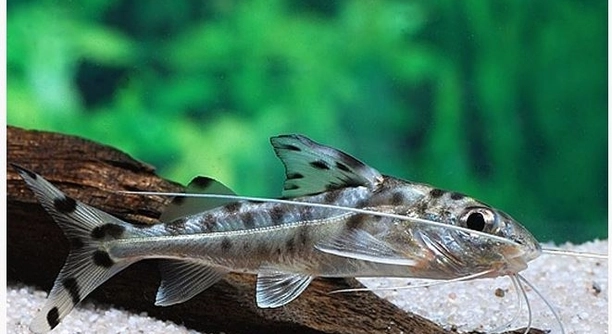
Do you enjoy keeping Pictus Catfish in your aquarium and wonder about their preferred water depth? These lively fish are popular among hobbyists for their active behavior and striking appearance. Understanding their habitat needs can help keep them healthy.
Pictus Catfish generally prefer mid to shallow water levels rather than deep water. They thrive where there is enough space to swim near the surface and some hiding spots below, balancing safety and exploration.
Knowing where Pictus Catfish feel most comfortable will help you create a better home for them. This article will explain their water depth preferences clearly.
Understanding Pictus Catfish Natural Habitat
Pictus Catfish are native to the rivers and streams of Southeast Asia, where water depth varies but often stays shallow to moderate. In these natural environments, they swim actively near the riverbed and mid-level waters. The shallow waters offer plenty of food and hiding places like plants, rocks, and submerged roots. These spots help them avoid predators while still exploring their surroundings. They rarely venture into very deep water, as their body shape and behavior suit shallower areas better. Keeping their tank similar to these natural conditions helps them feel safe and behave naturally. This means providing an aquarium with open swimming space near the top and middle, plus shaded areas closer to the bottom. Proper water flow and oxygen levels also play important roles, mimicking the gentle currents of their rivers. Replicating these conditions leads to a healthier and more active Pictus Catfish.
They prefer environments that offer a balance between open swimming and places to hide.
Creating an aquarium that matches their natural habitat supports their health and happiness. Using plants and decorations to provide shallow hiding spots will encourage their natural behavior. Avoiding deep, empty spaces in the tank prevents stress and promotes activity. The right setup also helps with water quality and oxygen, which these fish need to thrive. Keeping the water depth moderate ensures your Pictus Catfish stay comfortable and active, showing their playful and curious nature.
Water Depth and Tank Setup for Pictus Catfish
Pictus Catfish do best in tanks where the water depth is moderate, usually between 12 and 18 inches. This depth allows them to swim freely but still find shelter near the bottom. Deep tanks can make them feel exposed and stressed because they prefer to stay near the middle or top layers. Shallow tanks, under 10 inches, might limit their swimming space and cause discomfort. It’s important to create a well-balanced environment that includes open areas for movement and places with plants or rocks for hiding. Adding gentle water flow will also help mimic their natural surroundings.
A moderate water depth creates the best living space for Pictus Catfish.
When setting up a tank, start with a good substrate like fine gravel or sand, which is gentle on their barbels. Include plenty of plants, driftwood, or caves to provide hiding spots and reduce stress. Avoid overcrowding the tank to give them enough space to swim comfortably. Maintain water temperature around 74-79°F and keep the pH near neutral for ideal conditions. Regular water changes and proper filtration will keep the environment clean and healthy. Paying attention to water depth along with these factors makes sure your Pictus Catfish can thrive, showing their natural energetic behavior without stress or discomfort.
Signs Your Pictus Catfish Are Uncomfortable
If your Pictus Catfish spends most of its time hiding or stays motionless at the bottom, it could mean discomfort. Sudden changes in swimming patterns or loss of appetite are also warning signs.
Pictus Catfish that feel stressed by their environment may stop exploring and become less active. They might hide excessively or avoid open areas. These behaviors often indicate that the water depth or tank setup isn’t right for them. Pay close attention to how often they swim near the surface or mid-level waters, as they prefer these areas. Too deep or too shallow water can cause discomfort, so adjusting tank conditions can improve their behavior and overall health.
Consistent signs of stress should prompt a review of tank depth, water quality, and available hiding spots. Small changes like adding plants or adjusting water levels can make a big difference. Observing your catfish closely helps you respond quickly to their needs.
Ideal Tank Mates for Pictus Catfish
Choosing tank mates for Pictus Catfish requires selecting peaceful species that occupy different tank areas. They do well with small to medium-sized fish that swim mainly in upper or mid-level waters.
Avoid aggressive or overly territorial fish that may intimidate or harm Pictus Catfish. Bottom dwellers with similar peaceful behavior make good companions, as they usually keep to themselves. Fast swimmers can coexist if they don’t disturb the catfish. Proper tank size and hiding spots help reduce stress and keep all fish comfortable. Compatibility depends on maintaining balanced water conditions and providing enough space for each species. Following these guidelines creates a peaceful aquarium environment that supports your Pictus Catfish’s natural behavior and well-being.
Feeding Habits and Water Depth
Pictus Catfish usually feed near the bottom or mid-levels of the tank. They rely on their barbels to find food in the substrate, making the water depth important for easy access.
In shallower water, food stays within their reach without much effort. Deep water can make feeding harder and stressful.
Lighting Preferences
Pictus Catfish prefer dim or moderate lighting. Too bright light can make them shy or hide more often. Soft lighting helps them feel safe and encourages natural activity.
Maintaining Clean Water
Keeping water clean is crucial for Pictus Catfish health. Regular water changes and proper filtration reduce toxins and maintain oxygen levels. Clean water supports their natural behavior and keeps them active.
FAQ
Do Pictus Catfish need deep water to be healthy?
No, Pictus Catfish do not require deep water to stay healthy. They thrive in tanks with moderate water depth, typically between 12 and 18 inches. This depth allows them enough space to swim freely while still feeling secure near the bottom or mid-level areas. Deep water can make them feel exposed and stressed, which may affect their behavior and health negatively.
Can Pictus Catfish live in very shallow tanks?
While Pictus Catfish can survive in shallower tanks, water depths less than 10 inches can limit their swimming space. They are active swimmers and need room to move comfortably. Shallow tanks might cause stress because these fish prefer a balance of open water and hiding spots. Proper tank depth ensures they stay active and healthy.
How important are hiding spots for Pictus Catfish?
Hiding spots are very important for Pictus Catfish. These fish like to explore but also need places to retreat when they feel threatened or want to rest. Plants, caves, and driftwood provide safe areas that reduce stress and mimic their natural habitat. Without adequate hiding places, they may become shy or stressed.
What type of substrate is best for Pictus Catfish?
Fine gravel or soft sand works best as a substrate for Pictus Catfish. Their barbels are sensitive and can be damaged by rough or sharp substrates. Soft substrates also help them search for food more easily. Avoid sharp or coarse gravel to keep their barbels healthy.
How often should I change the water in a tank with Pictus Catfish?
Changing about 20-30% of the water weekly is recommended to maintain good water quality. Regular water changes help remove waste and toxins, keeping the environment clean and oxygen-rich. Clean water supports their immune system and natural activity.
Are Pictus Catfish compatible with other fish?
Yes, they are compatible with peaceful fish that swim at different tank levels. Avoid aggressive or very territorial species. Bottom dwellers with calm behavior or mid-to-top swimmers that do not bother them make good tank mates. Adequate space and hiding spots improve harmony.
Do Pictus Catfish prefer warm or cool water?
Pictus Catfish prefer warm water between 74°F and 79°F. Temperatures outside this range can cause stress or illness. Keeping water temperature stable and within their preferred range supports their immune system and activity levels.
How much light do Pictus Catfish need?
They prefer dim or moderate lighting because bright light can stress them. Soft lighting mimics their natural habitat and encourages them to be active and comfortable in the tank. Strong light may cause them to hide more often.
Can Pictus Catfish jump out of the tank?
Yes, Pictus Catfish are known to jump occasionally, especially if startled or uncomfortable. It is important to have a secure lid on the aquarium to prevent them from escaping and getting injured.
What should I feed Pictus Catfish?
They eat a variety of foods, including sinking pellets, frozen or live foods like bloodworms and brine shrimp. Feeding them at the bottom or mid-level ensures they get enough nutrition. Variety in diet helps keep them healthy and active.
How big do Pictus Catfish grow?
Pictus Catfish usually grow up to 4 to 5 inches long. They need enough tank space to accommodate their size and active swimming behavior. A tank size of at least 30 gallons is recommended for a small group.
Why is my Pictus Catfish hiding all the time?
Hiding constantly can be a sign of stress, poor water quality, or unsuitable tank conditions like improper water depth or bright lighting. Check water parameters, adjust lighting, and provide enough hiding spots to help them feel safe.
Do Pictus Catfish need a strong water current?
They prefer gentle water flow similar to their natural rivers and streams. Strong currents can tire them out and cause stress. Adjust your filter or use water flow control to create a mild current in the tank.
How long do Pictus Catfish live?
With proper care, Pictus Catfish can live 5 to 8 years in captivity. Good water quality, appropriate tank conditions, and a balanced diet contribute to their longevity.
Is it normal for Pictus Catfish to be active at night?
Yes, they are mostly nocturnal but can be active during the day if the environment feels safe. They tend to explore more in low light or during feeding times. Their activity level depends on tank conditions and lighting.
Can Pictus Catfish tolerate changes in water parameters?
They are somewhat sensitive to sudden changes in water temperature, pH, or hardness. Gradual adjustments and stable conditions are important to prevent stress and illness.
These FAQs cover key points about caring for Pictus Catfish and ensuring their comfort in your aquarium. Keeping their needs in mind helps create a healthy and balanced environment where they can thrive.
Pictus Catfish are lively and interesting fish that bring energy to an aquarium. Knowing their preference for moderate water depth helps provide the best environment for them. They do not need very deep water to be healthy, but they do need enough space to swim comfortably near the middle and top levels of the tank. A tank with water depth between 12 and 18 inches is ideal. This setup supports their natural behavior and keeps them feeling safe. Shallow water can limit their movement, while very deep water may cause stress. It’s important to find the right balance so your catfish can swim freely but still find shelter when needed.
Besides water depth, other factors play a role in keeping Pictus Catfish happy. They need clean water with good oxygen levels, which means regular water changes and proper filtration are essential. Adding hiding spots like plants, caves, or driftwood helps them feel secure. These spots offer refuge and reduce stress, making your catfish more active and healthy. Lighting also matters; soft or dim light works best since bright lights can make them shy or cause them to hide more often. Feeding should be done near the bottom or middle of the tank to match their natural habits. Using a varied diet, including sinking pellets and frozen foods, will keep them nourished.
Keeping Pictus Catfish comfortable requires attention to several simple details. Watching how they behave gives clues about their comfort level—if they hide too much or stop eating, something may need to change. Tank mates should be peaceful and not aggressive to avoid stress. Maintaining stable water temperature, between 74°F and 79°F, and stable water parameters is also important. A secure lid on the tank is necessary because these catfish can jump. By paying attention to these basic needs and the right water depth, you can enjoy the active and playful nature of Pictus Catfish for many years. They can be rewarding fish to keep when their environment suits them well.

Hello,
If you enjoy the content that we create, please consider saying a "Thank You!" by leaving a tip.
Every little bit helps us continue crafting quality advice that supports the health, happiness, and well-being of pets around the world, for pets of all shapes, sizes, and species.
We really appreciate the kindness and support that you show us!