
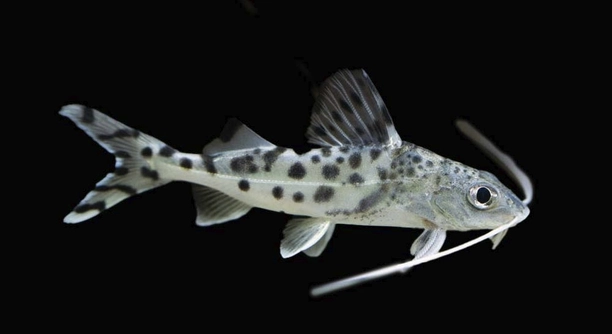
Uneven swimming in Pictus catfish is a common concern among fishkeepers. These small, active fish usually swim smoothly, so noticing irregular movements can be worrying. Understanding the causes helps in providing better care for these aquatic pets.
Uneven swimming in Pictus catfish is primarily caused by factors such as swim bladder disorders, water quality issues, infections, physical injuries, poor diet, stress, and environmental changes. Each factor affects the fish’s balance and movement in distinct ways.
Identifying these causes early can improve your catfish’s health and swimming behavior, making your aquarium a more harmonious environment for all its inhabitants.
Swim Bladder Disorders
Swim bladder problems are a leading cause of uneven swimming in Pictus catfish. The swim bladder helps fish control their buoyancy, so when it’s damaged or infected, they struggle to stay balanced. This can happen due to constipation, infections, or physical injury. In some cases, overfeeding or feeding inappropriate foods can cause constipation, which puts pressure on the swim bladder. Symptoms include floating upside down, sinking to the bottom, or swimming sideways. Treating swim bladder disorders involves improving water quality, adjusting diet, and sometimes using medication prescribed by an aquatic vet. Keeping the tank clean and feeding a balanced diet can help prevent these issues.
Swim bladder disorders are often treatable if caught early, making prompt action important.
Regular monitoring of your catfish’s behavior and environment helps keep swim bladder health in check, ensuring your fish stays active and balanced.
Water Quality Issues
Poor water quality stresses Pictus catfish and can cause uneven swimming. High ammonia, nitrite, or nitrate levels damage their delicate systems. Frequent water changes and testing are vital to maintaining safe water parameters. Filtration also plays a key role in removing waste and toxins. If water conditions decline, fish may show erratic swimming or lethargy. Even sudden changes in temperature or pH can impact their movement. Maintaining stable, clean water creates a healthier environment that supports normal swimming behavior. Regular maintenance helps avoid these issues and keeps your catfish comfortable and active for longer periods.
Infections and Parasites
Infections and parasites can cause Pictus catfish to swim unevenly. These issues affect the fish’s nervous system or muscles, disrupting normal movement.
Bacterial and fungal infections are common in aquariums with poor water quality. Parasites like ich or flukes attach to the fish’s body, causing discomfort and imbalance. Symptoms include flashing (rubbing against surfaces), lethargy, and visible spots or lesions. Treatment usually involves medicated baths, antibiotics, or antiparasitic drugs. Quarantining new fish before adding them to the main tank reduces the risk of infections spreading. Maintaining a clean tank and monitoring water conditions can help prevent these problems.
Early detection and treatment are key to restoring your catfish’s health. Ignoring signs of infection can lead to serious complications and affect other tank inhabitants.
Physical Injuries
Physical injuries from tank decorations, other fish, or handling can impair swimming. Sharp edges or aggressive tank mates may cause wounds or damage to fins.
Damaged fins or scales reduce swimming efficiency and balance. Injuries may also introduce infections if not treated promptly. Observe your aquarium setup to ensure there are no hazards, and choose tank mates carefully. If your Pictus catfish shows signs of injury, isolate it to prevent further harm and support recovery. Applying aquarium salt or medications recommended by professionals can speed healing. A gentle environment with minimal stress helps injured fish regain normal swimming faster. Taking simple precautions helps avoid these problems and keeps your fish healthy.
Poor Diet
A poor diet can lead to nutritional deficiencies that affect swimming. Feeding only flakes or low-quality food may lack essential nutrients.
Including a variety of foods like sinking pellets, live or frozen bloodworms, and vegetables supports better health. Balanced nutrition improves energy and muscle function, helping your Pictus catfish swim properly.
Stress
Stress from overcrowding, sudden changes, or aggressive tank mates affects swimming behavior. Stress weakens the immune system, making fish more vulnerable to illness.
Providing enough space, stable conditions, and compatible tank mates reduces stress. A calm environment encourages normal swimming and overall well-being in your catfish.
Environmental Changes
Sudden changes in temperature or water parameters can cause swimming issues. Pictus catfish need stable, suitable water conditions to thrive.
Why is my Pictus catfish swimming unevenly?
Uneven swimming in Pictus catfish usually points to health or environmental problems. Swim bladder disorders are common, affecting balance and buoyancy. Poor water quality, infections, parasites, and stress can also cause erratic movements. Injuries from tank decorations or other fish can impair swimming as well. Identifying the exact cause requires close observation of your fish and tank conditions.
How can I tell if my Pictus catfish has a swim bladder issue?
Signs include floating upside down, sinking to the bottom, or swimming sideways. Your fish might also struggle to maintain its position or look bloated. Swim bladder problems often follow overfeeding or constipation. If you notice these symptoms, try adjusting the diet and monitor water quality closely. In some cases, medication or veterinary advice is needed.
What should I do if water quality is poor?
Test your aquarium regularly for ammonia, nitrites, nitrates, and pH levels. Perform partial water changes to reduce toxins and improve conditions. Make sure your filter is working well and clean it if necessary. Keeping the water stable and clean is essential to prevent stress and illness in your catfish.
Can parasites cause uneven swimming?
Yes, parasites like ich or flukes irritate your fish and can affect swimming. They attach to the skin or gills, causing discomfort and imbalance. Look for white spots, flashing behavior, or scratching against objects. Treat with antiparasitic medications and quarantine new fish to stop spreading.
Is diet really important for swimming health?
Absolutely. A poor diet can cause constipation and swim bladder issues. Feeding a variety of foods, including pellets, frozen bloodworms, and vegetables, ensures your catfish gets needed nutrients. Avoid overfeeding and remove uneaten food to keep the tank clean.
What role does stress play in swimming problems?
Stress weakens your catfish’s immune system, making it vulnerable to infections and behavioral changes. Causes include overcrowding, aggressive tank mates, and sudden environmental changes. Reduce stress by providing ample space, calm surroundings, and stable water conditions.
How do injuries affect swimming?
Injuries to fins or scales from sharp decorations or fighting can reduce swimming efficiency. Damaged fins make balancing difficult, and open wounds may lead to infections. Removing hazards and isolating injured fish can promote healing and restore normal swimming.
When should I consult a vet?
If uneven swimming persists despite correcting diet, water quality, and tank conditions, a vet’s advice is important. Serious infections, swim bladder disorders, or parasites may require professional treatment. Early consultation helps prevent worsening health issues.
Can environmental changes cause swimming problems?
Yes, sudden shifts in temperature or water chemistry stress your fish and disrupt normal behavior. Pictus catfish thrive in stable environments, so keep temperature and parameters consistent to avoid swimming irregularities.
How often should I check my tank conditions?
Regular testing is best, ideally once a week, to catch problems early. Keeping water parameters stable prevents many health issues related to uneven swimming. Routine maintenance makes a big difference in your catfish’s well-being.
Uneven swimming in Pictus catfish can be a sign of several different issues, ranging from health problems to environmental factors. Understanding the common causes, like swim bladder disorders, poor water quality, infections, or stress, helps in identifying the right steps to take. Taking care of these factors early can prevent more serious complications and improve the fish’s quality of life. Paying close attention to your catfish’s behavior and surroundings is important in catching problems before they worsen.
Maintaining a balanced diet and stable tank conditions plays a major role in keeping your Pictus catfish swimming smoothly. Feeding a variety of foods that meet their nutritional needs supports their overall health and helps avoid constipation and related swim bladder problems. Regular water testing, cleaning, and proper filtration create a safe environment where your fish can thrive. Avoiding overcrowding and aggressive tank mates also reduces stress, which contributes to better swimming behavior.
If your Pictus catfish shows signs of injury, infection, or persistent swimming difficulties, acting quickly is key. Treating infections and parasites early can save your fish from long-term damage. Sometimes, professional advice from an aquatic veterinarian is needed to provide the right treatment. Overall, paying attention to the small details of tank care and fish health can make a big difference. Keeping these practices in mind will help your Pictus catfish live a healthy and active life.

Hello,
If you enjoy the content that we create, please consider saying a "Thank You!" by leaving a tip.
Every little bit helps us continue crafting quality advice that supports the health, happiness, and well-being of pets around the world, for pets of all shapes, sizes, and species.
We really appreciate the kindness and support that you show us!