
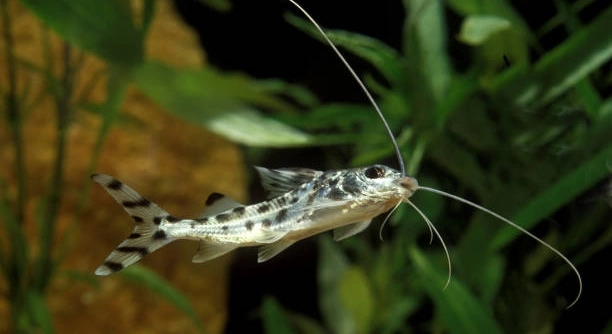
Have you ever looked at your pictus catfish tank and felt like something was missing, even though everything seems fine on the surface?
Adding the right elements to a pictus tank helps recreate a natural environment, supports healthy behavior, and reduces stress. These additions also enhance the tank’s visual appeal while improving water quality and offering necessary stimulation for active, nocturnal fish.
Each item on this list can make a real difference in how your pictus catfish interact with their surroundings and stay healthy.
Add Driftwood for Hiding and Comfort
Pictus catfish are naturally shy and prefer places where they can hide and rest during the day. Adding driftwood to the tank helps mimic their natural river habitat, offering shelter and comfort. Driftwood also releases tannins, which slightly lower pH and soften the water—something these fish appreciate. It provides visual barriers, reducing stress and helping them feel more secure. Driftwood also supports beneficial bacteria growth, which plays a role in maintaining stable water quality. Choose smooth, aquarium-safe pieces that won’t injure your catfish as they explore. Make sure to soak new driftwood in water to remove excess tannins before placing it in the tank. Anchor it securely to avoid shifting, especially since pictus catfish are active swimmers. Keeping things steady helps prevent injuries and keeps your setup safe and functional. Overall, driftwood adds structure, a sense of safety, and small hiding spots that your pictus catfish will use regularly.
Try positioning driftwood at angles, allowing natural caves and shaded areas to form in different parts of the tank.
Avoid overly large pieces that dominate the space or block water flow. Smaller, curved pieces can create layered shelter zones without overwhelming the layout. These zones also break up line of sight and encourage healthy activity.
Use Fine Sand Substrate
Pictus catfish spend much of their time close to the bottom of the tank, searching for food. Fine sand is gentle on their sensitive barbels and mimics their natural environment, making it an ideal substrate.
Gravel can irritate their barbels or trap uneaten food, leading to water quality issues. Fine sand, on the other hand, is easier to clean and allows natural foraging behaviors. It supports a cleaner tank overall, especially when combined with proper filtration. Look for aquarium-safe sand that doesn’t cloud water or contain additives. Rinse the sand thoroughly before use to avoid cloudy water. Once settled, the sand gives your tank a more natural look while helping your pictus feel more comfortable and safe. In addition, some beneficial bacteria colonize the sand’s surface, further supporting water stability. This small change can have a positive impact on your tank’s balance and your catfish’s comfort.
Include Live Plants for Natural Balance
Live plants help stabilize water conditions and offer natural cover, which benefits your pictus catfish. They absorb excess nutrients, reduce algae, and provide gentle movement that adds interest to the tank.
Choose hardy plants like Java fern, Anubias, or Amazon swords that can thrive in low to moderate lighting. These plants don’t require intense care and will attach easily to rocks or driftwood. Live plants soften the look of the aquarium and reduce light stress, especially for nocturnal fish like the pictus. They also promote oxygen exchange and provide natural enrichment, encouraging your fish to interact with their surroundings more actively. When planting, leave open swimming areas so your pictus have room to move. Secure plants well so they’re not uprooted during feeding or activity. A balanced layout with both cover and open zones will support a healthier and more engaging environment.
Avoid delicate or slow-growing plants, as pictus catfish may accidentally uproot them while exploring the substrate. Stick to sturdy types with strong roots or rhizomes that can tolerate occasional disturbance. Plant placement also matters—grouping plants in corners or along the tank’s back wall helps create depth and leaves space for swimming. With the right balance, your tank stays clean and your fish remain stress-free.
Add Rock Caves and PVC Tubes
Rock caves and PVC tubes provide secure hiding spots that help reduce stress in pictus catfish. These structures simulate the cracks and crevices found in natural environments and offer a place to retreat during the day.
Use smooth stones or stackable slate to form stable caves that won’t shift. Make sure the openings are large enough for your fish to enter easily but small enough to feel sheltered. PVC tubes are another simple option—they’re easy to clean, inexpensive, and safe if properly sanded and sealed. Hide them beneath plants or behind driftwood to keep the tank looking natural. Position all structures on the tank bottom before adding substrate to prevent collapse. Vary the number and placement of caves to give fish options and reduce territorial behavior. Adding these hiding places creates a safer and more natural home, supporting the active and reclusive behaviors of pictus catfish.
Install a Gentle Powerhead
A powerhead helps mimic river-like conditions by creating steady water flow, which pictus catfish enjoy. It encourages swimming and supports oxygen exchange while preventing stagnant areas where debris can build up.
Choose a low-flow model to avoid stressing your fish. Direct the current along the back wall to maintain open swimming space.
Add Floating Plants for Shade
Floating plants soften lighting and help your pictus catfish feel secure. Dimmer light reduces stress and encourages more natural behavior.
Use plants like water lettuce or frogbit. They’re easy to manage and provide gentle cover without blocking airflow or filter function.
Include Leaf Litter or Catappa Leaves
Leaf litter adds tannins to the water, creating a more natural, slightly acidic environment. It supports soft water conditions and provides extra hiding spaces on the substrate.
Use dried Indian almond leaves or other aquarium-safe options. Replace them regularly to maintain water quality and appearance.
FAQ
Can pictus catfish live alone, or do they need companions?
Pictus catfish are social fish that feel more secure in groups. While they can survive alone, they often become stressed or overly reclusive without tankmates of their own kind. A small group of three or more helps reduce stress and encourages natural behavior. When kept together, pictus catfish are more active and explore their tank more freely. Just be sure the tank is large enough to support multiple fish, as these are fast swimmers that need plenty of space.
What is the ideal tank size for pictus catfish?
A single pictus catfish needs at least a 55-gallon tank due to its active swimming style and potential adult size of 5 inches or more. If you’re keeping them in a group, a tank of 75 gallons or larger is best. Long tanks are preferable to tall ones, as they offer more horizontal swimming space. Adequate tank size helps prevent territorial behavior and supports better water quality by giving waste more room to dilute.
Do pictus catfish eat plants or tank mates?
Pictus catfish do not eat live plants, so your aquatic vegetation is safe. However, they are opportunistic feeders and will eat small fish that can fit in their mouths, especially at night. Avoid housing them with small tetras, guppies, or other bite-sized species. Stick to tank mates that are at least as large as the pictus or faster swimmers that can coexist peacefully in the same environment.
What kind of food should I feed my pictus catfish?
Pictus catfish are omnivorous bottom feeders that enjoy a mix of high-protein sinking pellets, frozen bloodworms, brine shrimp, and occasional vegetables like blanched zucchini. Feed them once or twice daily and avoid overfeeding, as they may eat excessively if given the chance. Since they are nocturnal, feeding at dusk or after lights go out is a good way to ensure they’re eating enough. A varied diet helps keep them active and in good condition.
Do they need special lighting or temperature settings?
Pictus catfish prefer subdued lighting, which is why floating plants and shaded areas help them feel comfortable. Bright lights may cause stress or keep them hiding more than usual. As for temperature, they do well in water between 75°F and 81°F. Stability is key—sudden drops or increases in temperature can cause illness. Use a reliable heater and thermometer to maintain a consistent environment.
Can I keep pictus catfish with cichlids or other aggressive fish?
It’s best to avoid aggressive tank mates. While pictus catfish are fast and usually stay out of trouble, they can become stressed or injured if housed with overly territorial or aggressive fish. Peaceful cichlids like keyholes or some species of geophagus may work, but avoid larger, aggressive ones like oscars or Jack Dempseys. Community fish with similar water needs and calm behavior are better companions.
How often should I clean a pictus tank?
Perform regular maintenance to keep the tank healthy. This includes weekly water changes of 20–30%, gravel vacuuming to remove waste, and filter maintenance monthly or as needed. Pictus catfish are sensitive to poor water quality, so regular cleaning is essential. Keep an eye on water parameters using a test kit and adjust as necessary. Clean decor and replace leaf litter or plant debris to prevent buildup and ensure a clean environment.
Final Thoughts
Creating a comfortable and healthy tank for your pictus catfish is not difficult when you understand their needs. These fish are active, curious, and enjoy having places to hide and explore. Adding items like driftwood, fine sand, rock caves, and live plants helps provide both comfort and stimulation. Each piece you add plays a role in shaping the tank’s balance. Soft lighting, natural shade, and gentle water movement mimic the rivers they come from. Small changes, like adding floating plants or adjusting water flow with a powerhead, can help reduce stress and make your fish feel more secure. A well-planned tank layout supports their daily habits and improves their overall well-being.
Feeding them a balanced diet, keeping their water clean, and offering hiding spots all work together to keep your pictus catfish healthy and active. It’s also helpful to keep them in small groups since they’re more confident when they’re not alone. Choosing peaceful tank mates and giving them plenty of swimming space prevents stress and injury. Routine care, such as water changes and filter checks, helps maintain a stable environment. When the tank is clean and stable, these fish are more likely to show their natural behavior—swimming quickly, exploring every corner, and resting in their favorite hiding places during the day.
Everything you add to the tank should serve a purpose. Whether it’s for shelter, decoration, or water quality, the goal is to build a space that supports their health and keeps them active. Each tank is a little different, and sometimes small adjustments can make a big difference. Watching how your fish interact with their space can help you decide what changes are needed. Over time, you’ll learn what works best for your setup. A well-maintained tank helps your pictus catfish live a longer, healthier life. By putting care into their environment, you give them the comfort and stability they need to thrive.

Hello,
If you enjoy the content that we create, please consider saying a "Thank You!" by leaving a tip.
Every little bit helps us continue crafting quality advice that supports the health, happiness, and well-being of pets around the world, for pets of all shapes, sizes, and species.
We really appreciate the kindness and support that you show us!