
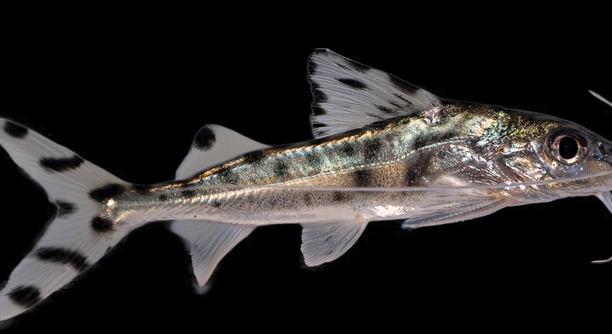
Pictus catfish are popular freshwater fish loved for their active behavior and unique spots. Many aquarium owners enjoy keeping them in community tanks because they are peaceful and interesting to watch. Their care needs are fairly simple but important to understand.
Pictus catfish can survive in cooler rooms if the temperature stays above 72°F (22°C). Temperatures below this range may cause stress and health problems, so maintaining stable and appropriate water conditions is essential for their well-being.
Knowing the ideal environment for pictus catfish helps ensure they stay healthy and active in your home aquarium. This article will explain how room temperature affects them and what you can do to provide the best care.
Understanding Pictus Catfish Temperature Needs
Pictus catfish naturally come from warm freshwater rivers in Southeast Asia. Their preferred temperature range is between 75°F and 82°F (24°C to 28°C). When kept in temperatures cooler than this, their metabolism slows down. This can make them less active and more vulnerable to disease. If your room tends to stay cool, especially below 72°F (22°C), it is important to monitor the water temperature closely. Using a reliable aquarium heater can help maintain a steady temperature. Sudden drops or fluctuations can cause stress, leading to weakened immune systems. Because these fish like to be active swimmers, cooler temperatures may cause them to hide more or stop eating regularly. Proper filtration and clean water also help keep them healthy, especially when the temperature is not ideal. Keeping the water temperature stable is one of the simplest ways to ensure your pictus catfish live comfortably.
Stable temperatures are crucial for maintaining the health of pictus catfish in home aquariums.
When you keep your pictus catfish in a room that is cooler than their ideal temperature range, adding an aquarium heater is the best solution. This device helps maintain a consistent temperature, which reduces stress and supports their natural behavior. If a heater isn’t an option, consider placing the tank in a warmer part of your home. Avoid drafts or areas near windows where the temperature can change suddenly. Regularly check the water temperature with a thermometer to make sure it stays within the safe range. Remember, small changes over time are less harmful than rapid drops in temperature. By managing their environment carefully, you can enjoy watching your catfish remain active and healthy even if the room itself is cooler than ideal.
Effects of Cooler Rooms on Pictus Catfish Behavior
When pictus catfish experience cooler water, their behavior changes noticeably. They may become sluggish and less interested in swimming around the tank. Feeding habits often slow down, which can be a concern for their nutrition. Cooler temperatures also make it harder for them to fight off infections. This is why keeping the water warm enough is essential. Even though they might survive short periods of cooler water, long-term exposure can cause health issues. Monitoring their activity and appetite can give early clues about temperature-related stress. If you notice your catfish hiding more or not eating well, it might be time to check the temperature. Acting quickly can prevent illnesses and keep them comfortable in their home.
Keeping your aquarium at a steady, suitable temperature supports the natural behaviors of pictus catfish.
A cooler room can impact more than just their swimming habits. Pictus catfish use their energy to search for food and interact with tank mates. When temperatures drop, they conserve energy, leading to less movement and curiosity. This change might make the tank seem quieter or less lively, which can be disappointing. Additionally, cooler water holds less oxygen, which can further stress your fish. It is important to create an environment that balances temperature, oxygen levels, and cleanliness. Regular water testing and maintenance will help maintain the ideal conditions. If the room cannot be warmed sufficiently, consider adjusting your aquarium setup to compensate. Using heaters, increasing aeration, and ensuring good filtration will support your fish’s health. These steps will help your pictus catfish thrive even if the surrounding room feels cooler than their natural habitat.
Tips for Maintaining Temperature in Cooler Rooms
Using an aquarium heater is the easiest way to keep water warm in cooler rooms. A good quality heater with a thermostat ensures stable temperature without overheating. Position it near water flow for even heat distribution.
When choosing a heater, select one rated for your tank size. A heater too small will struggle to maintain warmth, while a larger one can cause temperature swings. It’s important to monitor the temperature regularly with an aquarium thermometer. Place the thermometer opposite the heater to check consistency. Insulating the tank with foam or a cover can help retain heat, especially at night. Avoid placing the tank near drafty windows or air conditioners to prevent sudden cooling. These simple adjustments create a more comfortable space for your pictus catfish.
Water circulation is also important to prevent cold spots in the tank. Using a filter or air stone promotes even temperature and oxygen flow. In cooler rooms, avoid large temperature changes when performing water changes by preparing new water at the right temperature. Gradual adjustment helps reduce stress for your fish. Keeping stable water conditions makes a big difference in the health and activity of pictus catfish.
Alternative Ways to Keep Pictus Catfish Comfortable
If using a heater isn’t possible, placing the aquarium in the warmest part of your home can help. Avoid basements or rooms with poor insulation, which tend to be colder.
Adding live plants and decorations provides shelter and reduces stress by offering hiding places. Some plants also help maintain water quality, which supports fish health. Increasing aeration with an air pump improves oxygen levels, especially in cooler water where oxygen can be lower. Feeding your pictus catfish high-quality food supports their immune system when they are less active. Keep feeding amounts small but frequent to avoid water pollution. These adjustments help your fish cope with cooler environments and stay healthy without relying solely on heaters.
Recognizing Signs of Cold Stress
Pictus catfish showing cold stress may become lethargic and hide more than usual. Loss of appetite and slow movements are common signs to watch for.
Watch for unusual color changes or clamped fins. These symptoms often indicate the fish is uncomfortable and may need warmer water or better tank conditions.
Adjusting Feeding Habits in Cooler Temperatures
In cooler water, pictus catfish digest food more slowly, so feeding smaller portions is better. Overfeeding can pollute the tank and harm water quality. Offering food less frequently helps avoid waste buildup and supports their slower metabolism during cooler periods.
Preparing for Seasonal Temperature Changes
Seasonal changes can cause room temperatures to drop unexpectedly. Keeping a backup heater or temperature controller ready can prevent sudden stress for your fish. Regularly monitoring the tank temperature helps you react quickly to keep their environment stable.
Using Thermometers Effectively
Place your aquarium thermometer where you can easily check it daily. Consistent temperature readings help you catch any drops early and maintain a healthy tank environment for your pictus catfish.
FAQ
Can pictus catfish survive in temperatures below 70°F (21°C)?
Pictus catfish can survive for short periods below 70°F, but it is not ideal. Prolonged exposure to cooler temperatures can weaken their immune system and cause stress. This may lead to illness or reduced activity. It’s important to keep their water temperature within the 72°F to 82°F range for best health.
What is the best way to heat an aquarium in a cool room?
The most effective way is to use an aquarium heater with a built-in thermostat. This ensures the water temperature stays stable without overheating. Place the heater near the filter outlet or water flow to distribute heat evenly. It’s also helpful to insulate the tank with foam or a cover to reduce heat loss.
How often should I check the temperature of my pictus catfish tank?
Daily temperature checks are recommended, especially in cooler rooms or during seasonal changes. Using a reliable aquarium thermometer helps you quickly spot temperature drops. Regular monitoring prevents sudden changes that can stress the fish and affect their health.
Can I keep pictus catfish in an unheated tank if the room temperature is around 68°F (20°C)?
Keeping pictus catfish in unheated water at 68°F is risky. The temperature is below their preferred range and can slow their metabolism. They may become inactive and prone to disease. If heating isn’t possible, try to place the tank in the warmest part of your home and use plants or decorations to provide shelter.
What are signs my pictus catfish is too cold?
Common signs include reduced movement, hiding more often, loss of appetite, clamped fins, and faded colors. They may also show slower breathing or less interest in their surroundings. These signs suggest the water temperature is too low and action is needed to warm the tank.
Does cooler water affect the oxygen levels in the tank?
Cooler water generally holds more oxygen than warm water, but lower fish activity and slower water circulation can reduce oxygen availability. It’s important to maintain good aeration and water movement in a cool tank to keep oxygen levels healthy for your pictus catfish.
Is it okay if the temperature fluctuates a few degrees during the day?
Small fluctuations of 1–2 degrees are usually tolerable if they happen gradually. Rapid or large temperature swings can cause stress and illness. Using a heater with a thermostat and avoiding drafts helps minimize these changes, creating a more stable environment for your fish.
What should I do if my pictus catfish stops eating in cooler temperatures?
If your fish stops eating, check the water temperature first. If it’s below 72°F, warming the tank gradually may help. Offer small amounts of food and avoid overfeeding. Sometimes fish slow down their appetite in cooler water, but prolonged refusal to eat needs attention.
Can pictus catfish adapt to cooler temperatures over time?
They have limited ability to adapt to cooler water. While they might survive mild drops in temperature for short periods, long-term exposure to cooler water is harmful. It’s best to maintain stable, warm water close to their natural habitat range.
Are there any other fish that tolerate cooler water better than pictus catfish?
Yes, some species like zebra danios or white cloud mountain minnows tolerate cooler water better. These fish can live comfortably in temperatures below 70°F. If you have a cooler room, you might consider these species instead or alongside your pictus catfish, with proper care.
Pictus catfish are beautiful and lively fish that many people enjoy keeping in their home aquariums. They do best in warm water, ideally between 75°F and 82°F. When the temperature drops below their preferred range, it can affect their health and behavior. Cooler rooms can make it harder to keep the water warm enough for these fish. However, with some care and attention, it is possible to help them stay comfortable even when the room temperature is lower than ideal. Using a heater, monitoring the water temperature regularly, and adjusting their environment can make a big difference in how well they do.
It’s important to remember that pictus catfish are sensitive to changes in temperature. Even small drops can cause stress, making them less active and more vulnerable to illness. Keeping the water temperature stable is one of the easiest ways to keep your fish healthy. If the room where your aquarium is placed tends to be cool, investing in a good aquarium heater is a smart choice. Other helpful steps include placing the tank away from drafts, insulating the tank, and using decorations and plants to create a comfortable space for your fish. Feeding them properly and making sure the water stays clean will also support their well-being in cooler conditions.
In the end, pictus catfish can survive in cooler rooms if you pay attention to their environment. They may not thrive as well in cooler water, but with proper care, they can stay healthy and active. Keeping an eye on their behavior and appetite helps you catch any issues early. If your fish seem stressed or less lively, checking the water temperature should be one of the first things you do. By making small changes and maintaining steady, warm water, you can enjoy watching your pictus catfish for many years, even if your home is not always warm.

Hello,
If you enjoy the content that we create, please consider saying a "Thank You!" by leaving a tip.
Every little bit helps us continue crafting quality advice that supports the health, happiness, and well-being of pets around the world, for pets of all shapes, sizes, and species.
We really appreciate the kindness and support that you show us!