
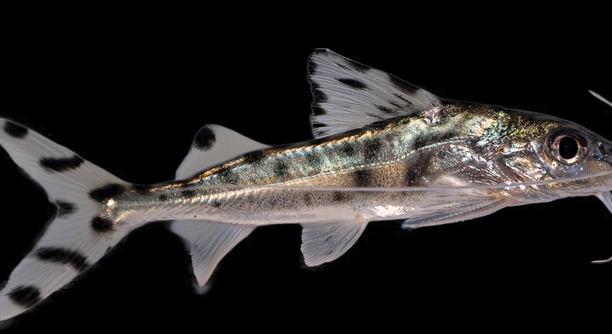
Keeping Pictus catfish healthy starts with choosing the right tank setup. These fish are active and peaceful, making them a great choice for beginners. A well-planned tank helps them thrive and feel comfortable in their environment.
The best beginner-friendly tanks for Pictus catfish are moderately sized, well-filtered, and include plenty of hiding spots. Proper water conditions, soft substrate, and gentle lighting create an ideal habitat that supports their natural behavior and health.
Understanding the basics of tank setup will make caring for Pictus catfish easier and more enjoyable for any new fishkeeper.
Choosing the Right Tank Size for Pictus Catfish
Pictus catfish are active swimmers that need space to move comfortably. A tank that is at least 30 gallons is recommended for a small group of these fish. Keeping them in a cramped tank can cause stress and reduce their lifespan. These fish grow up to 6 inches, so space is important for their well-being. A larger tank also helps maintain stable water conditions, which is essential for their health. Remember, a bigger tank means more room to add decorations, plants, and hiding spots. This variety creates a more natural environment and keeps the fish engaged. When selecting a tank, also think about the shape—longer tanks give more swimming space than tall ones. Balancing the tank size with your space availability is key. The right size will make a big difference in how your Pictus catfish thrive.
Keeping Pictus catfish in a tank smaller than 30 gallons can limit their growth and cause stress. Proper tank size supports their activity and health.
Tank size is a critical factor in keeping Pictus catfish happy. A 30-gallon or larger tank provides enough room for at least three fish, allowing them to swim freely. More space reduces territorial behavior and aggression. Additionally, it makes it easier to maintain water quality and temperature. With ample room, you can add soft substrates and plants that mimic their natural habitat. This also provides hiding spots where the fish can feel secure. Overcrowding should be avoided because it leads to poor water conditions and can cause illness. Investing in the right tank size from the start saves time and effort in the long run.
Setting Up Hiding Spots and Decorations
Pictus catfish appreciate places to hide and feel secure. Providing caves, driftwood, and plants helps reduce their stress. They tend to be shy during the day and become more active at night. Hiding spots allow them to rest without feeling exposed. Natural decorations also improve water quality by offering surfaces for beneficial bacteria. Choose smooth decorations to avoid injuries since Pictus catfish have delicate barbels. Live plants like Java fern or Anubias work well because they tolerate low light and help keep the water clean. Avoid sharp or rough decorations that could harm your fish. Arrange hiding spots evenly across the tank to give them choices. This setup not only benefits your catfish but makes the tank look more appealing and natural.
Including plenty of hiding places helps Pictus catfish feel safe and reduces their stress levels.
Decorations in the tank play a vital role in creating a comfortable home for your Pictus catfish. These fish rely on their sense of touch and prefer gentle surroundings. Driftwood and smooth rocks can add texture and shelter, while plants provide cover and improve oxygen levels. By mixing different types of decorations, you support their natural behaviors like exploring and resting. It’s important to clean decorations regularly to avoid buildup of harmful substances. With the right setup, your catfish will show more natural behavior and interact more with their environment. Thoughtful decoration placement can also reduce aggression between fish by offering separate territories. Taking time to design a balanced tank will make caring for Pictus catfish easier and more rewarding.
Maintaining Proper Water Conditions
Stable water conditions are essential for Pictus catfish health. They prefer temperatures between 72°F and 78°F and slightly acidic to neutral pH (6.5–7.5). Regular water changes keep the environment clean and prevent toxins from building up.
To keep the water stable, use a reliable heater and thermometer. Test the water weekly for ammonia, nitrites, and nitrates. Pictus catfish are sensitive to poor water quality, which can cause stress and disease. A good filtration system is necessary to keep water clear and oxygen-rich. Avoid sudden temperature changes by adjusting heaters gradually.
Regular water changes of 20-30% every week help maintain water quality. Use a siphon to remove debris from the substrate and reduce waste buildup. Clean filters monthly but avoid over-cleaning, which can remove helpful bacteria. This routine keeps the tank healthy and prevents common illnesses.
Feeding Your Pictus Catfish
Pictus catfish are omnivores with a preference for live or frozen foods like bloodworms and brine shrimp. High-quality sinking pellets designed for bottom feeders also work well to meet their dietary needs.
Feeding should be done once or twice daily, giving only what they can eat in a few minutes. Overfeeding causes water pollution and health problems. Supplement their diet occasionally with fresh vegetables like zucchini or cucumber. Offering variety supports their nutrition and encourages natural foraging behavior.
It’s important to feed at the bottom of the tank since Pictus catfish are bottom dwellers. Using sinking food prevents waste from floating and fouling the water. Observing their eating habits helps adjust portions and avoid leftover food. Healthy feeding practices contribute to longer, more active lives.
Choosing the Right Substrate
Pictus catfish prefer soft substrates like sand or fine gravel. Hard or sharp substrates can injure their sensitive barbels and cause stress.
A smooth substrate mimics their natural riverbed environment. It also makes it easier for them to forage for food without risk of damage.
Lighting Considerations for Pictus Catfish
Moderate to low lighting is best for Pictus catfish because they are nocturnal and prefer dim environments. Bright lights can stress them and cause hiding behavior.
Using floating plants or dimmable LED lights helps create shaded areas. This setup encourages natural activity and reduces stress, promoting a healthy tank environment.
Compatible Tank Mates for Pictus Catfish
Peaceful, similarly sized fish make good tank mates for Pictus catfish. Avoid aggressive or very small fish that might get bullied or eaten.
Choosing compatible species helps maintain a calm tank atmosphere and prevents conflicts that can harm your catfish.
FAQ
How often should I clean the tank for Pictus catfish?
Cleaning the tank regularly is important to keep your Pictus catfish healthy. Perform partial water changes of about 20-30% every week to remove waste and toxins. Clean the substrate with a siphon during water changes to get rid of leftover food and debris. Filters should be checked and rinsed monthly, but avoid washing them with tap water to preserve beneficial bacteria. Keeping a routine helps maintain stable water quality, which is key for your catfish’s well-being.
What type of food is best for Pictus catfish?
Pictus catfish do well on a varied diet. Sinking pellets made for bottom feeders are a good staple. Supplement their diet with live or frozen foods like bloodworms, brine shrimp, or daphnia to provide protein and encourage natural hunting behavior. Occasionally, you can add blanched vegetables like zucchini or cucumber to add fiber. Avoid overfeeding, as excess food can pollute the tank and harm water quality.
Can Pictus catfish live with other fish?
Yes, Pictus catfish are generally peaceful and can live with other peaceful fish of similar size. Good tank mates include tetras, gouramis, and rasboras. Avoid aggressive species or very small fish that could be harassed or eaten. Also, steer clear of slow-moving fish because Pictus catfish are active swimmers and might stress less active tank mates.
How big do Pictus catfish get?
Pictus catfish can grow up to about 6 inches (15 cm) in length. This means they need enough swimming space and room to explore in their tank. Choosing a tank that is at least 30 gallons ensures they have enough space to move and stay healthy.
What water parameters do Pictus catfish need?
They thrive in temperatures between 72°F and 78°F (22°C – 26°C). The pH should be slightly acidic to neutral, around 6.5 to 7.5. They prefer soft to moderately hard water. Stable water conditions are critical, so regular testing and maintenance are needed to avoid sudden changes that can cause stress or illness.
Do Pictus catfish need a special substrate?
Yes, a soft substrate like sand or fine gravel is best. Pictus catfish use their sensitive barbels to search for food along the bottom, so hard or sharp substrates can injure them. Smooth substrates also prevent stress and promote natural behavior.
Are Pictus catfish nocturnal?
Pictus catfish are mostly nocturnal and become more active at night. They may hide during the day to feel safe. Providing hiding spots and dim lighting will support their natural habits and reduce stress.
How often do Pictus catfish need to be fed?
Feed Pictus catfish once or twice daily with only what they can consume within a few minutes. Overfeeding can lead to poor water quality and health problems. Observing how much they eat helps adjust portions correctly.
Can Pictus catfish jump out of the tank?
Yes, Pictus catfish are known jumpers. It’s important to keep a tight-fitting lid on the tank to prevent escapes. Make sure the lid allows for air circulation but prevents the fish from jumping out.
What signs show that my Pictus catfish is stressed or sick?
Signs include hiding more than usual, loss of appetite, clamped fins, rapid breathing, or visible injuries. Changes in behavior or appearance should prompt checking water quality immediately and possibly consulting a vet or aquatic specialist.
Do Pictus catfish need a filter?
A good filter is essential to maintain water clarity and remove harmful substances. Choose a filter that provides gentle water flow, as strong currents may stress Pictus catfish. Proper filtration supports stable water parameters and healthy fish.
How long do Pictus catfish live?
With proper care, Pictus catfish can live between 8 to 10 years. Maintaining good water quality, feeding a balanced diet, and providing a comfortable environment helps ensure a long and healthy life.
Is it necessary to have plants in the tank?
Plants are not required but highly recommended. Live plants provide hiding spots, improve water quality by absorbing nitrates, and create a more natural environment. Choose hardy plants like Java fern or Anubias that tolerate low light and won’t interfere with your catfish’s activity.
Can I keep a single Pictus catfish?
While a single Pictus catfish can live alone, they are social and feel more secure in small groups of three or more. Keeping them in groups encourages natural behavior and reduces stress. If keeping only one, provide plenty of hiding places and stimulation.
What should I do if my Pictus catfish is not eating?
Check the water quality first, as poor conditions often cause loss of appetite. Make sure the tank is quiet and dimly lit, as stress can affect feeding. Try offering live or frozen foods to tempt them. If the problem continues, consult an aquatic vet.
When caring for Pictus catfish, the most important part is providing a comfortable and stable environment. These fish need a tank that is large enough to give them space to swim freely. A 30-gallon tank or larger is best for keeping a small group. This size helps maintain good water quality and offers room for decorations and hiding places. Soft substrates like sand or fine gravel protect their sensitive barbels, allowing them to explore without injury. Adding caves, driftwood, and plants gives them places to hide and feel safe. A well-decorated tank supports their natural behaviors and keeps stress levels low.
Water quality must be carefully monitored to keep Pictus catfish healthy. They thrive in temperatures between 72°F and 78°F and prefer slightly acidic to neutral pH levels. Regular water changes and testing for ammonia, nitrites, and nitrates help prevent buildup of harmful substances. A good filtration system that provides gentle water flow is essential to maintain clear, oxygen-rich water. Stable conditions reduce the risk of disease and promote longer, active lives. Feeding should be balanced with high-quality sinking pellets, live or frozen foods, and occasional vegetables to meet their nutritional needs. Overfeeding should be avoided, as it can lead to poor water quality and health issues.
Pictus catfish are peaceful and can live well with other non-aggressive fish of similar size. Choosing compatible tank mates reduces stress and avoids conflicts. Providing dim lighting and plenty of hiding spots supports their nocturnal nature. Remember that they are jumpers, so a secure lid on the tank is necessary. With proper care, patience, and attention to their specific needs, Pictus catfish can be a rewarding addition to any beginner-friendly aquarium. Taking the time to understand their preferences will help create a healthy, balanced environment where these beautiful fish can thrive for years.

Hello,
If you enjoy the content that we create, please consider saying a "Thank You!" by leaving a tip.
Every little bit helps us continue crafting quality advice that supports the health, happiness, and well-being of pets around the world, for pets of all shapes, sizes, and species.
We really appreciate the kindness and support that you show us!