
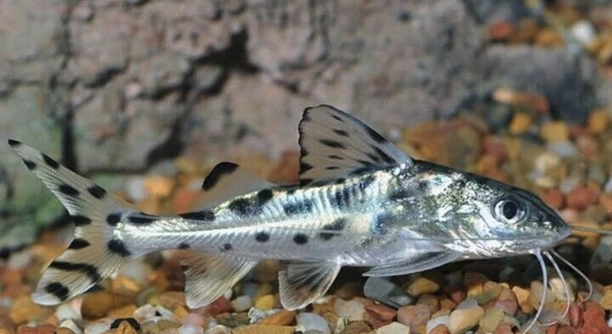
Many fishkeepers enjoy watching how their Pictus catfish interact with others in the tank. These fish are active and social, which leads some to wonder if they remember their tankmates over time. Understanding their social behavior can improve care.
Research suggests that Pictus catfish do have the ability to recognize familiar tankmates after repeated interactions. This recognition is likely based on visual and chemical cues, allowing them to distinguish between known and new fish in their environment.
Learning about this behavior can help you create a peaceful tank environment. It may also explain why your catfish act differently around certain companions. Exploring these interactions provides valuable insight into their care.
How Pictus Catfish Recognize Tankmates
Pictus catfish use their senses to identify other fish in the tank. Their vision helps them see shapes and movement, while their sense of smell picks up chemical signals in the water. When they spend time with the same fish, they learn to recognize these signals more clearly. This recognition helps reduce stress and aggression in the tank. Over time, familiar tankmates become less of a threat, allowing the catfish to interact more calmly. This ability to recognize others is important for social animals like Pictus catfish. It shows they remember who they have met before and can act accordingly. The more stable the group, the better their social interactions tend to be, leading to a healthier and less stressful tank environment overall.
Recognition also helps Pictus catfish avoid unnecessary fights and maintain harmony in their group.
The process of recognition happens gradually. At first, the catfish may be cautious around new tankmates, but as they become familiar, they show more relaxed behavior. This change is a sign that the fish remember and accept each other, which is crucial for peaceful coexistence. This recognition can also influence feeding behavior and territorial habits, making it easier for tankkeepers to manage the community tank. Understanding these social dynamics can improve the quality of life for all fish involved.
Factors Influencing Recognition
Water quality and tank size affect how well Pictus catfish recognize others.
Clear water and enough space allow catfish to see and smell their tankmates better. Poor water conditions can mask chemical cues, making it harder for fish to recognize each other. Overcrowding can also increase stress and confusion, reducing recognition abilities. Keeping the tank clean and providing enough room supports natural social behaviors. Stable environments promote trust among fish, while frequent changes or new introductions can disrupt recognition and cause aggression. Monitoring these factors helps maintain peaceful interactions and ensures a more comfortable living space for Pictus catfish.
A calm, well-maintained tank makes it easier for Pictus catfish to build lasting social bonds.
Stable water conditions are vital for supporting recognition. Changes in temperature, pH, or chemical makeup can interfere with the fish’s sensory abilities. When fish are stressed due to poor conditions, they may become less responsive to social cues. Ensuring a consistent environment allows catfish to focus on their surroundings and remember their tankmates. Additionally, providing hiding spots and visual barriers can help reduce conflicts as fish adjust to each other. Regular maintenance and thoughtful tank setup promote natural recognition and improve overall community health. By paying attention to these details, tankkeepers can help Pictus catfish develop strong, lasting relationships in their aquatic home.
Signs Pictus Catfish Recognize Tankmates
Pictus catfish show calmer behavior around familiar tankmates. They swim closer and share spaces without much aggression, signaling recognition.
When catfish meet new tankmates, they may act cautiously or hide. Over time, as they recognize each other, these behaviors lessen. You might notice them swimming side by side or following each other during feeding. These social cues indicate they remember and accept each other. Watching these signs helps you understand how your fish interact and adapt.
Aggressive displays like chasing or nipping tend to decrease with familiar tankmates. Instead, you’ll see more peaceful swimming patterns and resting near one another. This shift shows the catfish feel safer around known fish. The more they recognize, the better their group dynamics, which helps reduce stress and creates a healthier tank environment overall.
Improving Recognition in Your Tank
Stable groups encourage Pictus catfish to recognize their tankmates faster.
Keeping the same fish together for longer periods helps build familiarity. Avoid frequent changes or adding many new fish at once, as this can cause stress and confusion. Maintaining consistent feeding times and tank conditions also supports recognition. These steps allow your catfish to develop trust and improve social harmony. A steady environment reduces aggression and encourages calmer interactions, making your aquarium more peaceful and enjoyable for everyone.
Recognizing Tankmates Over Time
Pictus catfish improve their recognition skills as they spend more time with the same tankmates. Familiarity grows through repeated interactions and shared space.
Their memory allows them to remember individual fish, reducing stress during future encounters. This ability supports a peaceful tank environment and smoother social behavior.
The Role of Scent in Recognition
Chemical signals play a big part in how Pictus catfish recognize tankmates. These fish release and detect unique scents in the water, which help them identify others. Changes in water quality can affect this process, making it harder for them to recognize familiar fish. Good filtration and regular water changes keep these cues clear and support natural recognition behaviors.
Visual Recognition
Pictus catfish also rely on sight to identify others. Patterns, shapes, and movements help them distinguish tankmates from strangers.
Social Stability and Recognition
Stable social groups lead to stronger recognition and less aggression among catfish.
FAQ
Can Pictus catfish recognize individual tankmates?
Yes, Pictus catfish can recognize individual tankmates over time. They use a combination of visual cues and chemical signals in the water to identify familiar fish. This recognition helps them reduce stress and avoid unnecessary aggression, leading to a more peaceful tank environment.
How long does it take for Pictus catfish to recognize other fish?
Recognition usually develops gradually over days or weeks. The time depends on factors like tank size, water quality, and how often the fish interact. Stable conditions and consistent groupings speed up this process, allowing the catfish to remember their tankmates more quickly.
What signs show that Pictus catfish recognize their tankmates?
Signs include swimming close together, reduced chasing or aggression, and sharing hiding spots. Familiar fish tend to act calmer around each other, while new or unknown tankmates may cause cautious or defensive behavior.
Does tank size affect recognition?
Yes, tank size plays a role. Larger tanks can make it harder for fish to interact regularly, which slows recognition. Smaller tanks encourage frequent contact but can increase stress if overcrowded. A well-sized tank with enough space for each fish to move comfortably is ideal.
How does water quality impact recognition?
Good water quality is important because chemical cues help fish recognize each other. Poor water conditions can mask these signals, making recognition difficult. Regular water changes and proper filtration keep these cues clear and support natural social behavior.
Can Pictus catfish forget their tankmates?
While research is limited, it’s likely that catfish can forget tankmates if separated for long periods. Memory in fish tends to be stronger with ongoing exposure. If fish are removed and then reintroduced after a long time, they may treat each other as strangers again.
Do Pictus catfish show preference for certain tankmates?
Yes, they often prefer familiar fish with whom they have established recognition. These preferences can reduce stress and aggression. Fish that are introduced later may face more challenges being accepted unless introduced slowly and carefully.
What should I do when adding new fish to a Pictus catfish tank?
Introduce new fish slowly and monitor interactions closely. Quarantine new arrivals to reduce disease risk. Adding new fish one at a time and providing hiding spots helps reduce stress and allows gradual recognition by the existing catfish.
Can tankmates influence Pictus catfish behavior?
Definitely. Calm, peaceful tankmates encourage relaxed behavior, while aggressive or overly active fish may cause stress and defensive reactions. Choosing compatible species supports better recognition and social harmony.
How does social stability benefit Pictus catfish?
Stable groups build trust and allow catfish to develop lasting recognition of each other. This stability reduces aggressive encounters and stress, promoting better health and natural behavior patterns.
Is it possible for Pictus catfish to recognize fish from different species?
While they primarily recognize their own species, catfish can become familiar with other species they regularly share a tank with. Recognition may be based more on routine and shared environment than detailed identification across species.
What environmental factors help improve recognition?
Consistent water conditions, appropriate tank size, low stress levels, and steady group membership all help improve recognition. Providing plants or decorations creates natural boundaries and hiding places, which can also aid in reducing conflicts during the recognition process.
Pictus catfish are social creatures that benefit from recognizing their tankmates over time. This ability to recognize helps them reduce stress and avoid conflicts in the tank. When fish feel safe and familiar with those around them, they tend to act calmer and more peacefully. Recognition is supported by their senses, mainly sight and smell, which work together to identify other fish in the same environment. This means that keeping a stable group in a well-maintained tank is important for their well-being. Changes in tankmates or poor water conditions can make it harder for them to recognize others, leading to stress or aggression.
The way Pictus catfish recognize their tankmates is interesting because it shows they have a memory and can learn from their surroundings. Over time, they get used to the same fish and can tell them apart from strangers. This ability helps create a peaceful social structure where fish share space and resources more easily. It also reduces the need for fights or displays of dominance. Watching how your catfish behave can give clues about whether they recognize each other. If they swim calmly together and share hiding spots, it usually means they are familiar with one another. However, if you see chasing or hiding, it may indicate that some fish are still new or that the tank conditions are causing stress.
To support recognition and a healthy community, it’s important to keep the tank environment stable. Regular water changes, proper filtration, and enough space all help maintain clear chemical and visual signals. Avoid introducing many new fish at once, as sudden changes can confuse the catfish and make recognition harder. Giving them time to get used to each other encourages stronger bonds and less aggression. Overall, understanding how Pictus catfish recognize tankmates helps in providing better care. It allows you to create a peaceful tank where the fish can live comfortably and display natural social behavior.

Hello,
If you enjoy the content that we create, please consider saying a "Thank You!" by leaving a tip.
Every little bit helps us continue crafting quality advice that supports the health, happiness, and well-being of pets around the world, for pets of all shapes, sizes, and species.
We really appreciate the kindness and support that you show us!