
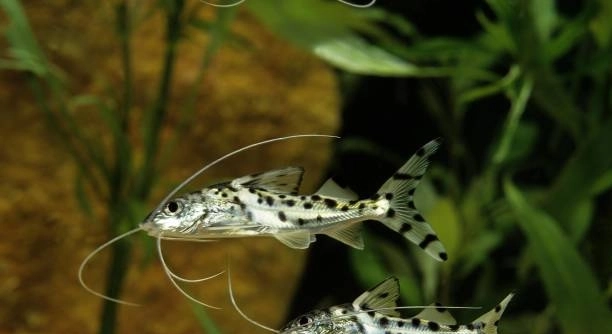
Pictus catfish are popular aquarium pets known for their active nature and peaceful behavior. Watching them swim and interact can be rewarding, but sometimes subtle signs in their actions hint at health or environmental problems. Recognizing these signs early helps keep them healthy.
There are specific behaviors in pictus catfish that indicate distress or illness. These include lethargy, erratic swimming, loss of appetite, hiding excessively, damaged fins, abnormal breathing, and unusual body spots. Identifying these red flags allows for timely intervention and care.
Knowing these warning signs can prevent serious issues and improve your catfish’s well-being. Understanding their behavior promotes a healthier, happier aquarium environment.
Lethargy and Reduced Activity
When a pictus catfish becomes lethargic, it is a clear sign that something is wrong. Normally, these fish are active swimmers, often exploring their tank and interacting with their environment. A sudden drop in activity can indicate illness, poor water quality, or stress. It is important to monitor the fish closely if lethargy is observed. Changes in temperature, water pH, or oxygen levels can all contribute to reduced energy. Additionally, infections or parasites may cause the fish to slow down. If lethargy continues, a water test and examination for visible signs of disease are necessary. Prompt action helps prevent worsening of the condition and ensures better chances of recovery.
Lethargy in pictus catfish signals potential health or environmental problems that require immediate attention.
Addressing lethargy involves checking water parameters first. Clean water with proper temperature and oxygen levels is crucial. Next, observe for any external symptoms like spots or fin damage. Feeding habits also provide clues; a sick fish often loses interest in food. Treatment depends on the underlying cause but often includes improving water quality and, if necessary, using medication. Keeping the tank environment stable reduces stress and supports recovery.
Erratic Swimming Patterns
Erratic swimming is a noticeable behavior where the catfish swims in an unusual, jerky, or uncoordinated manner. This behavior often indicates discomfort or illness. Causes include poor water conditions, parasites, or physical injury. It may also result from internal infections or neurological problems. Observing erratic swimming early can help prevent severe health issues.
Erratic swimming often points to water quality problems or underlying health issues.
To address erratic swimming, first test the water for ammonia, nitrite, and nitrate levels. High concentrations can irritate fish and cause abnormal behavior. If water parameters are normal, inspect the fish for signs of parasites, such as spots or skin damage. Infections can be treated with appropriate medication. Ensure the tank has sufficient hiding places to reduce stress. Sometimes, physical injuries from tank decorations or other fish cause erratic movement. Removing sharp objects and separating aggressive tank mates can improve the situation. Consistent monitoring is essential to track progress and ensure the catfish returns to normal swimming behavior.
Loss of Appetite
Loss of appetite is a common sign that something is wrong with your pictus catfish. When they stop eating or show little interest in food, it could indicate stress, illness, or poor water conditions.
When pictus catfish lose their appetite, it often means they are fighting an infection or dealing with parasites. Changes in water temperature or quality can also cause them to stop eating. Nutritional deficiencies may contribute if the diet is not well-balanced. Monitoring feeding habits closely helps catch problems early. If the fish refuses food for more than a couple of days, testing water quality and checking for visible signs of disease is necessary. Providing a clean environment and a proper diet usually helps the fish regain appetite.
Treating loss of appetite involves improving tank conditions and sometimes using medication. Reducing stress factors like overcrowding and aggressive tank mates encourages normal feeding. Occasionally, offering a variety of foods can stimulate appetite. Patience and close observation are key to successful recovery.
Excessive Hiding
Excessive hiding is unusual behavior for pictus catfish, which are generally curious and active. When they retreat constantly, it often signals discomfort or fear.
This behavior may result from poor water quality, aggressive tank mates, or illness. Stress causes the fish to seek shelter more frequently than normal. Checking water parameters and observing the tank’s social dynamics is important. Sometimes, introducing more hiding spots helps reduce stress but excessive hiding should not be ignored. If hiding persists, health issues like parasites or infections might be the cause. Providing a stable, peaceful environment and addressing any health problems is necessary to restore normal behavior.
Damaged Fins
Damaged fins are a visible sign of stress or injury in pictus catfish. Torn, ragged, or discolored fins often indicate poor water quality or aggression from tank mates.
Fins can also suffer from bacterial or fungal infections. Regular tank maintenance and careful observation can prevent fin damage and promote healing.
Abnormal Breathing
Rapid or labored breathing in pictus catfish often signals low oxygen levels or gill disease. Monitoring water aeration and quality helps reduce this problem. If abnormal breathing continues, medical treatment may be necessary.
Unusual Body Spots
Unusual spots or discolorations on a pictus catfish’s body are often signs of infections, parasites, or poor water conditions. Early detection allows for prompt treatment, protecting the fish’s health and tank environment.
FAQ
What causes lethargy in pictus catfish?
Lethargy in pictus catfish is usually caused by poor water quality, stress, or illness. Low oxygen levels, incorrect temperature, or sudden changes in water conditions can make the fish less active. Infections or parasites can also reduce energy, causing the catfish to move less or rest at the bottom of the tank.
How can I improve my catfish’s activity?
Improving water quality is the first step. Regular water changes, testing for ammonia, nitrites, and nitrates, and maintaining proper temperature help. Reducing stress by avoiding overcrowding and providing hiding spots also encourages activity. Feeding a balanced diet supports overall health and energy.
Why does my pictus catfish swim erratically?
Erratic swimming is often a response to discomfort or illness. Causes include poor water parameters, parasites, physical injury, or neurological issues. Stress from aggressive tank mates or a noisy environment can also cause jerky movements. Identifying the cause helps correct the behavior quickly.
What should I do if my catfish swims erratically?
Start by testing the water quality and correcting any imbalances. Check the tank for sharp objects or aggressive fish causing stress. Inspect your catfish for visible signs of disease or injury. If needed, treat with appropriate medication and provide a calm environment with plenty of hiding places.
How do I know if my catfish is sick from loss of appetite?
Loss of appetite lasting more than a day or two is a warning sign. If your catfish refuses food and shows other signs like lethargy, hiding, or abnormal swimming, illness is likely. Check water conditions immediately and observe for spots, fin damage, or unusual breathing.
Can stress cause my pictus catfish to stop eating?
Yes, stress is a common cause of appetite loss. Stress factors include poor water quality, overcrowding, sudden changes in tank conditions, or bullying by other fish. Reducing stress by maintaining a stable environment and minimizing disturbances usually helps restore appetite.
What causes excessive hiding behavior?
Excessive hiding often means the fish feels unsafe or stressed. It can result from aggressive tank mates, poor water conditions, or illness. Providing enough hiding spots is good, but if the catfish rarely leaves shelter, it is a sign to investigate the cause.
How can I reduce excessive hiding?
Ensure the tank is peaceful by separating aggressive fish and improving water quality. Avoid sudden changes in lighting or environment. Gradually help your catfish feel comfortable by maintaining stable conditions. Treat any illnesses that may cause the fish to seek constant shelter.
What leads to damaged fins in pictus catfish?
Damaged fins are caused by aggression from other fish, poor water quality, or infections. Sharp objects in the tank can also tear fins. Fin rot, a bacterial or fungal infection, is a common cause linked to stress and unclean water.
How do I treat damaged fins?
First, improve tank cleanliness and water quality. Remove any aggressive fish or sharp decorations. Use antibacterial or antifungal medications as needed to treat infections. Regular observation helps track healing and prevents further damage.
Why is my pictus catfish breathing rapidly?
Rapid breathing is often a sign of low oxygen or gill disease. It can happen if the water is not properly aerated or if ammonia levels are high. Poor water conditions stress the fish and affect its breathing.
What steps can improve abnormal breathing?
Increase aeration with air stones or filters. Test and maintain clean water with low ammonia and nitrite levels. If breathing problems continue, check for parasites or infections on the gills and treat accordingly. Reducing stress helps recovery.
What do unusual body spots mean on my catfish?
Unusual spots often indicate parasites, infections, or poor water quality. White spots may signal ich, a common parasite. Dark or red spots can be signs of bacterial infection or injury. Early detection is crucial for effective treatment.
How should I handle unusual spots?
Quarantine the affected fish if possible. Treat the tank or fish with medication specific to the diagnosed condition. Keep water quality high and observe for any changes. Early and proper care increases the chance of full recovery.
How often should I test my tank water?
Regular testing is essential—at least once a week for ammonia, nitrites, nitrates, and pH. Frequent testing helps catch problems early before they affect your catfish’s health. Consistent maintenance keeps the environment stable and safe.
Can diet affect my pictus catfish’s health?
Yes, a poor diet can weaken your catfish’s immune system, leading to illness and behavior changes. Feeding a balanced diet with proper nutrients supports overall health, energy, and resistance to disease.
What are the best foods for pictus catfish?
High-quality sinking pellets or wafers designed for bottom feeders work well. Supplement with frozen or live foods like bloodworms and brine shrimp to provide variety and essential nutrients. Avoid overfeeding to keep water clean and fish healthy.
This FAQ covers common issues and solutions to help maintain a healthy pictus catfish. Monitoring behavior and tank conditions regularly ensures timely care and a thriving aquatic environment.
Understanding your pictus catfish’s behavior is important for keeping it healthy and comfortable in your aquarium. These fish usually show active and curious behavior, so noticing any changes can help you spot potential problems early. Paying attention to signs like lethargy, erratic swimming, loss of appetite, or excessive hiding gives you clues about their well-being. When these red flags appear, it usually means something in their environment or health needs attention. By recognizing these signs, you can act quickly to provide better care and prevent more serious issues.
Maintaining proper water quality and a stable environment is essential for your pictus catfish’s health. Regular water testing, consistent cleaning, and controlling tank conditions like temperature and oxygen levels reduce stress on the fish. Stress weakens their immune system, making them vulnerable to infections and abnormal behavior. Along with a balanced diet and a peaceful tank setup, good water management forms the foundation of healthy fishkeeping. Monitoring their behavior regularly helps ensure that any changes are caught early, giving you a better chance to fix problems before they become serious.
In summary, watching for the seven red flags in pictus catfish behavior helps maintain their health and happiness. Every fish owner should be aware of these signs and understand the basic care requirements. Prompt responses to issues like fin damage, abnormal breathing, or unusual spots make a big difference in recovery. Taking the time to provide a clean, calm environment and proper nutrition supports the long-term well-being of your catfish. This care will allow your pictus catfish to thrive and remain a lively part of your aquarium.

Hello,
If you enjoy the content that we create, please consider saying a "Thank You!" by leaving a tip.
Every little bit helps us continue crafting quality advice that supports the health, happiness, and well-being of pets around the world, for pets of all shapes, sizes, and species.
We really appreciate the kindness and support that you show us!