
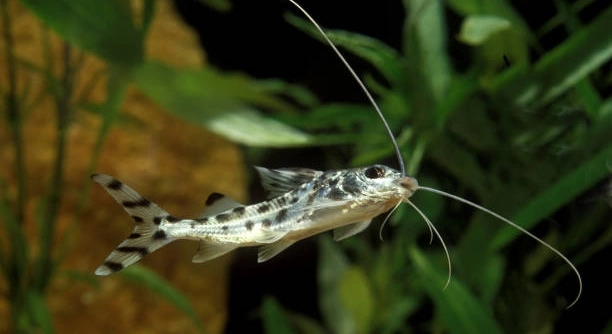
Pictus catfish are popular freshwater fish known for their active behavior and peaceful nature. Many people enjoy keeping them in home aquariums due to their unique look and personality. However, like all fish, they can experience stress from certain changes in their environment.
Several common changes can stress out a Pictus catfish. These include sudden water parameter shifts, new tank mates, changes in diet, poor water quality, inadequate hiding spaces, sudden loud noises, and irregular lighting schedules. Stress can impact their health and behavior significantly.
Recognizing these stressors early can help you create a calmer, healthier environment for your Pictus catfish to thrive in. Understanding what affects them is key to better care and a happier fish.
Sudden Water Parameter Shifts
Sudden changes in water temperature, pH, or hardness can cause significant stress to Pictus catfish. These fish are sensitive to their environment and rely on stable conditions to feel secure. When the water changes too quickly, their bodies must work harder to adjust, which can weaken their immune system and lead to illness. It’s important to test the water regularly and make gradual adjustments if needed. Avoid drastic changes during water changes by matching the new water’s parameters as closely as possible to the tank water. Consistency in water quality helps the catfish stay healthy and reduces stress-related behavior like hiding or erratic swimming.
Water parameter shifts are a common source of stress but can be managed with careful monitoring and patience.
Keeping the water stable not only improves the Pictus catfish’s health but also encourages natural activity. This creates a more peaceful aquarium for both the fish and the owner.
New Tank Mates
Introducing new fish into the tank can unsettle a Pictus catfish, especially if the newcomers are aggressive or territorial. Pictus catfish prefer peaceful companions and can become stressed if bullied or chased. Choosing compatible species and introducing new tank mates slowly can reduce this stress. Observe interactions closely during the first few days and be ready to separate fish if needed.
New tank mates can be a big adjustment for Pictus catfish, causing stress if not carefully chosen.
When adding new fish, research their temperament and size to ensure they are a good match. Avoid overcrowding the tank, as this increases competition for food and space, leading to stress for all inhabitants. Sometimes, a simple rearrangement of tank decorations can help by creating more hiding spots and territories, which gives your Pictus catfish places to retreat and feel safe. The key is to maintain a calm environment and watch for signs of stress like hiding, loss of appetite, or unusual swimming patterns. This approach helps everyone in the tank settle more comfortably.
Changes in Diet
Pictus catfish can become stressed when their diet suddenly changes. They need a balanced diet that includes protein and occasional treats like bloodworms or shrimp. Sudden shifts can cause digestive upset or refusal to eat.
It’s best to introduce new foods slowly, mixing them with their usual diet. This helps the catfish adjust without causing stress. If you want to switch brands or types of food, do it gradually over a week or two. Watch for signs like reduced appetite or unusual behavior that may indicate the fish is struggling with the change. Feeding a varied diet also supports their health and natural foraging habits, making mealtime more enjoyable.
Consistent feeding times and amounts are important. Overfeeding or skipping meals can stress your catfish and disrupt the tank’s ecosystem. A balanced diet supports their immune system and helps them resist stress better.
Poor Water Quality
Poor water quality is one of the most stressful factors for Pictus catfish. High levels of ammonia, nitrites, or nitrates can harm their health quickly. Regular water testing and changes are essential to keep these chemicals in check.
Dirty or polluted water affects the fish’s breathing and can cause skin irritation. Without proper filtration and maintenance, waste builds up, making the environment unsafe. Pictus catfish rely on clean water to thrive, and poor quality can lead to illness or even death. Maintaining good water quality requires regular partial water changes and cleaning of the tank substrate. Keeping the tank clean helps prevent the growth of harmful bacteria and algae.
A healthy tank means healthier fish and fewer stress-related problems. It’s important to keep the water fresh and clear so your catfish can live comfortably and happily.
Inadequate Hiding Spaces
Pictus catfish need places to hide and feel safe. Without enough hiding spots, they can become anxious and stressed. Plants, caves, and decorations provide security.
A tank with plenty of hiding spaces helps reduce stress and encourages natural behavior. It also gives your catfish a retreat when they feel threatened or tired.
Sudden Loud Noises
Loud noises near the tank can startle Pictus catfish. These sudden sounds cause them to dart around or hide.
Keeping the aquarium in a quiet area limits stress from noise. Avoid placing tanks near loud appliances or heavy foot traffic. Stable surroundings help maintain calm behavior.
Irregular Lighting Schedules
Pictus catfish are sensitive to light changes. Too much or inconsistent lighting disrupts their daily rhythm and causes stress.
Maintaining a regular lighting schedule with about 10-12 hours of light per day supports their natural cycle and well-being.
What are the most common signs of stress in a Pictus catfish?
Stress in Pictus catfish often shows through changes in behavior. They may hide more than usual or swim erratically. Loss of appetite is another clear sign, as stressed fish tend to eat less. You might also notice faded colors or clamped fins. Sometimes, they become less active or restless, darting around the tank without purpose. These signs usually indicate that something in their environment is off. Watching for these early signals helps prevent more serious health problems.
How can I stabilize water parameters to reduce stress?
To keep water stable, test your tank regularly for temperature, pH, ammonia, nitrites, and nitrates. Use a reliable test kit and keep records to spot any sudden changes. When doing water changes, replace only 20-30% at a time and match the new water’s temperature and pH as closely as possible. Avoid sudden shifts in temperature or water chemistry by conditioning tap water before adding it to the tank. Consistency is key to preventing stress caused by water fluctuations.
How do I introduce new tank mates without stressing my Pictus catfish?
Introduce new fish slowly and carefully. Quarantine new arrivals for at least two weeks to avoid spreading disease. When ready, place them in a separate container inside the tank for a few days so the catfish can get used to their presence. Gradually release the new fish and watch interactions closely. Choose peaceful species that are similar in size to avoid aggression. Provide plenty of hiding spaces so each fish can claim its own territory, helping reduce stress and conflict.
Can diet changes really cause stress in Pictus catfish?
Yes, sudden diet changes can upset a Pictus catfish’s digestion and cause stress. These fish thrive on a steady, protein-rich diet. If you want to switch foods or add treats, do it gradually over one to two weeks by mixing old and new foods. This slow transition allows their digestive system to adjust without causing refusal to eat or digestive issues. Consistent feeding times and amounts also help reduce stress by creating a reliable routine.
What is the best way to maintain water quality in a Pictus catfish tank?
Regular water changes and proper filtration are essential for maintaining good water quality. Change 20-30% of the tank water weekly to remove waste and toxins. Use a filter that suits your tank size and clean it regularly without removing beneficial bacteria. Avoid overfeeding to prevent excess waste buildup. Testing the water often will help you catch problems early. Keeping the tank clean reduces stress and keeps your Pictus catfish healthy.
How important are hiding places for reducing stress?
Hiding places are very important for Pictus catfish. These fish feel safer and less stressed when they can retreat from view. Provide caves, plants, and decorations to create hiding spots. This lets your catfish rest and feel secure, especially when they sense potential threats or changes around them. A tank with adequate hiding spaces supports their natural instincts and overall well-being.
Can loud noises really affect Pictus catfish?
Yes, loud or sudden noises can startle Pictus catfish and cause stress. Fish don’t have ears like humans, but they detect vibrations and pressure changes through their bodies. Loud sounds near the tank may cause erratic swimming or hiding behavior. Keeping the aquarium in a quiet area away from noisy appliances or heavy foot traffic helps minimize stress. A calm environment supports their health and comfort.
What kind of lighting schedule is best for Pictus catfish?
A consistent lighting schedule of 10 to 12 hours of light per day works best for Pictus catfish. Too much light or irregular cycles can confuse their natural rhythms and cause stress. Use a timer to keep the lighting steady. This helps regulate their behavior and supports normal activity patterns. Dim or shaded areas in the tank also offer relief from bright light and help reduce stress.
How can I tell if my Pictus catfish is recovering from stress?
Recovery signs include increased activity, regular feeding, and returning bright colors. The fish will swim calmly and explore the tank more. Clamped fins will start to relax, and they’ll use hiding spots less frequently. Watching these changes means your care adjustments are working. Recovery may take days to weeks depending on how long the fish was stressed. Patience and continued good care are important for full healing.
Are there any preventive steps to avoid stress in Pictus catfish?
Preventing stress starts with stable water conditions and a well-maintained tank. Keep a regular cleaning and water testing routine. Avoid overcrowding and choose compatible tank mates. Provide enough hiding spaces and maintain consistent feeding and lighting schedules. Introduce changes slowly and watch for signs of distress. Early action and attention create a healthy environment where your Pictus catfish can thrive without unnecessary stress.
Taking care of a Pictus catfish means paying close attention to its environment. These fish can be sensitive to many changes around them, which can cause stress and affect their health. Keeping the water stable, clean, and well-filtered is one of the most important steps. Sudden changes in temperature, pH, or water quality can make them uncomfortable. Regular water testing and gradual adjustments help avoid these problems. It’s also important to maintain a consistent feeding schedule with a balanced diet to keep them healthy and stress-free. Small, steady care routines make a big difference.
The living space of your Pictus catfish matters a lot, too. Providing enough hiding places like caves, plants, or decorations gives the fish a sense of security. When they have places to retreat, they feel safer and less stressed. Avoiding loud noises and keeping the aquarium in a quiet area supports their calm nature. New tank mates should be introduced carefully to prevent aggression or anxiety. These steps help the fish settle in and avoid unnecessary tension. Lighting should also be consistent, mimicking natural day and night cycles. This helps the fish keep their natural rhythm and lowers stress.
Watching your Pictus catfish closely for signs of stress or illness is key to good care. Changes in behavior, appetite, or color can be early warnings that something is wrong. Acting quickly by checking water quality, diet, or tank conditions can prevent bigger problems. Stress can weaken their immune system and lead to disease, so preventing it is always better than treating it later. With steady care and attention to their needs, your Pictus catfish can live a healthy and peaceful life. Keeping their environment stable and comfortable shows respect for their wellbeing and helps you enjoy a happy aquarium.

Hello,
If you enjoy the content that we create, please consider saying a "Thank You!" by leaving a tip.
Every little bit helps us continue crafting quality advice that supports the health, happiness, and well-being of pets around the world, for pets of all shapes, sizes, and species.
We really appreciate the kindness and support that you show us!