
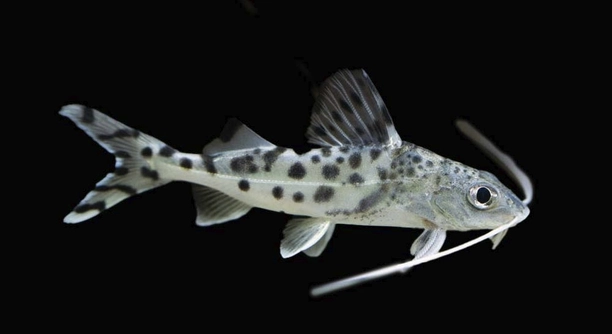
Is your Pictus catfish floating oddly in its tank? Many fish owners notice this unusual behavior and wonder what might be causing it. This article will help you understand why it happens and what you can do to help your catfish.
Floating oddly is often caused by swim bladder issues, water quality problems, or stress. Ensuring clean water, proper diet, and stable tank conditions can help restore your Pictus catfish’s normal buoyancy and health.
Learning to spot the signs and knowing the right steps can make a big difference in your catfish’s well-being and comfort.
Common Causes of Odd Floating in Pictus Catfish
When a Pictus catfish floats oddly, it usually means something is off with its swim bladder or the tank environment. Swim bladder problems are common in fish and affect their ability to control buoyancy. This can happen if the fish swallows air accidentally or has an infection. Another major factor is water quality. Dirty or unbalanced water can stress your catfish, causing unusual behavior like floating at odd angles. Temperature fluctuations or improper pH levels also contribute to this problem. Sometimes, overfeeding or feeding the wrong foods can lead to digestive issues that affect the swim bladder. Keeping the tank clean and stable reduces stress and helps your catfish stay healthy. Regular water changes and monitoring tank parameters are essential to avoid these issues. A well-balanced diet with occasional fasting days can support your catfish’s swim bladder and overall health.
Good tank maintenance and a stable environment are key to preventing floating problems in Pictus catfish.
Taking time to understand your catfish’s needs can help you spot problems early and provide the right care before the issue worsens.
How to Fix Floating Problems in Your Pictus Catfish
Start by checking the water quality with test kits. Parameters like ammonia, nitrite, nitrate, and pH should be within safe ranges for Pictus catfish. Perform partial water changes to improve the conditions if needed. Next, look at your feeding routine. Avoid overfeeding and provide high-quality foods designed for catfish. Sometimes fasting your fish for a day or two helps reduce swim bladder pressure caused by digestion issues. Also, keep the tank temperature stable, ideally between 74°F and 79°F (23°C–26°C). Avoid sudden changes in the tank environment that can stress your catfish. If you suspect infection or swim bladder disease, consulting a vet or fish specialist for treatment options is important. Providing hiding places in the tank reduces stress and helps your catfish feel safe. Consistent care and observation are the best ways to restore your catfish’s normal swimming behavior.
Signs Your Pictus Catfish Needs Help
If your Pictus catfish floats upside down, struggles to stay at the bottom, or suddenly stops eating, these are clear signs it needs attention. Changes in swimming patterns or unusual lethargy also point to possible health issues.
Floating oddly can indicate swim bladder problems, but it might also signal poor water quality or internal infections. Watch for clamped fins or rapid gill movement, which suggest stress or breathing difficulties. Early detection is crucial to prevent worsening conditions. If your catfish appears bloated or has swollen areas, this may relate to digestive or bacterial problems. Monitoring these signs allows you to act quickly, improving your fish’s chances of recovery. Keeping a close eye on your fish’s behavior daily will help you notice these subtle changes early.
Sometimes, the odd floating is temporary, caused by a minor irritation or stress. However, persistent symptoms usually require water testing, diet adjustments, or medication.
Preventing Floating Problems in Your Catfish
Consistent tank cleaning is essential to prevent floating problems. Change 20-30% of the water weekly to keep ammonia and nitrites low. Avoid overcrowding the tank, which stresses your catfish and worsens water quality. Feeding your Pictus catfish high-quality, balanced food in small amounts helps maintain digestive health and reduces swim bladder stress. Include occasional fasting days to give your fish’s digestive system a break. Stable water temperature and pH levels reduce stress and keep your catfish comfortable. Use a reliable heater and test kits to monitor these parameters regularly. Adding live plants or hiding spots provides security, lowering stress-related behaviors like erratic floating. Preventing issues with a good routine is easier than treating them after they develop.
Treating Swim Bladder Issues
Swim bladder problems often improve with simple care adjustments. Start by fasting your catfish for 24-48 hours to ease digestive pressure. Then, feed small amounts of high-fiber foods like peas to help clear blockages.
If symptoms persist, consider adding aquarium salt to the tank. This can reduce inflammation and support healing. Monitor your catfish closely during treatment and maintain excellent water quality to speed recovery.
When to Seek Professional Help
If your Pictus catfish’s floating doesn’t improve after care changes, a vet or aquatic specialist should evaluate it. Persistent buoyancy issues may need targeted treatments like antibiotics or specialized medications.
Early intervention increases the chance of full recovery and prevents long-term damage to your fish.
Adjusting Tank Environment
Ensure stable water temperature and clean conditions to reduce swim bladder stress. Avoid sudden changes that can upset your catfish’s balance.
FAQ
Why is my Pictus catfish floating on its side?
Floating on its side usually points to swim bladder issues. The swim bladder helps control buoyancy, and when it’s affected by infection, injury, or digestive problems, your catfish may lose balance. Poor water quality or stress can also cause this behavior. Check water parameters and feeding habits to help your catfish recover.
Can overfeeding cause floating problems?
Yes, overfeeding can cause digestive issues that put pressure on the swim bladder. This pressure makes it difficult for your catfish to swim properly and maintain normal buoyancy. Feeding smaller amounts and including fasting days helps prevent this.
Is it safe to use aquarium salt for swim bladder treatment?
Aquarium salt can be helpful in small amounts, as it reduces inflammation and supports healing. However, it’s important to use the correct dosage and avoid overdosing, which can stress your fish. Always follow guidelines for your tank size.
How often should I change the water to prevent swim bladder problems?
Regular partial water changes of about 20-30% every week help keep ammonia, nitrite, and nitrate levels low. Clean water reduces stress and the risk of infections that could affect your catfish’s swim bladder.
What foods are best for Pictus catfish with swim bladder issues?
High-fiber foods like shelled peas are good because they help clear the digestive tract and relieve swim bladder pressure. Avoid foods that cause bloating, like flakes or heavy pellets. Feeding high-quality sinking pellets designed for bottom feeders is best.
Can temperature changes cause floating problems?
Yes, sudden or extreme temperature changes stress your catfish and can affect its buoyancy. Keeping a stable temperature between 74°F and 79°F (23°C–26°C) supports healthy swim bladder function.
Should I isolate my catfish if it floats oddly?
If you suspect swim bladder disease or infection, isolating your catfish can prevent spreading illness to other fish and makes treatment easier. Use a quarantine tank with clean water and proper temperature.
How long does it take for a Pictus catfish to recover from swim bladder problems?
Recovery time varies but usually takes a few days to two weeks with proper care. Consistent water quality, diet adjustments, and stress reduction speed up healing.
Are swim bladder problems common in Pictus catfish?
They are fairly common because Pictus catfish have delicate swim bladders and are sensitive to water conditions and diet. Good tank management minimizes the risk.
What signs indicate my catfish has swim bladder disease?
Look for floating on the side or upside down, difficulty swimming, loss of appetite, and lethargy. Bloating or swelling may also appear around the belly area.
Can poor water quality cause swim bladder issues?
Yes, poor water quality increases stress and infection risk, which can lead to swim bladder problems. Regular testing and maintenance are essential.
Is fasting really necessary?
Fasting for a day or two helps clear the digestive system and relieves pressure on the swim bladder. It’s a simple but effective step in treatment.
Can swim bladder problems cause permanent damage?
If untreated, swim bladder issues can cause long-term damage or make swimming impossible. Early care improves the chances of full recovery.
Are there medications for swim bladder disease?
Some infections require antibiotics or other medications. Consult a vet or fish specialist before treating your catfish to ensure the right approach.
How can I reduce stress for my Pictus catfish?
Maintain stable water conditions, provide hiding spots, avoid overcrowding, and keep noise levels low around the tank. Less stress means healthier fish overall.
Can other tank mates cause my catfish to float oddly?
Aggressive or overly active tank mates can stress your Pictus catfish, which may lead to floating issues. Choose peaceful companions and monitor interactions.
Does the age of my Pictus catfish affect swim bladder health?
Older fish may be more prone to swim bladder problems due to weakened immune systems or past injuries. Extra care with environment and diet helps aging fish stay healthy.
How important is tank size for preventing floating problems?
A properly sized tank gives your catfish enough space to swim and reduces stress. Overcrowding increases the risk of swim bladder issues and other health problems.
What should I do if my catfish is still floating oddly after treatment?
Reassess water conditions, feeding routines, and tank mates. If problems persist, seek professional advice to rule out underlying diseases.
Can swim bladder problems be prevented entirely?
While not always avoidable, good tank maintenance, balanced diet, and stress reduction greatly lower the chances of swim bladder issues. Regular observation is key to catching problems early.
Taking care of a Pictus catfish that floats oddly can feel a bit overwhelming at first. This behavior usually means the fish is having trouble controlling its buoyancy, often because of swim bladder issues or stress from its environment. The good news is that most of these problems can be managed or improved with simple steps. By paying close attention to water quality, feeding habits, and tank conditions, you can help your catfish regain its normal swimming behavior. It’s important to act early and not ignore signs like floating on its side, loss of appetite, or unusual lethargy. These signs often tell you that your fish needs help.
Maintaining a clean and stable tank environment is one of the best ways to prevent swim bladder problems in your Pictus catfish. Regular water changes, checking water parameters, and avoiding sudden temperature changes reduce stress on your fish. Overfeeding is a common cause of swim bladder issues, so feeding smaller amounts and including fasting days can help keep your catfish healthy. Providing hiding places and peaceful tank mates also lowers stress, which plays a big role in your fish’s well-being. If problems arise, fasting the fish and feeding high-fiber foods like peas can relieve swim bladder pressure and aid recovery.
Sometimes, despite your best efforts, your Pictus catfish might need extra help from a vet or fish specialist. Persistent floating or other signs of illness should never be ignored. Professional advice and treatment, such as medication for infections, can make a difference. Overall, understanding your catfish’s needs and keeping a close eye on its behavior will help you catch issues early and improve its quality of life. With proper care, your Pictus catfish can swim happily and healthily for years to come.

Hello,
If you enjoy the content that we create, please consider saying a "Thank You!" by leaving a tip.
Every little bit helps us continue crafting quality advice that supports the health, happiness, and well-being of pets around the world, for pets of all shapes, sizes, and species.
We really appreciate the kindness and support that you show us!