
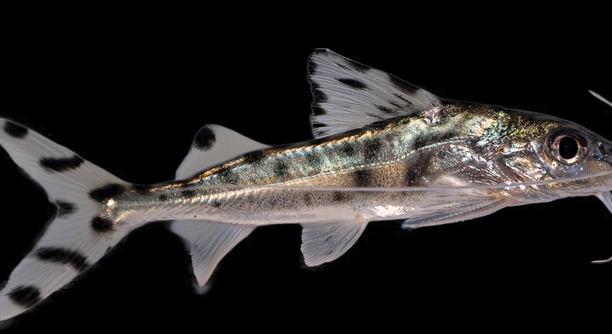
Lighting plays a crucial role in maintaining a healthy and calm pictus tank environment. Proper lighting supports fish behavior and plant growth while reducing stress. Understanding the right setup can improve your tank’s overall balance and appearance.
To achieve a stress-free pictus tank, it is important to use lighting that mimics their natural habitat. Avoid harsh or overly bright lights, as these can cause agitation. A balanced light schedule of moderate intensity helps regulate their daily rhythms and comfort.
These practical tips will help you create a stable, peaceful environment for your pictus. The right lighting choices can make a noticeable difference in your tank’s harmony.
Choosing the Right Light Intensity
Selecting the proper light intensity is essential for a stress-free pictus tank. Too much light can cause fish to hide and become stressed, while too little light can harm plant growth and make the tank look dull. Ideally, aim for moderate lighting that replicates the natural conditions of their river habitats. Using adjustable LED lights allows you to control brightness throughout the day. It’s also helpful to position the lights so they don’t shine directly into the tank, reducing glare and sudden brightness. Keep in mind that pictus catfish are nocturnal, so they prefer dimmer conditions. A balance between providing enough light for plants and comfort for fish leads to a healthier environment. Regularly monitor your fish’s behavior to ensure the lighting is comfortable for them.
Avoid very bright or flashing lights that can cause stress or erratic swimming.
Adjustable LED lights provide flexibility in maintaining appropriate light levels.
Keeping a low to moderate light intensity supports fish health and tank aesthetics.
Establishing a Consistent Light Schedule
Consistency in lighting helps regulate the natural rhythms of pictus catfish and plants. Aim for about 8 to 10 hours of light per day, simulating a normal day-night cycle. Using a timer can make this easier by turning lights on and off automatically. Sudden changes in lighting can confuse the fish and lead to stress. Having a gradual increase and decrease in light intensity mimics sunrise and sunset, helping fish adjust comfortably. This routine also supports plant photosynthesis without overwhelming the tank. Avoid leaving lights on overnight or too long, as constant light can disrupt fish sleep and promote algae growth. Keeping the schedule steady helps maintain a calm, healthy tank environment where pictus can thrive.
A regular light schedule supports fish behavior and plant growth by maintaining balance in the tank.
Automatic timers ensure consistent light periods without guesswork, improving tank stability.
Gradual changes in light levels reduce stress and mimic natural environmental patterns.
Avoid prolonged or irregular lighting to prevent negative effects on fish and plants.
Using Timers for Lighting Control
Timers help maintain a consistent light cycle without constant manual adjustment. They ensure your pictus tank receives the right amount of light daily. This consistency prevents stress and supports natural behavior patterns.
Automatic timers reduce the risk of over- or under-lighting, which can disrupt fish and plants. By setting precise on and off times, you create a stable environment. Timers also simplify tank maintenance, removing guesswork and freeing up your time. They help simulate natural conditions, which is vital for nocturnal fish like pictus catfish. Reliable timing avoids sudden light changes that might startle your fish. Overall, timers contribute to a calm and balanced tank ecosystem.
Using timers is a practical step that benefits both the fish and plant life. It promotes health and reduces stress, making tank care easier and more effective.
Positioning Lights Properly
Proper light placement minimizes glare and prevents hotspots, creating an even light distribution in the tank. Position lights so they illuminate the tank without shining directly into the fish’s eyes or causing bright reflections. This setup reduces stress and encourages natural movement. Avoid placing lights too close to the water surface to prevent overheating or algae growth. Using diffusers or frosted covers softens the light, making it less harsh. Good positioning ensures plants receive enough light for photosynthesis while keeping fish comfortable. An even light spread creates a visually pleasing tank that feels safe for your pictus catfish. This simple adjustment enhances the overall tank environment and promotes healthier fish behavior.
Avoiding Excessive Light Exposure
Too much light can cause stress and discomfort for pictus catfish. It may also encourage unwanted algae growth. Keep the lighting duration and intensity within moderate limits to protect your tank’s balance.
Limiting light exposure helps maintain natural behaviors and prevents fish from hiding due to bright conditions. It also reduces the risk of overheating and keeps plants healthy.
Using Dimmer Settings
Dimmer settings allow precise control over light intensity. This flexibility helps create a calming environment that suits pictus catfish needs.
Adjusting brightness gradually during the day mimics natural light patterns. It prevents sudden changes that might disturb your fish.
Selecting Full-Spectrum Lights
Full-spectrum lights provide a balanced range of wavelengths that support both plant growth and fish health. They help create a natural-looking tank environment.
Using full-spectrum lighting encourages vibrant colors and healthy plants, improving overall tank aesthetics and well-being.
Regular Light Maintenance
Cleaning light fixtures regularly ensures optimal performance. Dust or algae buildup can reduce light effectiveness and cause uneven lighting.
FAQ
How much light does a pictus tank need?
Pictus catfish thrive with moderate lighting that mimics their natural river environment. About 8 to 10 hours of light daily is enough to support plants and maintain fish comfort. Too much light can stress the fish, while too little may hinder plant growth.
Can pictus catfish tolerate bright light?
Pictus catfish prefer dimmer, softer lighting because they are nocturnal. Bright lights can cause them to hide or become agitated. Using adjustable or diffused lights helps create a more comfortable environment for these fish.
Is it necessary to use a timer for tank lighting?
Using a timer is highly recommended. It provides consistent light cycles, which help regulate fish behavior and plant health. Timers prevent sudden changes in lighting that could stress pictus catfish and simplify tank care.
What type of light is best for planted pictus tanks?
Full-spectrum LED lights are ideal. They provide a balanced range of wavelengths that support both fish and plant needs. These lights encourage healthy plant growth and enhance the natural colors of the fish.
Can too much light cause algae problems?
Yes. Excessive light or leaving lights on too long promotes algae growth, which can harm water quality and make the tank look dirty. Controlling light duration and intensity helps keep algae under control.
How do I reduce glare in my pictus tank?
Position lights so they don’t shine directly into the tank or fish eyes. Using diffusers, frosted covers, or indirect lighting softens the glare. Proper light placement creates a calm environment and reduces stress for the fish.
Should I change my lighting based on the season?
Adjusting lighting to mimic natural seasonal changes can benefit fish and plants. Shorter daylight hours in winter and longer in summer help regulate biological rhythms. Using timers makes seasonal adjustments easier.
What are signs that my pictus catfish are stressed from lighting?
Stress signs include hiding, erratic swimming, loss of appetite, and faded colors. If you notice these, reduce light intensity or shorten lighting periods. Ensuring a dim, stable lighting environment helps fish feel secure.
Is it okay to have no lighting at night?
Yes. Pictus catfish need a dark period to rest, just like they would in nature. Keeping lights off during night hours supports their natural sleep cycle and reduces stress.
How often should I clean or maintain my tank lights?
Clean light fixtures every few weeks to remove dust, algae, or mineral buildup. Clean lights work more efficiently, providing consistent illumination and preventing uneven lighting spots.
Can lighting affect the behavior of other fish in a community tank?
Yes. Different species have different lighting preferences. When keeping pictus catfish with others, choose lighting that balances the needs of all inhabitants. Moderate, full-spectrum lighting usually works well in mixed tanks.
Are there special lights made specifically for catfish tanks?
There are no lights made only for catfish, but adjustable LED lights and dimmers work well. The key is to replicate natural conditions, using soft, moderate lighting to keep nocturnal fish comfortable.
How important is the color temperature of the light?
Color temperature affects the tank’s look and plant health. A range between 5000K and 7000K is suitable for planted tanks, offering a natural daylight appearance. Cooler or warmer lights can change fish coloration and plant growth.
What should I do if my tank plants are not growing well under current lighting?
Evaluate your light intensity, duration, and spectrum. Insufficient light or wrong spectrum can stunt plant growth. Switching to full-spectrum LEDs and increasing light hours gradually may improve plant health.
Can sudden light changes harm pictus catfish?
Sudden changes can startle and stress pictus catfish. Gradual light changes using dimmers or timers with sunrise/sunset modes help fish adjust smoothly to lighting shifts.
Is natural sunlight good for a pictus tank?
Direct sunlight is generally not recommended. It can cause temperature fluctuations and excessive algae growth. Indirect natural light can be beneficial but should be limited and monitored closely.
This FAQ covers the most common lighting concerns for pictus tanks, helping maintain a calm and healthy aquatic environment. Following these guidelines supports both fish and plant wellbeing.
Final Thoughts
Lighting plays a vital role in creating a healthy and stress-free environment for your pictus tank. Choosing the right light intensity and duration helps keep your fish comfortable and supports plant growth. It is important to avoid harsh or overly bright lighting that can cause your pictus catfish to hide or act stressed. Instead, aim for moderate lighting that mimics their natural habitat. Using adjustable LED lights makes it easier to find the perfect balance and adjust brightness as needed.
Maintaining a consistent lighting schedule is equally important. Using timers to control when lights turn on and off creates a stable routine that helps regulate your fish’s natural behavior. Pictus catfish are nocturnal, so they need periods of dim or no light to rest properly. Sudden changes in lighting can cause stress, so gradual increases or decreases in light intensity work best. This consistency benefits both your fish and the plants in your tank by supporting healthy growth and reducing unwanted algae.
Proper positioning and regular maintenance of your lighting setup also contribute to a calm tank environment. Position lights to avoid glare or direct beams that can disturb the fish. Cleaning fixtures regularly keeps the light bright and even throughout the tank. Avoid leaving lights on for too long, as this can lead to algae problems and disrupt your fish’s sleep cycle. By paying attention to these lighting details, you create a peaceful and balanced habitat where your pictus catfish can thrive.

Hello,
If you enjoy the content that we create, please consider saying a "Thank You!" by leaving a tip.
Every little bit helps us continue crafting quality advice that supports the health, happiness, and well-being of pets around the world, for pets of all shapes, sizes, and species.
We really appreciate the kindness and support that you show us!