
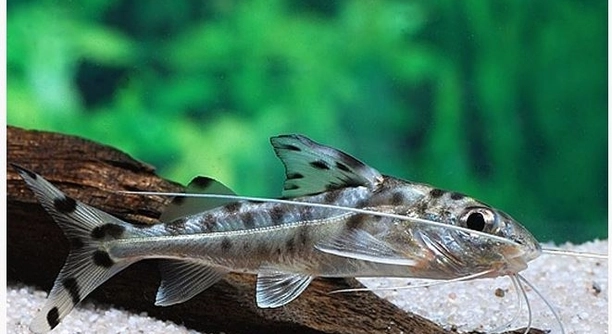
Keeping Pictus catfish can be rewarding for aquarium enthusiasts who enjoy lively and active fish. These catfish are known for their distinctive spotted patterns and energetic swimming habits. Understanding their care needs is important for a healthy tank environment.
Pictus catfish can survive without a filter, but maintaining water quality becomes more challenging. Regular water changes and careful monitoring are essential to prevent waste buildup and ensure the fish remain healthy in an unfiltered aquarium.
Proper care techniques and tank management will help maintain a balanced habitat for your Pictus catfish, promoting their well-being and longevity in your aquarium.
Can Pictus Catfish Live Without a Filter?
Pictus catfish are hardy fish that can survive in less-than-ideal conditions, including tanks without filters. However, this does not mean they thrive without one. Filters help maintain clean water by removing debris, excess food, and waste. Without a filter, toxins like ammonia and nitrites can build up quickly, putting stress on the fish and increasing the risk of disease. Keeping a regular schedule of partial water changes is crucial to maintain good water quality. It is also important to avoid overfeeding, as uneaten food will decay and harm water conditions. Providing plenty of hiding places and plants can help the fish feel secure and reduce stress. While Pictus catfish can live without a filter for a time, their long-term health is better supported with proper filtration.
To keep Pictus catfish healthy without a filter, water must be changed frequently and monitored closely for toxins.
If you choose not to use a filter, it’s important to invest time in maintaining the tank. Weekly water changes of 25 to 50 percent are necessary, depending on the tank size and number of fish. Testing the water regularly helps catch dangerous toxin levels early. Using a gravel vacuum during water changes can remove waste trapped at the bottom. Adding live plants can improve oxygen levels and absorb some waste. Despite the extra effort, Pictus catfish generally have a better quality of life with filtration, but they can manage without if you stay consistent with care.
Water Quality Management Without a Filter
Maintaining stable water quality without a filter requires diligence and patience.
Without mechanical filtration, waste products accumulate faster. Ammonia, a toxic substance produced by fish waste, can quickly reach harmful levels. To prevent this, partial water changes must be done often. Keeping the tank clean involves removing uneaten food and debris daily. Using water conditioners during changes neutralizes chlorine and chloramine from tap water, protecting the fish. Keeping the tank less crowded reduces waste load and stress. Monitoring water parameters such as ammonia, nitrite, nitrate, and pH regularly is vital. Small, frequent water changes are more effective than large, infrequent ones. This approach helps stabilize water chemistry and keeps the environment safe for your Pictus catfish, even without a filter.
Feeding and Waste Management
Proper feeding is key when keeping Pictus catfish without a filter. Overfeeding leads to excess waste and poor water quality.
Feed your Pictus catfish small amounts once or twice a day, giving only what they can eat in a few minutes. Uneaten food should be removed quickly to prevent decay, which causes ammonia spikes. Using sinking pellets or wafers helps since these fish feed near the bottom. Avoid feeding large amounts at once, as it can overwhelm the tank’s natural balance.
Waste produced by Pictus catfish can build up fast without filtration. Regular cleaning of the tank substrate and prompt removal of waste matter helps maintain better water conditions. A gravel vacuum during water changes is useful for removing detritus. The goal is to keep the environment as clean as possible to reduce stress on the fish.
Tank Setup for Filter-Free Pictus Catfish
Choosing the right tank size is essential. A larger tank helps dilute toxins and makes maintenance easier.
A tank of at least 30 gallons is recommended to support Pictus catfish without a filter. Larger volumes of water provide more stable conditions and reduce the impact of waste buildup. Adding plenty of hiding spots with plants, rocks, or decorations creates a natural environment that lowers stress. Using live plants can improve water quality by absorbing nitrates and producing oxygen. Lighting should be moderate, and avoid overcrowding with too many fish to keep the waste manageable. Proper aeration is also important to maintain oxygen levels, which can be done with an air pump or water movement devices even if a filter is not present.
Benefits of Using a Filter
Filters help keep water clean by removing waste and debris automatically. This reduces the need for frequent water changes.
They also support beneficial bacteria that break down harmful toxins like ammonia and nitrites. This creates a safer and more stable environment for Pictus catfish.
Signs Your Pictus Catfish Needs Better Filtration
If your fish become lethargic, lose appetite, or show abnormal behavior, poor water quality may be the cause. Cloudy water or foul smells are also warning signs. These issues often indicate the tank needs better filtration or more frequent maintenance.
Alternatives to Traditional Filters
Using sponge filters or air-driven filtration systems can improve water quality without strong currents. These options provide gentle filtration suitable for sensitive fish like Pictus catfish.
Monitoring Water Parameters
Regularly checking ammonia, nitrite, nitrate, and pH levels helps detect problems early. Maintaining safe levels is critical to the health of your fish.
FAQ
Can Pictus catfish survive long-term without a filter?
Pictus catfish can survive without a filter if the tank is maintained carefully. This requires frequent water changes, close monitoring of water quality, and proper feeding. However, long-term survival without filtration is challenging because toxins can build up quickly. A filter helps keep the water stable and reduces stress on the fish.
How often should I change water in an unfiltered tank?
In a tank without a filter, water changes should be done at least once a week, often more depending on tank size and fish load. Partial water changes of 25 to 50 percent help keep ammonia and nitrite levels low. Testing the water regularly will guide how often changes are needed to maintain safe conditions.
What tank size is best for Pictus catfish without a filter?
A minimum of 30 gallons is recommended when keeping Pictus catfish without a filter. Larger tanks provide more stable water parameters and dilute toxins more effectively. Bigger tanks also allow for a better balance of waste and oxygen, making it easier to maintain good conditions without filtration.
Can live plants help maintain water quality without a filter?
Yes, live plants can improve water quality by absorbing nitrates and producing oxygen. They also create hiding places that reduce fish stress. However, plants alone are not enough to replace filtration completely. They should be used alongside regular water changes and careful tank maintenance.
Is overfeeding a bigger problem in unfiltered tanks?
Overfeeding is a significant issue without a filter. Uneaten food decomposes and produces harmful toxins. Feeding small amounts and removing leftovers quickly is essential to keep the water clean. Overfeeding can cause ammonia spikes that are dangerous for Pictus catfish.
What are the signs of poor water quality in Pictus catfish?
Signs include lethargy, loss of appetite, erratic swimming, gasping at the surface, and faded coloration. Cloudy water or foul odors in the tank also indicate poor water conditions. These signs should prompt immediate water testing and maintenance.
Are there gentle filtration options suitable for Pictus catfish?
Sponge filters and air-driven filters are gentle and effective. They provide biological filtration without creating strong currents that may stress Pictus catfish. These filters help maintain water quality while being less harsh than standard power filters.
Can Pictus catfish tolerate different water temperatures without filtration?
Pictus catfish prefer temperatures between 72°F and 79°F. Without a filter, temperature fluctuations can be more pronounced, which stresses the fish. Using a reliable heater and avoiding sudden changes is important to keep them comfortable.
How often should I test water parameters in an unfiltered tank?
Water parameters should be tested at least twice a week. Testing ammonia, nitrite, nitrate, and pH levels helps detect harmful changes early. Frequent testing allows timely intervention, such as water changes, to protect your fish.
What substrate is best for a filter-free Pictus catfish tank?
Fine gravel or sand is best because it traps less debris and is easier to clean. Using a substrate vacuum regularly helps remove waste and prevents toxin buildup. Avoid substrates that trap a lot of waste, as this makes maintaining water quality harder without a filter.
Is it possible to keep other fish with Pictus catfish in an unfiltered tank?
It’s possible but more difficult. Additional fish increase waste load, requiring more frequent water changes and careful feeding. Choose peaceful species that thrive in similar water conditions and avoid overcrowding to keep the environment stable.
Can water conditioners replace filtration in any way?
Water conditioners neutralize chlorine, chloramine, and some toxins, but they don’t remove waste or debris. They are useful during water changes but cannot replace filtration. Filtration physically removes particles and supports beneficial bacteria, which conditioners cannot do.
How can I reduce stress for Pictus catfish without a filter?
Provide hiding places with plants, rocks, or decorations. Maintain stable water parameters and avoid sudden changes. Feed consistent, appropriate amounts of food. Reducing noise and vibrations near the tank can also help. Stress weakens fish and makes them more susceptible to disease.
What should I do if ammonia or nitrite levels spike in an unfiltered tank?
Perform an immediate partial water change of at least 30 to 50 percent to dilute toxins. Test water daily and continue changes until levels return to safe ranges (ammonia and nitrite close to zero). Consider reducing feeding temporarily and clean the substrate carefully.
Are Pictus catfish more sensitive to water quality than other catfish species?
Pictus catfish are moderately sensitive. They tolerate a range of conditions but do best in clean, well-maintained water. Compared to some hardy catfish, they require more stable water parameters. This makes regular care and monitoring important, especially without filtration.
Can aeration compensate for the lack of a filter?
Aeration improves oxygen levels but does not remove toxins or debris. Using an air pump with an air stone can help maintain oxygenation, which is beneficial for Pictus catfish. However, aeration should be combined with frequent water changes and cleaning for best results.
Keeping Pictus catfish without a filter is possible, but it requires careful attention and effort. These fish produce waste that can quickly build up in the water, leading to harmful conditions. Without a filter to remove debris and toxins, it is necessary to do regular water changes and closely monitor water quality. Feeding must be controlled to avoid excess food, which can pollute the tank. Even though Pictus catfish are hardy, maintaining a clean environment is essential for their health and well-being over time.
A good tank setup is important when choosing to keep Pictus catfish without filtration. A larger tank helps dilute waste and keeps water parameters more stable. Adding live plants can assist in improving water quality by absorbing some waste and providing oxygen. Hiding places and proper aeration also reduce stress for the fish. However, even with these measures, the absence of a filter means that extra care is necessary to prevent toxins like ammonia and nitrites from reaching dangerous levels.
While it is possible to keep Pictus catfish without a filter, it is often easier and safer to use one. Filters support the natural biological processes that break down waste and maintain a healthy aquarium environment. Without a filter, the risk of water quality problems increases, and the time needed for maintenance grows significantly. For anyone willing to put in the extra effort, a filter-free tank can work, but consistent care and close observation of the fish and water are key to their long-term health.

Hello,
If you enjoy the content that we create, please consider saying a "Thank You!" by leaving a tip.
Every little bit helps us continue crafting quality advice that supports the health, happiness, and well-being of pets around the world, for pets of all shapes, sizes, and species.
We really appreciate the kindness and support that you show us!