
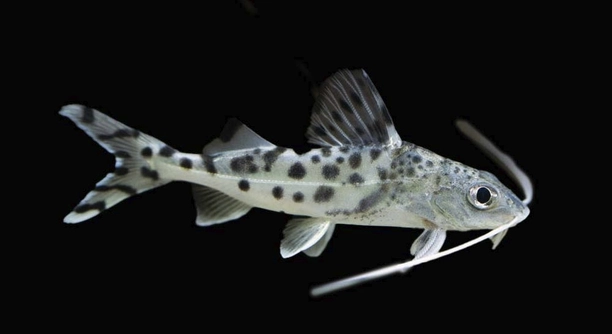
Have you ever noticed your pictus catfish swimming alone or hiding more than usual? These active fish often enjoy company, and their behavior can tell you a lot about how they feel in their environment. Understanding their social needs helps keep them healthy.
Pictus catfish are social animals that tend to become lonely when kept alone or in too small groups. Signs of loneliness include lethargy, hiding, and loss of appetite. Providing companions and a stimulating environment helps reduce stress and improve their well-being.
Recognizing these signs early can make a big difference in your catfish’s happiness and health. Learning how to spot loneliness ensures your aquatic friends thrive in their tank.
Signs That a Pictus Catfish Is Feeling Lonely
When a pictus catfish is lonely, its behavior changes noticeably. It may stop swimming actively and spend more time hiding behind plants or decorations in the tank. Normally, these catfish are quite lively, darting around and exploring their environment. A lonely pictus catfish might also lose interest in food, eating less or refusing it altogether. You might see it staying near the tank bottom or in one spot for long periods, which is unusual. Sometimes, they may even become more aggressive or restless as they try to seek interaction. These signs indicate the fish is not comfortable or happy. It is important to observe your catfish closely because loneliness can affect their health, leading to stress-related illnesses. Ensuring they have enough space and companions that suit their social nature can make a big difference in their overall behavior and well-being.
Lonely pictus catfish often hide more and eat less. Their activity levels drop, showing they need social interaction or better tank conditions.
If you notice your catfish hiding or acting sluggish, try adding more tank mates of the same species. Pictus catfish thrive in groups of at least three to five. Besides companions, providing plenty of hiding spots and room to swim helps reduce stress. Keeping water conditions stable and clean also supports their health. By creating a better environment, you can help your catfish feel more secure and engaged.
How to Help a Lonely Pictus Catfish
Addressing loneliness in pictus catfish starts with giving them company. These fish prefer living in groups, so adding two or more of the same species is often the best solution. The new companions should be introduced carefully to avoid stress or fighting. Besides companions, enriching the tank with plants, caves, and decorations gives the catfish places to explore and hide, which helps reduce boredom and anxiety. Proper tank size is also crucial; overcrowding or too small a tank can cause stress, while a spacious tank encourages natural behavior. Regular maintenance, such as water changes and temperature checks, ensures the environment stays healthy. Watching your catfish after making these changes helps you see if they become more active and interested in their surroundings. With some attention and patience, your pictus catfish can regain its lively spirit and show more natural social behavior.
Creating a Comfortable Environment for Your Pictus Catfish
A calm and spacious tank helps pictus catfish feel secure and less lonely. They need enough room to swim and places to hide. This reduces stress and encourages natural behavior.
Make sure the tank is at least 30 gallons for a small group of pictus catfish. Add plenty of plants, rocks, and caves to create hiding spots. These fish enjoy soft substrates like sand because it protects their sensitive barbels. Keeping the water clean and stable with regular changes is essential. Avoid strong currents, as pictus catfish prefer gentle water flow. Providing a well-structured environment helps your catfish feel safe and engaged, reducing loneliness and promoting activity.
Lighting should be moderate, not too bright, since pictus catfish are more active in dimmer settings. Using floating plants or decorations that diffuse light can create a comfortable space. Watching your catfish adapt to these changes will show you how much a peaceful environment matters for their happiness.
Feeding and Social Interaction Tips
Feeding your pictus catfish a balanced diet supports their health and mood. They enjoy sinking pellets, live or frozen foods like bloodworms, and small insects. Feeding them regularly in small amounts encourages activity and helps them stay alert.
Social interaction is important. Pictus catfish do better with companions and may become shy or withdrawn when alone. Watching how they interact during feeding can give clues about their social comfort. If one fish seems isolated, it may need more attention or additional tank mates. Creating a routine, such as feeding at the same time daily, can help reduce stress and build trust. Encouraging interaction through gentle tank maintenance or arranging decorations to stimulate movement also keeps your catfish engaged and less lonely.
Monitoring Behavior Changes
Regularly watching your pictus catfish helps you spot signs of loneliness early. Sudden changes in activity or appetite are important to notice.
Keep a simple log of their behavior to track any patterns. This can guide you in making adjustments to their environment or social group.
Introducing New Tank Mates
Adding new fish requires care to prevent stress or aggression. Choose species that are peaceful and compatible with pictus catfish.
Introduce newcomers slowly, allowing everyone to adjust. Watch closely for any signs of conflict or bullying. Proper introductions help maintain a calm, social tank atmosphere.
Avoiding Overcrowding
Too many fish in one tank causes stress and competition. Maintain a balance between the number of pictus catfish and tank size.
A crowded tank can increase loneliness and illness despite having more fish around.
FAQ
How many pictus catfish should I keep together?
Pictus catfish are social creatures that do best in groups of at least three to five. Keeping just one can lead to loneliness and stress. A small group helps them feel secure and encourages natural behaviors like swimming and exploring together.
Can pictus catfish live with other fish species?
Yes, pictus catfish can live peacefully with other community fish that are non-aggressive and similar in size. Good tank mates include tetras, rasboras, and peaceful barbs. Avoid large or aggressive fish that might bully or harm them.
What are clear signs of loneliness in pictus catfish?
Signs include hiding for long periods, reduced activity, loss of appetite, and sometimes aggression or restlessness. If your catfish stops interacting with its environment or companions, loneliness could be the cause.
How can I reduce loneliness if I can’t add more catfish?
If adding more pictus catfish isn’t possible, create a stimulating environment. Use plants, caves, and decorations for hiding and exploring. Try interacting gently during feeding times. Keeping a calm and clean tank also helps reduce stress.
Is loneliness harmful to pictus catfish?
Yes, loneliness can cause stress, which weakens their immune system. This makes them more prone to diseases and shortens their lifespan. Ensuring social interaction and a proper environment is key to their health.
How often should I clean the tank to support my catfish?
Regular cleaning is important—about 20-25% water changes every week keep the tank healthy. Clean gravel and remove waste to avoid harmful buildup. Stable water quality reduces stress, helping catfish feel more comfortable.
Can pictus catfish recognize their owners or respond to human presence?
They don’t recognize owners like pets but can learn feeding routines and associate your presence with food. This can encourage interaction and activity, which helps prevent boredom and loneliness.
What should I do if my catfish fights with tank mates?
Separate aggressive fish immediately to avoid injury. Make sure the tank is large enough and has plenty of hiding spots. Sometimes aggression comes from overcrowding or stress, so adjusting tank conditions can help.
Do pictus catfish need specific lighting to feel comfortable?
Moderate lighting is best. Bright lights can stress them out, while dim or filtered light makes them more active. Using floating plants or shaded areas provides a natural environment that helps them feel safe.
Is it normal for pictus catfish to hide a lot?
They do enjoy hiding spots but excessive hiding may signal stress or loneliness. Observe if they eat well and swim normally when they come out. If hiding becomes constant, changes in environment or companions might be needed.
How do I introduce new pictus catfish to my tank?
Introduce new fish slowly by keeping them in a separate container inside the tank for a few days. This helps them get used to the water and presence of other fish. Then release them gently while watching for any signs of conflict.
What food is best to keep pictus catfish healthy and active?
A varied diet works best. Use sinking pellets designed for bottom feeders, plus live or frozen foods like bloodworms and brine shrimp. Feeding small amounts two to three times daily keeps them interested and energetic.
Pictus catfish are social creatures that need attention and company to stay healthy and happy. When they are lonely, their behavior changes, and this can affect their overall well-being. It is important to watch for signs like hiding, lack of activity, or loss of appetite. These signs show that your catfish may need a change in their environment or the addition of tank mates. By noticing these early, you can take steps to improve their comfort and reduce stress.
Creating a suitable environment for your pictus catfish involves more than just adding more fish. They need enough space to swim freely and places to hide, like plants or decorations. Clean, stable water conditions and proper lighting also help them feel secure. Feeding them a balanced diet and maintaining a regular routine supports their health and encourages natural behaviors. Paying attention to their needs helps them thrive and reduces feelings of loneliness.
Taking care of pictus catfish means understanding their social nature and creating a peaceful habitat where they can interact and explore. If you cannot add more catfish, making the tank stimulating and comfortable still makes a big difference. Being patient and observant allows you to respond to their needs and keep them healthy. With the right care, your pictus catfish can live a full, active life in your aquarium.

Hello,
If you enjoy the content that we create, please consider saying a "Thank You!" by leaving a tip.
Every little bit helps us continue crafting quality advice that supports the health, happiness, and well-being of pets around the world, for pets of all shapes, sizes, and species.
We really appreciate the kindness and support that you show us!