
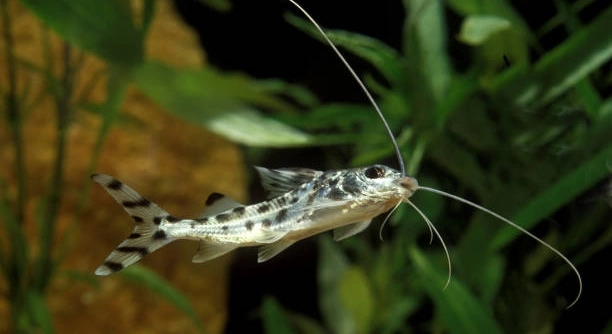
Pictus catfish are popular in home aquariums due to their active nature and attractive spotted patterns. Many hobbyists worry about the impact of shipping on these sensitive fish. Shipping can cause stress, which affects their health and survival.
Pictus catfish can survive shipping stress if proper care is taken during transport. Key factors include maintaining stable water conditions, minimizing handling, and using adequate oxygenation. These measures help reduce stress and increase the chances of safe arrival.
Understanding how to reduce shipping stress is important for keeping your catfish healthy. The following information will help ensure their well-being during and after transport.
Understanding Shipping Stress in Pictus Catfish
Shipping stress in Pictus catfish mainly comes from changes in their environment. Sudden shifts in temperature, water quality, and oxygen levels can affect their well-being. These fish are sensitive to handling and confined spaces, which can increase stress during transport. Stress weakens their immune system, making them more vulnerable to illness. Proper packaging helps protect them from bumps and water quality issues. Using clean, temperature-controlled water and adding oxygen can improve survival rates. Limiting transport time also reduces the amount of stress the fish endure. After arrival, giving them time to acclimate slowly helps them recover. Observing the fish for signs of stress or illness is important in the days after shipping. Acting quickly if problems arise can save their lives. Maintaining a stable environment both during and after shipping is key to ensuring healthy Pictus catfish.
Shipping stress can be minimized by controlling water conditions and handling carefully.
Proper acclimation after shipping supports their recovery and long-term health.
Preparing Pictus Catfish for Shipping
Preparing Pictus catfish correctly before shipping is crucial to their survival. Removing any uneaten food from the tank before packaging prevents water contamination. It is best to ship the fish when they are healthy and not breeding. Using small, individual bags filled with clean water helps keep the fish safe. Oxygen should be added to each bag to ensure proper breathing. The bags must be sealed tightly to avoid leaks. Packing the bags in insulated boxes keeps the temperature steady during transport. Adding heat packs or cold packs may be necessary depending on the season. Labeling the package with “Live Fish” ensures careful handling by carriers. Avoid shipping during extreme weather or on weekends when delays are likely. Planning shipping for the shortest possible time reduces stress. After shipping, carefully acclimate the fish to their new tank by slowly mixing their shipping water with tank water over several hours.
Good preparation directly improves the chances of survival during shipping.
Following these steps will help maintain the health of Pictus catfish before, during, and after transport.
Signs of Shipping Stress in Pictus Catfish
Pictus catfish under shipping stress may show rapid breathing, clamped fins, or lethargy. They might hide more than usual or refuse food after arrival. These signs indicate their body is struggling to cope with stress.
When stressed, catfish can develop physical symptoms like faded colors or frayed fins. Prolonged stress weakens their immune system, increasing the risk of infections and disease. It is important to monitor behavior closely during the first few days after shipping. Providing a quiet environment with stable water conditions helps reduce stress. Avoid sudden changes in light or temperature, which can worsen their condition. Early detection of stress signs allows for timely intervention, such as water changes or medication if needed. Careful observation can prevent minor stress from becoming a serious health problem.
Recognizing stress early gives the best chance for recovery. Acting quickly and maintaining optimal conditions supports healing and comfort in Pictus catfish.
Tips for Reducing Stress After Shipping
Providing a calm environment immediately after shipping helps Pictus catfish recover faster. Keep the tank quiet and avoid handling the fish for several days. Stable water temperature and good filtration are essential to prevent additional stress.
Slow acclimation to the new tank water is important to avoid shock. Gradually mixing shipping water with tank water over an hour helps the fish adjust. Regular water testing and partial water changes ensure water quality remains high. Feeding small amounts of high-quality food once the fish show interest supports their energy needs. Maintaining a routine and minimizing sudden disturbances further aids recovery. Observing the fish daily helps catch any signs of illness early. Keeping stress low during this period increases the chance the catfish will thrive in their new home.
Common Causes of Stress During Shipping
Temperature fluctuations during shipping cause significant stress for Pictus catfish. Extreme heat or cold can shock their system.
Poor water quality, such as low oxygen or buildup of waste, also increases stress. Proper packaging helps avoid these problems.
The Role of Water Quality in Shipping Survival
Water quality plays a critical role in the survival of Pictus catfish during shipping. Low oxygen levels reduce their ability to breathe, causing rapid fatigue. Accumulation of ammonia and other toxins from waste can quickly poison the fish. Maintaining clean, oxygen-rich water slows metabolism and keeps the fish healthier for longer periods. Using water conditioners and frequent water changes before packing reduces harmful substances. Proper bagging techniques, including adding oxygen and using secure seals, protect water quality throughout transit. Ensuring stable pH and temperature further minimizes stress. Overall, good water quality directly supports the fish’s ability to withstand shipping conditions and arrive in better health.
Handling Practices to Minimize Stress
Gentle handling and minimal disturbance are essential to reduce stress during shipping.
How long can Pictus catfish survive shipping?
Pictus catfish can generally survive shipping times up to 24–48 hours when conditions are managed properly. Shorter shipping durations reduce stress and improve survival chances. Extended shipping beyond this period increases the risk of oxygen depletion, waste buildup, and temperature fluctuations, which are harmful to the fish.
What is the best water temperature for shipping Pictus catfish?
The ideal water temperature for shipping Pictus catfish is between 72°F and 78°F (22°C to 26°C). Keeping water within this range helps maintain their metabolism and reduces stress. Temperatures outside this range can cause shock or weaken their immune system.
Should I feed my Pictus catfish before shipping?
It’s best to avoid feeding Pictus catfish at least 24 hours before shipping. Uneaten food can quickly degrade water quality by increasing ammonia levels, which stresses the fish. Fasting before shipping helps keep the water cleaner and reduces the risk of contamination.
How do I acclimate Pictus catfish after shipping?
Acclimate Pictus catfish by slowly mixing shipping water with their new tank water over 30 to 60 minutes. Gradually increase the amount of tank water in the shipping bag before releasing the fish. This reduces shock and helps them adjust to new water parameters safely.
Can shipping stress cause disease in Pictus catfish?
Yes, shipping stress weakens the immune system, making Pictus catfish more vulnerable to diseases such as ich or fin rot. Monitoring the fish closely after shipping and maintaining optimal water conditions helps prevent outbreaks and supports recovery.
How can I tell if my Pictus catfish is stressed from shipping?
Signs of shipping stress include rapid breathing, hiding, clamped fins, faded colors, and loss of appetite. These behaviors indicate the fish is struggling to adjust. Providing a quiet, stable environment and monitoring water quality can help reduce stress.
Is it safe to ship Pictus catfish during hot or cold weather?
Shipping during extreme weather increases risk. High heat can cause oxygen depletion, while cold temperatures may slow metabolism too much. It’s better to ship during moderate weather or use insulated packaging and temperature control to protect the fish.
What packaging materials are best for shipping Pictus catfish?
Clear plastic bags filled with oxygen and sealed tightly are standard. Insulated boxes protect against temperature swings. Using soft packing material prevents damage from movement. Proper packaging keeps water quality stable and limits physical injury.
How important is oxygen during shipping?
Oxygen is critical. Fish need enough oxygen to breathe during shipping, especially when confined in bags. Pure oxygen added to bags extends survival time and reduces stress. Without sufficient oxygen, the fish can suffocate even if water quality is good.
What should I do if my Pictus catfish looks sick after shipping?
Isolate the fish in a quarantine tank if possible. Check water quality and perform partial water changes. Use recommended treatments for common shipping-related diseases after confirming the diagnosis. Early action can prevent illness from worsening.
Can I ship multiple Pictus catfish together?
Shipping multiple catfish in one bag increases stress and risk of injury or water quality issues. It’s better to ship individually or in small groups with sufficient water and oxygen. Crowding raises the chance of fights and lowers survival rates.
How long should I wait before feeding after shipping?
Wait 24 to 48 hours after shipping before feeding. Allow the fish time to recover from stress and acclimate to the new tank environment. Start with small, easily digestible meals to avoid overfeeding and water pollution.
What are the risks of improper shipping?
Improper shipping can cause physical injury, extreme stress, oxygen deprivation, and poor water quality. These lead to illness or death. Proper preparation, packaging, and timing reduce these risks and support healthy delivery.
Can I ship Pictus catfish internationally?
International shipping requires careful planning, proper permits, and attention to regulations. Longer transit times increase stress risks. Using experienced live fish shippers and proper packaging improves survival chances.
How does shipping affect the behavior of Pictus catfish?
After shipping, Pictus catfish may be more timid or hide more than usual. Stress can reduce activity and feeding temporarily. With good care, normal behavior usually returns within a few days. Monitoring helps detect any lasting issues.
Shipping Pictus catfish can be a delicate process, but with the right care, these fish can handle the stress and arrive safely. The key to their survival lies in maintaining stable water conditions, proper packaging, and minimizing handling during transport. Temperature control and oxygen supply are especially important to keep their metabolism steady and reduce stress. By following these steps, the chances of the catfish making it through shipping in good health improve significantly. It is also important to consider shipping times and avoid extreme weather whenever possible to protect the fish.
Once the Pictus catfish arrives, the focus should shift to helping them recover from the stress. Providing a calm and quiet environment supports their adjustment to the new tank. Slow acclimation to the tank water helps avoid shock, which can worsen their condition. Watching for signs of stress or illness during the first few days is crucial for early intervention. Feeding should be delayed until the fish show interest in food, giving them time to regain strength. Consistent water quality and minimal disturbances also aid their recovery and long-term well-being.
In summary, successful shipping of Pictus catfish depends on careful preparation before shipping and attentive care afterward. Understanding the causes and signs of shipping stress allows for better prevention and response. While shipping always carries some risk, the right techniques make it possible for Pictus catfish to handle the experience without harm. Maintaining good water conditions, proper handling, and patience during acclimation will ensure these fish thrive once settled in their new home. Taking these steps helps protect the health and happiness of Pictus catfish throughout the shipping process.

Hello,
If you enjoy the content that we create, please consider saying a "Thank You!" by leaving a tip.
Every little bit helps us continue crafting quality advice that supports the health, happiness, and well-being of pets around the world, for pets of all shapes, sizes, and species.
We really appreciate the kindness and support that you show us!