
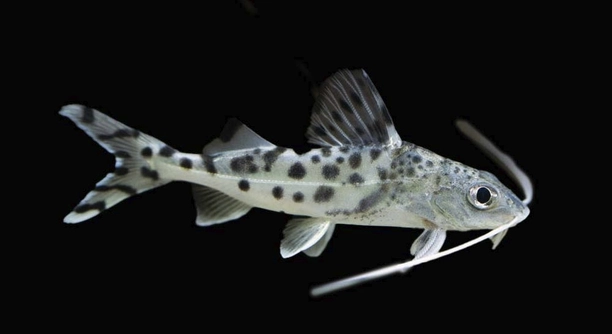
Do you ever find yourself watching your pictus catfish rub against rocks or tank decorations without knowing why it happens?
The primary reason pictus catfish rub on rocks or decorations is due to skin irritation, often caused by external parasites or poor water quality. This behavior serves as an attempt to relieve discomfort or remove irritants.
Learning what triggers this behavior can help you improve your fish’s environment and overall health in the aquarium.
Common Reasons Pictus Catfish Rub Against Surfaces
Pictus catfish may rub on rocks, plants, or decorations for a few key reasons. The most common one is external parasites, like ich or flukes, which irritate the skin and gills. Poor water conditions are another major factor. High ammonia, nitrite, or nitrate levels can lead to discomfort, prompting them to scratch. Sometimes, they react to sudden changes in pH or temperature. It’s also possible that a catfish is simply exploring its environment, though persistent rubbing usually points to something more serious. When this behavior is frequent or paired with other signs—like rapid breathing or faded color—it’s worth investigating right away. Maintaining a consistent and clean aquarium setup is essential. Proper filtration, routine water testing, and quarantining new fish can help prevent these issues from developing. A stable tank creates a safe and stress-free environment, which is key for the health of your pictus catfish.
Scratching due to irritation is often the first visible sign of an underlying problem in your aquarium.
If the rubbing is caused by parasites, you’ll likely see other symptoms such as white spots, flashing, or clamped fins. Ich is especially common and can spread quickly if left untreated. Affected fish might swim erratically or avoid food. Immediate action is important. You’ll want to test your water first to make sure it’s within ideal ranges. If parameters look fine, the next step is to begin treatment. Many over-the-counter parasite medications are available, but be sure they are safe for catfish, as scaleless fish can react poorly to certain ingredients. Always read the labels carefully and follow the recommended dosages. During treatment, increase oxygenation and consider raising the water temperature slightly, as this can speed up the parasite’s life cycle and make treatment more effective. Be patient and continue observing your fish closely during and after the process.
How Water Quality Affects Behavior
Poor water quality is one of the most common reasons for unusual fish behavior, including rubbing or scratching.
Ammonia and nitrite should always be at zero, while nitrates should stay under 40 ppm. If levels rise above this, your catfish may begin to act distressed. Bad water conditions can damage the skin and gills, making fish more prone to infections or parasite infestations. Regular water changes are the simplest way to keep conditions stable. Using a water test kit weekly helps you catch changes early before they affect your fish. Overfeeding is also a big cause of waste buildup, so only feed what your fish can eat within a couple of minutes. Don’t forget to clean your filter and substrate regularly to prevent debris from decaying. A stable environment not only reduces stress but also strengthens your fish’s immune system, helping them fight off potential threats before they take hold. Prevention is always easier than treating a problem later.
Signs That Require Immediate Attention
If your pictus catfish is rubbing often and also showing signs like loss of appetite, heavy breathing, or color changes, it may be a sign of a more serious issue. These symptoms should not be ignored, especially if they appear suddenly.
Check for other fish showing the same behavior or signs. If multiple fish are affected, the problem is likely water-related or contagious. Quarantine any new fish added recently, as they might have introduced parasites or infections. Also look closely at your catfish’s body—tiny white dots, red patches, or a slimy coat are clues something is wrong. Sudden hiding or erratic swimming may also indicate stress or illness. A combination of symptoms is a clearer warning than rubbing alone. Quick action will help reduce the risk of long-term harm and improve recovery chances for your fish.
Begin treatment only after confirming the issue. Start with water testing—check ammonia, nitrite, nitrate, and pH. Even small imbalances can stress your fish. If water conditions look good, treat for external parasites using a medication safe for scaleless fish like pictus catfish. Remove carbon from the filter before starting, as it can absorb the medication. Follow dosage instructions exactly. Increase oxygenation in the tank using an air stone or adjusting water flow. Keep a close eye on the entire tank during treatment. Once rubbing stops and your fish return to normal behavior, continue regular maintenance to prevent a repeat. Staying ahead of the issue is the best way to protect your fish’s health.
Steps to Prevent Future Problems
Keep your tank clean with regular water changes and filter maintenance. A clean tank helps prevent irritation, illness, and stress-related behaviors like rubbing. Always check the water parameters before making any adjustments to avoid sudden changes.
Add new fish only after proper quarantine, ideally for at least two weeks. This helps reduce the risk of bringing parasites or infections into your main tank. Avoid overfeeding, as leftover food can rot and affect water quality. Feed only what your fish can eat in two minutes. Choose soft, rounded decorations instead of sharp or rough surfaces that might scratch sensitive skin. Use a sponge filter or fine net to gently clean surfaces. Finally, keep your tank covered to prevent sudden drafts or temperature changes. Consistent lighting and a quiet environment also help reduce stress. With simple, steady care, your pictus catfish will stay healthy and active without needing to rub for relief.
What to Avoid During Treatment
Avoid using strong medications meant for scaled fish, as pictus catfish are more sensitive and can react badly. Never mix different treatments unless the instructions specifically allow it. Overmedicating can make things worse and may damage the biological balance of your tank.
Do not skip water changes during treatment. Clean water supports recovery and helps the medication work better. Skipping this step can slow down healing and add extra stress to your fish. Stick to your schedule, and always replace water with dechlorinated, temperature-matched water to avoid further shock to your fish.
When Rubbing Is Not a Concern
Occasional rubbing that happens once in a while and doesn’t come with other signs of illness is usually not a reason to worry. Your pictus catfish may be adjusting to a new environment or simply exploring its surroundings. This kind of behavior tends to pass quickly and doesn’t need treatment. Just keep watching your fish over the next few days. If they continue eating, swimming normally, and show no marks on their skin, it’s likely nothing serious. Still, a quick water test can offer peace of mind and help rule out any hidden issues before they start.
When to Seek Professional Help
If symptoms continue after treatment or worsen, it may be time to contact a vet who specializes in fish.
FAQ
Why is my pictus catfish rubbing on decorations but seems healthy otherwise?
Occasional rubbing without any other symptoms could just be normal behavior. Pictus catfish are very active and curious. They explore their environment often, and sometimes they may brush against decorations as they move around. If your fish is eating well, swimming normally, and shows no visible signs of distress like spots, cloudy eyes, or clamped fins, then it’s probably nothing to worry about. However, you should still test your water to make sure all parameters are within a safe range. Clean water helps rule out irritation from chemical imbalances, even if your fish looks healthy.
Can rubbing be caused by stress?
Yes, rubbing can be a response to stress. Stress in fish is often caused by sudden changes in their environment, like a temperature drop, poor water quality, overcrowding, or loud noises near the tank. Even something as simple as new decorations or lighting changes can trigger stress behaviors. If your pictus catfish begins rubbing more than usual, review any recent changes in the tank. Reducing stress often requires small, steady changes rather than big adjustments. A stable environment is always better for their health and behavior.
How can I tell if rubbing is caused by parasites?
Look for additional signs such as small white spots on the body or fins (a common sign of ich), labored breathing, flashing (fast side-to-side swimming), or clamped fins. These signs typically appear along with rubbing when parasites are involved. Your catfish may also stay near the filter or hide more often. If you notice any of these symptoms, begin treatment as soon as possible. Always use parasite treatments labeled as safe for scaleless fish, and remove any carbon from your filter before starting. Early treatment usually leads to better recovery.
Should I isolate a catfish that’s rubbing?
Isolating a fish depends on the situation. If it’s the only fish showing symptoms and you suspect a parasite or infection, a quarantine tank may be helpful. This makes treatment easier and keeps other fish safe. But if multiple fish are showing signs of irritation, the issue is probably related to water quality or something affecting the entire tank. In that case, treating the main tank might be necessary. Always quarantine new fish before adding them to your main tank to prevent the spread of parasites or illness.
What are safe medications for pictus catfish?
Look for medications clearly marked as safe for scaleless or sensitive fish. These fish absorb chemicals differently, and some treatments can burn their skin or damage their gills. Products containing malachite green or copper should be used with caution or avoided unless the label confirms they are safe. Some safer options include formalin-based treatments, salt baths, or herbal-based solutions. Always follow the dosage instructions carefully and avoid mixing medications. Using too much can stress or harm your fish more than help.
Can poor diet cause rubbing behavior?
Not directly, but a poor diet can weaken your fish’s immune system, making them more vulnerable to infections, including parasites. If your fish is undernourished or missing essential nutrients, its ability to fight off common tank problems drops. Over time, this can lead to skin issues or other discomforts that may cause rubbing. Feed a balanced diet with a mix of high-quality pellets, frozen or live protein sources, and occasional vegetable matter. A strong immune system helps prevent many of the problems that lead to rubbing and other stress behaviors.
How often should I test my water if my fish is rubbing?
You should test immediately if you notice unusual behavior like rubbing. Check ammonia, nitrite, nitrate, pH, and temperature. After that, test every few days until your fish returns to normal. Once things stabilize, you can return to testing weekly as part of regular maintenance. Keeping a log of your results can help you spot trends or changes early. Clean, balanced water is the foundation of your fish’s health and can help prevent many issues before they start.
Is sand or gravel better for pictus catfish to reduce rubbing?
Fine, smooth sand is generally better for pictus catfish. These fish have sensitive barbels and tend to dig or swim along the bottom. Rough gravel can irritate or even damage their skin, increasing the chance of stress or injury. Sand is gentler and easier for them to move through naturally. Just make sure to clean it regularly with a siphon to remove waste buildup. A clean, soft substrate can reduce the chance of rubbing due to irritation or injury.
Final Thoughts
Pictus catfish are active, curious fish that often explore their surroundings. While occasional rubbing against rocks or decorations can be normal, frequent or intense rubbing usually means something is wrong. This behavior is often linked to skin irritation caused by poor water quality or external parasites. Paying attention to these early signs is important because they give you a chance to take action before things get worse. Regular observation, clean water, and stable tank conditions go a long way in preventing problems. These small steps make a big difference in keeping your catfish healthy and stress-free.
It’s also important to know what to look for when rubbing becomes a concern. If you notice rubbing along with white spots, clamped fins, or your fish acting differently—like hiding more or skipping meals—it’s likely more than just harmless behavior. Testing your water should always be your first step. High ammonia, nitrite, or even big shifts in temperature can all cause stress and irritation. If the water looks fine, the next step is to treat for external parasites. Just make sure the product you choose is safe for scaleless fish. Follow the directions carefully and keep a close watch during treatment. Catching issues early often leads to a better outcome.
Maintaining a healthy tank doesn’t have to be complicated. Keep a regular schedule for water changes, avoid overfeeding, and always quarantine new fish before adding them to your tank. Choose smooth decorations and soft substrate to reduce the risk of injury or irritation. Feeding a balanced diet will also support your catfish’s immune system and help them stay strong. Most important of all, stay consistent. Sudden changes in tank conditions are one of the main reasons fish become stressed or ill. A stable, clean environment is the best way to reduce the chances of rubbing and other signs of discomfort. Over time, you’ll get used to your catfish’s normal behavior, which makes it easier to spot when something feels off. Being a little more aware and prepared can help your fish live a longer, healthier life.

Hello,
If you enjoy the content that we create, please consider saying a "Thank You!" by leaving a tip.
Every little bit helps us continue crafting quality advice that supports the health, happiness, and well-being of pets around the world, for pets of all shapes, sizes, and species.
We really appreciate the kindness and support that you show us!