
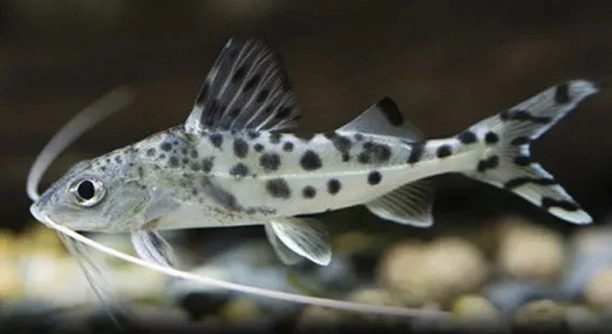
Pictus catfish are popular freshwater fish known for their active nature and unique appearance. They enjoy having places to hide and feel secure in their environment. Knowing their favorite hiding spots can improve their well-being and comfort.
Pictus catfish prefer hiding spots that provide shelter and safety, such as caves, dense plants, driftwood, and rock crevices. These environments help reduce stress and mimic their natural habitats, allowing them to feel secure and protected.
Understanding these preferred hiding spots can help create a better home for your pictus catfish and keep them healthy and happy.
Caves and Caverns
Caves and caverns are some of the most favored hiding spots for pictus catfish. These fish naturally seek out enclosed spaces where they feel safe from predators and can rest during the day. You can provide caves using ceramic or resin decorations designed for aquariums. Driftwood pieces with hollow spaces also work well as natural caves. The key is to ensure the hiding spot is large enough for your catfish to enter comfortably but small enough to give them a sense of protection. Many hobbyists find that adding multiple caves at different spots in the tank helps reduce stress and encourages natural behavior. The dim, enclosed environment mimics the shadows and shelters found in their native rivers, making these spots very inviting for pictus catfish.
When choosing or creating caves, smooth edges are important to prevent injury. Avoid rough or sharp surfaces.
Multiple caves spread through the tank encourage exploration while offering secure resting places. This setup helps pictus catfish feel more confident and less exposed.
Dense Plant Areas
Dense plant areas offer excellent cover and hiding spots for pictus catfish. In the wild, these fish often hide among thick vegetation to avoid threats and hunt smaller prey. In an aquarium, planting a mix of floating plants and rooted greenery creates natural shelters. Pictus catfish appreciate the security plants provide because they break the line of sight and offer shade, which reduces stress. Live plants also improve water quality by absorbing nitrates and releasing oxygen, supporting a healthier environment overall.
Providing a variety of plants with different heights and leaf shapes mimics natural conditions better. Choose sturdy plants like java fern, anubias, or hornwort that can withstand the activity of active fish. Floating plants like duckweed add soft cover near the water surface. This layered planting style creates cozy zones for pictus catfish to explore and hide.
Dense plant clusters also encourage natural hunting behaviors, as small insects and microorganisms often live around roots and leaves. This enriches the tank environment and helps your fish stay engaged. Regular trimming keeps plants healthy and prevents overcrowding, maintaining a balanced habitat that supports your catfish’s need for shelter and security.
Driftwood Hiding Spots
Driftwood provides natural cover and secure hiding places for pictus catfish. Its irregular shapes create shaded crevices that fish love.
Driftwood mimics the natural river environments where pictus catfish live. It offers not only hiding spots but also surfaces for beneficial bacteria to grow, which helps maintain water quality. Over time, the wood can release tannins, slightly tinting the water and lowering its pH, which some catfish prefer. Choose smooth, aquarium-safe driftwood to avoid harming your fish. Position it to create caves or sheltered gaps where your catfish can retreat easily. The natural texture and appearance of driftwood make it both functional and decorative in your tank.
Cleaning driftwood regularly prevents algae buildup and decay. Soaking new pieces before adding them to the tank removes excess tannins. Driftwood paired with plants or rocks can form complex hiding areas that make pictus catfish feel protected and comfortable.
Rock Crevices
Rock crevices form tight, secure spaces where pictus catfish can hide from light and activity. These crevices resemble their native rocky riverbeds.
Stacking smooth, aquarium-safe rocks can create multiple crevices and caves. Avoid sharp edges to prevent injury. The rocks also add natural aesthetics and stabilize the tank environment. Rock formations combined with caves and plants provide diverse options for your catfish to explore and rest. These spaces reduce stress and encourage natural nocturnal activity. When placing rocks, ensure the structure is stable and won’t collapse, which could harm your fish. Rock crevices offer more solid, cooler hiding areas compared to plants or driftwood, appealing to catfish looking for firm shelter.
Regularly check rock stacks to maintain stability. Adding moss or algae on rocks can enhance the natural feel and offer additional microhabitats for small organisms that fish might find interesting. This layered environment supports the health and happiness of pictus catfish in your aquarium.
PVC Pipes and Artificial Hiding Spots
PVC pipes are a popular, inexpensive option for creating hiding spots in aquariums. They offer safe, dark spaces that pictus catfish enjoy.
These artificial shelters can be easily cleaned and arranged to fit your tank’s layout. They provide consistent, durable hiding places that won’t degrade over time.
Leaf Litter and Substrate Cover
Leaf litter mimics the natural riverbed environment by creating soft, shaded cover on the substrate. It offers a cozy hiding place and helps create a natural look in the tank.
Using dried Indian almond leaves or other safe leaves adds tannins and encourages beneficial bacteria growth. This enriches the water quality and gives your catfish more natural shelter options.
Floating Plants
Floating plants offer shade and partial cover at the water’s surface. They help reduce light intensity and create a calming environment for pictus catfish.
These plants also provide additional oxygen and absorb excess nutrients, improving water quality and overall tank health.
FAQ
What kind of hiding spots do pictus catfish prefer most?
Pictus catfish prefer places that offer shelter and security. Natural caves, dense plants, driftwood, and rock crevices rank high on their list. These spots mimic their natural habitat, helping them feel safe and less stressed. Enclosed spaces with dim lighting are ideal since these fish are nocturnal and shy during the day.
How important are hiding spots for pictus catfish?
Hiding spots are very important for pictus catfish. Without secure places to retreat, they can become stressed and shy, which may affect their health. Stress weakens their immune system and can lead to illness. Providing multiple hiding spots supports their natural behavior and improves their overall well-being in the aquarium.
Can artificial hiding spots replace natural ones?
Artificial hiding spots like PVC pipes and ceramic caves can be good alternatives when natural materials aren’t available or practical. They offer consistent shelter and are easy to clean. However, natural materials like driftwood and plants add benefits such as improved water quality and a more natural environment, which are harder to replicate with artificial items.
How do I maintain hiding spots to keep them safe?
Regular cleaning is essential to prevent algae buildup and decay, especially on natural materials like driftwood and plants. Check for sharp edges or broken pieces that could injure your fish. Secure rock stacks and decorations to avoid collapse. Soaking new driftwood before adding it helps reduce excess tannins that could discolor the water.
Can hiding spots affect tank water quality?
Yes, natural hiding spots like driftwood and leaf litter release tannins that slightly lower pH and soften the water, which pictus catfish often prefer. Plants help absorb nitrates and produce oxygen, supporting better water quality. Artificial spots do not affect water chemistry but still offer valuable shelter.
How many hiding spots should I provide?
It’s best to offer multiple hiding spots spread throughout the tank. This gives pictus catfish options and encourages natural exploration. A mix of caves, plants, and crevices at different levels helps them feel secure and reduces competition between fish for shelters.
Do pictus catfish use hiding spots during the day only?
They mainly use hiding spots during the day because they are nocturnal. During daylight hours, they rest in secure places to avoid bright light and potential threats. At night, they become active and swim around, hunting and exploring the tank.
Can other fish share the same hiding spots?
Other peaceful tank mates can share hiding spots, but overcrowding should be avoided. Pictus catfish appreciate enough space to claim their own shelter. Aggressive or territorial fish may compete for hiding places, causing stress.
Are floating plants necessary for pictus catfish hiding?
Floating plants are not necessary but highly beneficial. They provide shade, soften the tank’s lighting, and create a calming environment. This helps pictus catfish feel less exposed. Floating plants also improve water quality by absorbing excess nutrients.
What should I avoid when creating hiding spots?
Avoid sharp or rough surfaces that could injure your catfish. Don’t overcrowd the tank with decorations, as this reduces swimming space. Be cautious of materials that may leach harmful substances. Always use aquarium-safe items and regularly inspect hiding spots for damage or algae buildup.
Final Thoughts
Creating a comfortable environment for pictus catfish means understanding their need for good hiding spots. These fish rely on secure places to feel safe and reduce stress. When they have the right shelters, they show more natural behavior and stay healthier. It is important to provide a variety of hiding options in the aquarium, such as caves, plants, driftwood, and rocks. Each type offers different benefits, so mixing them can give your catfish choices to suit their mood and needs.
Natural materials like driftwood and plants not only serve as hiding spots but also help improve water quality. They create a more balanced environment by releasing tannins or absorbing excess nutrients. On the other hand, artificial options like PVC pipes and ceramic caves are easy to maintain and can fit well in most tanks. When choosing or setting up hiding places, make sure they are safe, stable, and free from sharp edges. Regular cleaning and upkeep of these spots are necessary to keep your fish healthy and comfortable.
Keeping pictus catfish happy and stress-free often comes down to how well you replicate their natural habitat. Their preference for shaded, sheltered areas means you should think about light levels and the arrangement of hiding spots. A tank with multiple hiding places encourages exploration and provides security during resting periods. This balance supports your fish’s well-being and helps them thrive in captivity. Taking time to create thoughtful hiding spots is a small effort that makes a big difference for your pictus catfish.

Hello,
If you enjoy the content that we create, please consider saying a "Thank You!" by leaving a tip.
Every little bit helps us continue crafting quality advice that supports the health, happiness, and well-being of pets around the world, for pets of all shapes, sizes, and species.
We really appreciate the kindness and support that you show us!