
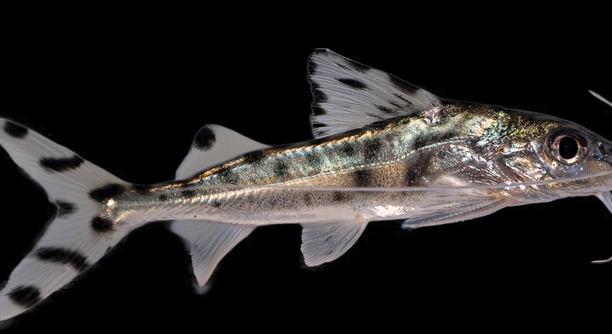
Is your Pictus Catfish breathing heavily in its tank? This common concern among aquarium owners often signals that something might be off with your fish’s environment or health. Recognizing the reasons behind this behavior can help you provide better care.
Heavy breathing in Pictus Catfish is typically caused by stress, poor water quality, low oxygen levels, disease, or improper tank conditions. Each factor affects the fish’s ability to extract oxygen efficiently, leading to increased respiratory effort.
Knowing these causes will help you identify potential problems and improve your catfish’s well-being in your aquarium. The following points explain why your fish may be struggling to breathe comfortably.
Poor Water Quality
Poor water quality is one of the most common reasons your Pictus Catfish might be breathing heavily. When ammonia, nitrites, or nitrates build up in the tank, it creates a toxic environment that stresses your fish. This stress forces your catfish to breathe harder to get enough oxygen. Dirty water can also lead to bacterial or fungal infections, further affecting your fish’s health. Regular water changes and proper filtration are essential to keep the tank clean and safe. Testing the water regularly helps you spot problems before they get worse. Avoid overfeeding, as leftover food can decay and worsen water quality. A well-maintained tank supports your catfish’s breathing and overall well-being, preventing many health issues.
Consistent water monitoring and maintenance can prevent oxygen depletion and toxic buildup. Clean water helps your fish breathe normally and stay healthy.
Ensuring stable water conditions requires checking parameters like pH, ammonia, nitrites, and nitrates weekly. Using a reliable test kit makes this easier. If water quality is poor, perform partial water changes and clean the filter to improve conditions quickly. Avoid sudden changes, as they stress the fish further. Maintaining a balanced environment keeps your Pictus Catfish comfortable and breathing easily.
Low Oxygen Levels
Low oxygen levels can cause your Pictus Catfish to breathe heavily. This often happens in tanks without enough water movement or surface agitation. Poor aeration means less oxygen is available for your fish, making it difficult for them to breathe.
When oxygen is low, fish increase their breathing rate to compensate. This is a sign that your tank’s environment needs improvement. Adding an air stone or adjusting the filter output can increase water circulation and oxygen levels. Keeping live plants in the aquarium also helps produce oxygen during the day. Be cautious about overcrowding, as too many fish can quickly reduce available oxygen. Monitoring oxygen and providing proper aeration ensures your Pictus Catfish stays comfortable and less stressed.
Stress and Illness
Stress is a significant factor that can cause heavy breathing in Pictus Catfish. Changes in tank conditions, aggressive tank mates, or sudden noise can stress your fish. Stress weakens their immune system, making them more susceptible to diseases, which often affect their breathing.
Diseases such as gill parasites, bacterial infections, or fungal infections can damage gills, making oxygen exchange difficult. You may notice your catfish gasping at the surface or hiding more than usual. Observing your fish’s behavior and appearance helps detect illness early. Quarantining new fish before adding them to the main tank reduces the risk of introducing disease. If your catfish shows signs of sickness, consult a veterinarian or aquarium specialist for treatment options.
Providing a stable environment and minimizing stress triggers will help your catfish breathe normally. Regular tank maintenance, gentle handling, and compatible tank mates contribute to your fish’s health and comfort.
Overcrowding
Overcrowding in your aquarium reduces oxygen availability and increases waste buildup. This creates stress and heavy breathing in your Pictus Catfish. Keeping the right number of fish is crucial for their health.
Too many fish in one tank compete for limited oxygen and resources. Waste from overcrowding leads to higher ammonia and nitrate levels, worsening water quality and causing additional stress. Your catfish may struggle to breathe properly as a result. Overcrowded tanks also increase the risk of disease spread among fish. Ensuring adequate space per fish helps maintain balanced water conditions and reduces stress.
A properly stocked tank allows your Pictus Catfish to breathe easily and lowers the chances of illness. Regularly assess the number of fish and adjust accordingly. Providing enough room keeps your fish comfortable and promotes healthier behavior.
Improper Tank Conditions
Incorrect tank temperature or pH levels can impact your catfish’s breathing. These conditions affect metabolism and oxygen use. Monitoring and maintaining stable parameters are essential.
If the water temperature is too high, oxygen levels drop, forcing your fish to breathe faster. Low temperatures slow metabolism but may also stress the fish. Pictus Catfish prefer temperatures between 74-79°F (23-26°C) and a pH of 6.5 to 7.5. Fluctuations outside this range can cause discomfort and heavy breathing. Using a reliable thermometer and test kits helps keep these conditions steady.
Proper tank conditions reduce stress and support efficient oxygen use. Regular checks and gradual adjustments protect your Pictus Catfish from unnecessary breathing difficulties and health issues.
Gill Damage
Gill damage directly impacts your Pictus Catfish’s ability to breathe properly. Injuries or infections can make breathing laborious and cause heavy gasping at the surface.
Physical damage may come from sharp decorations or aggressive tank mates. Infections also harm gill tissue, reducing oxygen intake.
High Ammonia Levels
Ammonia is toxic to fish and can build up quickly in tanks with poor maintenance. Even low ammonia concentrations irritate gills, causing heavy breathing and stress. Frequent water changes and proper filtration prevent ammonia spikes and keep your catfish comfortable.
Lack of Hiding Spots
Pictus Catfish feel safer with places to hide. Without shelter, they become stressed, which can increase breathing rates. Providing caves, plants, or decorations gives your fish security and reduces stress-related heavy breathing.
FAQ
Why is my Pictus Catfish breathing heavily after a water change?
Heavy breathing after a water change is often due to sudden changes in water parameters like temperature, pH, or hardness. Your catfish needs time to adjust to the new environment. To reduce stress, perform gradual water changes using water that closely matches the tank’s conditions.
Can low oxygen cause my catfish to gasp at the surface?
Yes, low oxygen levels in the tank make your catfish breathe harder, sometimes gasping at the surface where oxygen is higher. Increasing aeration with an air stone or better water circulation usually helps improve oxygen levels and ease breathing.
How often should I test my aquarium water?
Testing water at least once a week is best to catch harmful changes early. Check parameters like ammonia, nitrite, nitrate, pH, and temperature. Keeping these stable prevents stress and breathing problems in your catfish.
Is heavy breathing a sign of disease?
Heavy breathing can be a symptom of diseases like gill parasites, bacterial infections, or fungal infections. These conditions damage gills or affect oxygen absorption. Look for other signs like lethargy, loss of appetite, or abnormal swimming. Early diagnosis helps treatment.
Can stress cause heavy breathing in Pictus Catfish?
Stress from overcrowding, aggressive tank mates, or sudden environmental changes often causes heavy breathing. Stress lowers immunity and can lead to illness. Providing hiding spots, proper tank mates, and stable conditions reduces stress and improves breathing.
How can I improve oxygen levels in my tank?
Improving oxygen involves increasing water movement and surface agitation. Use air stones, increase filter flow, or add a water pump. Live plants can also help produce oxygen during daylight hours. Avoid overcrowding, which decreases oxygen availability.
What is the ideal tank size for a Pictus Catfish?
Pictus Catfish need at least a 30-gallon tank to have enough space and oxygen. Smaller tanks tend to get overcrowded and have unstable water parameters, leading to stress and breathing problems.
Could water temperature affect my catfish’s breathing?
Yes, water that is too warm reduces oxygen levels and forces your catfish to breathe heavily. Temperatures between 74-79°F (23-26°C) are ideal. Use a reliable heater and thermometer to maintain steady temperature.
What should I do if I suspect gill damage?
If you notice your catfish breathing heavily with reddened or swollen gills, remove sharp objects from the tank and isolate aggressive fish. Consult a vet or aquatic specialist for treatment, which may include medications for infections.
How important is tank cleaning for my catfish’s breathing?
Regular tank cleaning removes waste that produces harmful chemicals like ammonia. Clean tanks prevent gill irritation and oxygen depletion. Perform partial water changes weekly and clean the filter as recommended to maintain a healthy environment.
Are there signs that my catfish is recovering from heavy breathing?
Yes, normal breathing rates, active swimming, and eating well indicate recovery. Your catfish will seem more relaxed and explore the tank rather than hiding or gasping at the surface. Consistent care supports this improvement.
Heavy breathing in your Pictus Catfish is a clear sign that something in its environment needs attention. Whether it’s poor water quality, low oxygen, stress, or illness, addressing the root cause is important for your fish’s health. Keeping the tank clean, maintaining stable water parameters, and ensuring enough space all contribute to a comfortable home where your catfish can breathe easily. Regular monitoring and care can prevent many common problems before they become serious.
Sometimes, heavy breathing can be linked to temporary changes, such as water adjustments or minor stress. However, if the behavior continues or worsens, it’s important to look deeper. Diseases affecting the gills or other internal issues may require specific treatment. Watching your fish closely for other symptoms like lethargy or loss of appetite will help you decide when to seek expert advice. Early intervention is often the key to a full recovery.
Overall, creating a stable and healthy environment is the best way to keep your Pictus Catfish breathing normally. Simple steps like testing water regularly, avoiding overcrowding, and providing hiding spots reduce stress and improve well-being. Your care and attention directly impact your fish’s comfort and longevity. By staying observant and proactive, you can enjoy a lively and healthy Pictus Catfish in your aquarium for years to come.

Hello,
If you enjoy the content that we create, please consider saying a "Thank You!" by leaving a tip.
Every little bit helps us continue crafting quality advice that supports the health, happiness, and well-being of pets around the world, for pets of all shapes, sizes, and species.
We really appreciate the kindness and support that you show us!