
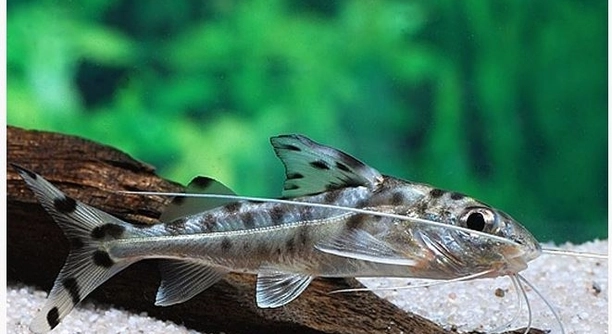
Pictus catfish are popular in home aquariums for their peaceful nature and attractive appearance. Many hobbyists want their catfish to grow quickly and stay healthy. Knowing the right foods to feed them can make a significant difference in their development.
Providing a balanced diet rich in protein, vitamins, and minerals is essential for faster growth in pictus catfish. Foods such as live or frozen bloodworms, brine shrimp, and high-quality pellets support their nutritional needs and promote healthy growth rates.
Choosing the right diet helps ensure your catfish thrive in any aquarium setting. The following foods are proven to support their growth effectively.
High-Protein Foods for Faster Growth
Pictus catfish need a diet high in protein to support their rapid growth and muscle development. Live or frozen bloodworms and brine shrimp are excellent sources of protein that mimic their natural diet. These foods help improve their energy levels and strengthen their immune systems. Including protein-rich pellets designed for carnivorous fish can also provide balanced nutrition without much hassle. Feeding small portions multiple times a day ensures they get enough nutrients without overfeeding, which can harm water quality. A proper feeding routine combined with quality food helps maintain their health and speeds up growth. Avoid relying solely on flakes, as they usually lack sufficient protein for pictus catfish. Instead, a varied diet with high-protein options will keep them active and growing well in the aquarium environment.
Protein is vital for muscle growth, so prioritize feeding protein-rich foods like bloodworms and pellets regularly to encourage healthy development.
Maintaining a consistent supply of protein-packed foods ensures your catfish grow steadily. Live and frozen options stimulate natural feeding behavior, while pellets offer convenience. Balancing these foods helps meet nutritional needs and avoids monotony. This approach supports their vitality and growth while keeping them interested in feeding. Regular feeding schedules and portion control prevent waste and water contamination. By paying attention to these details, you promote a strong, healthy pictus catfish with faster growth rates.
Vegetables and Plant Matter in the Diet
Vegetables are a useful supplement in the diet of pictus catfish. They offer fiber and essential vitamins that help with digestion and overall health.
Including plant matter like blanched zucchini, spinach, or peas adds nutritional variety. These vegetables provide vitamins and minerals that support bodily functions and improve digestion. While pictus catfish primarily eat protein, small amounts of vegetables can prevent constipation and promote a balanced diet. Introducing plant matter gradually is important to observe how your catfish react. Some individuals may prefer protein-heavy meals, but offering vegetables occasionally can enhance their health. Blanching vegetables softens them, making it easier for the catfish to eat. Avoid overfeeding vegetables, as this can lead to water quality problems. Moderation and variety are key to a well-rounded diet for pictus catfish. This careful inclusion helps maintain their energy and digestive health alongside protein-rich foods.
Frozen Foods for Convenient Nutrition
Frozen foods like bloodworms, brine shrimp, and daphnia offer convenience and high nutrition. They are easy to store and provide important nutrients that support growth. These foods maintain most of their nutrients when frozen, making them a reliable choice for pictus catfish diets.
Using frozen foods regularly adds variety and helps mimic natural prey. Thaw them before feeding to ensure they are safe and easy to eat. Frozen options reduce the risk of introducing parasites compared to live food. They are also less messy than live options, keeping your tank cleaner. Feeding small portions prevents leftovers from fouling the water. Incorporating frozen foods alongside pellets creates a balanced diet that encourages healthy growth. This method works well for those who want to provide quality nutrition without constant live food sourcing.
Frozen foods can be an excellent supplement for pictus catfish. They offer a mix of essential proteins and nutrients while being simple to prepare. Combining frozen items with high-quality pellets keeps the diet varied and appealing. This variety prevents boredom and ensures the fish get the nutrients they need for proper development. Frozen food feeding fits well into regular aquarium care routines, supporting steady growth and health.
High-Quality Pellets for Daily Feeding
High-quality pellets are a practical staple for feeding pictus catfish. These pellets are formulated to meet the nutritional requirements of carnivorous fish, providing protein, vitamins, and minerals necessary for growth and health. Feeding pellets daily helps maintain consistent nutrition and supports long-term development.
Selecting pellets with natural ingredients and no fillers improves digestion and absorption of nutrients. It’s important to choose pellet size appropriate for your catfish to avoid choking or waste. Feeding pellets alongside live or frozen foods balances diet quality and feeding convenience. Regular feeding of pellets can reduce the stress of searching for live food and simplifies aquarium maintenance. Monitoring how your catfish responds to pellets helps adjust feeding amounts and frequency to optimize growth while keeping water conditions stable.
Live Foods to Encourage Natural Feeding
Live foods like worms, insect larvae, and small crustaceans stimulate natural hunting behavior. They are rich in nutrients and encourage activity, which supports muscle development and faster growth.
Offering live foods occasionally boosts appetite and provides essential proteins. These foods also increase variety and keep your pictus catfish engaged during feeding times.
Importance of Water Quality for Growth
Clean, well-maintained water is critical for pictus catfish growth. Poor water conditions stress the fish and slow their development. Regular water changes, proper filtration, and monitoring parameters such as ammonia, nitrite, and nitrate levels ensure a healthy environment. Stable temperatures between 75°F and 80°F also promote metabolism and digestion. Keeping water quality high reduces disease risk and supports the immune system, allowing your catfish to grow faster and stay healthy. Neglecting water care can lead to poor feeding habits and stunted growth, making water maintenance a key part of successful pictus catfish care.
Avoid Overfeeding
FAQ
What are the best foods to help pictus catfish grow faster?
The best foods are those rich in protein, such as live or frozen bloodworms, brine shrimp, and high-quality carnivore pellets. These foods provide essential nutrients that support muscle growth and overall health. Including a mix of these options ensures a balanced diet for faster development.
How often should I feed my pictus catfish?
Feeding small portions two to three times daily works well. Frequent feeding prevents overeating and reduces water pollution. It also keeps the fish energized and supports steady growth without causing digestive issues.
Can I feed only pellets to my pictus catfish?
Pellets can be a daily staple if they are high-quality and protein-rich. However, supplementing pellets with live or frozen foods is important to provide variety and stimulate natural feeding behavior, which supports better growth and health.
Are vegetables necessary in their diet?
While pictus catfish are mainly carnivorous, small amounts of blanched vegetables like zucchini or peas can help digestion and provide vitamins. These should only be given occasionally to avoid water quality problems.
Is live food better than frozen food?
Live food encourages natural hunting and is very nutritious, but it can carry parasites or bacteria. Frozen food is safer and convenient while maintaining most nutrients. Using both types offers a balanced feeding approach.
How does water quality affect growth?
Poor water quality stresses fish and slows growth. Keeping ammonia, nitrite, and nitrate levels low, performing regular water changes, and maintaining stable temperatures are essential to support metabolism and immune health.
What size pellets are suitable for pictus catfish?
Choose pellets that fit easily in your catfish’s mouth. Smaller pellets reduce choking risks and waste. As the fish grow, you can gradually increase pellet size to match their needs.
Can overfeeding harm my pictus catfish?
Yes, overfeeding causes uneaten food to pollute the water, leading to poor water quality and disease. It can also cause obesity and digestive problems in the fish, affecting growth negatively.
How do I introduce new foods to my pictus catfish?
Introduce new foods gradually alongside their regular diet. Observe their reaction and adjust quantities. Mixing new items with familiar foods helps reduce stress and encourages acceptance.
Do pictus catfish eat flakes?
Flakes are not ideal because they usually lack sufficient protein for pictus catfish. If used, flakes should only be occasional supplements combined with higher-protein foods.
Can feeding live food cause diseases?
Live food can carry parasites or bacteria if not sourced or handled properly. It’s safer to quarantine live food or use frozen alternatives to minimize risk.
Is it necessary to feed variety?
Yes, a varied diet prevents nutritional gaps and keeps your catfish interested in feeding. Combining pellets, frozen, live foods, and occasional vegetables ensures balanced growth and health.
How do I prevent food waste in the tank?
Feed small amounts at a time and remove leftovers after 5-10 minutes. This practice maintains water quality and reduces the chance of illness caused by decaying food.
What are signs of poor nutrition in pictus catfish?
Signs include slow growth, dull color, lethargy, and reduced appetite. If you notice these, review their diet and water conditions to make necessary improvements.
Can supplements help my catfish grow faster?
Some vitamin and mineral supplements can aid health but are usually unnecessary if the diet is balanced. Overuse of supplements can cause harm, so use them only when recommended by an expert.
Final Thoughts
Feeding pictus catfish the right foods plays a major role in their growth and overall health. A diet rich in protein from sources like bloodworms, brine shrimp, and high-quality pellets provides the essential nutrients they need. Including a variety of foods ensures they get balanced nutrition and stay interested in feeding. Vegetables can be offered occasionally to support digestion, but protein should remain the main focus. Consistency in feeding routines and portion control helps prevent overfeeding and keeps water conditions stable, both of which are important for healthy growth.
Water quality is just as important as diet when it comes to helping pictus catfish grow faster. Clean water reduces stress and the risk of disease, allowing the fish’s body to focus on development. Regular water changes, proper filtration, and monitoring water parameters are necessary to maintain a healthy tank environment. Stable temperature and low toxin levels support metabolism and immune function. Neglecting water care can slow growth and cause health problems, even with the best diet. It is essential to balance feeding with proper tank maintenance to achieve the best results.
In summary, promoting faster growth in pictus catfish involves a combination of feeding them a balanced, protein-rich diet and maintaining excellent water quality. Using a mix of live, frozen, and pellet foods adds variety and nutrition. Monitoring feeding habits and tank conditions will help avoid common problems like overfeeding and poor water quality. By paying attention to these details, you support your catfish’s health and development over time. This approach creates a thriving environment where your pictus catfish can grow strong and live well.

Hello,
If you enjoy the content that we create, please consider saying a "Thank You!" by leaving a tip.
Every little bit helps us continue crafting quality advice that supports the health, happiness, and well-being of pets around the world, for pets of all shapes, sizes, and species.
We really appreciate the kindness and support that you show us!