
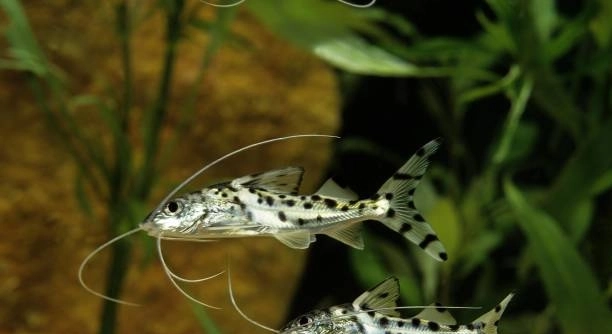
Have you ever found yourself adjusting your aquarium and wondering how often water changes might affect your pictus catfish? These small, energetic fish need special care to stay healthy and stress-free in their environment.
Pictus catfish can handle frequent water changes if done correctly and gradually. Sudden or drastic shifts in water parameters can cause stress, but consistent, partial changes help maintain water quality and support their overall health.
Understanding how water changes affect your pictus catfish can help you build a stable, thriving habitat that keeps them active and stress-free.
How Often Should You Change Water for Pictus Catfish?
Pictus catfish thrive in clean, well-maintained aquariums, so regular water changes are important. A good routine is changing 20–30% of the water every week. This helps remove waste, balance nutrients, and keep the water safe for your fish. These catfish are sensitive to poor water quality, so staying consistent with water changes supports their health and activity levels. Avoid large water changes that may shock them. Stick to partial changes and use a gravel vacuum to remove debris from the substrate. Always make sure the new water is treated and has a similar temperature to avoid stressing them. Monitoring water parameters like ammonia, nitrite, and nitrate also helps in deciding how often to change the water. Clean water encourages better behavior and reduces the risk of disease. If your tank is overcrowded or heavily stocked, you may need to change water more often to keep levels in check.
Clean water supports better swimming, feeding, and general activity in pictus catfish.
Frequent small water changes help keep your fish healthier than doing large ones less often. Their immune systems respond better to stability. Making this part of your routine will prevent many problems before they start.
What Happens If You Change the Water Too Often?
Too many water changes, especially large or rushed ones, can disrupt your tank’s balance and stress your pictus catfish.
Over-cleaning or changing more than 50% of the water often can remove helpful bacteria that break down fish waste. This bacteria lives in the filter and gravel, and too much cleaning can disturb their colonies. Without them, ammonia and nitrite levels can spike, leading to health issues for your pictus catfish. These fish are peaceful but skittish, and unstable conditions make them hide more and eat less. Water that’s too different in temperature or pH can also lead to stress. A stressed fish may develop a weaker immune system, making it more likely to get sick. It’s better to change smaller amounts of water more frequently and allow your tank’s system to stay stable. Keep your filters running properly, and rinse them in tank water during maintenance to protect the beneficial bacteria inside.
Signs Your Pictus Catfish Is Stressed from Water Changes
Pictus catfish may hide more, swim erratically, or stop eating when stressed by frequent or harsh water changes. You may also notice them breathing faster or staying near the bottom more than usual. These are signs the change was too sudden.
When water conditions shift too quickly, pictus catfish can become overwhelmed. Their natural instinct is to find cover, which is why they may retreat to decorations or corners. Erratic swimming, especially sudden darting or rubbing against surfaces, shows discomfort with the water quality. Loss of appetite is another strong signal. If water parameters like temperature or pH vary greatly during a change, the fish can’t adjust easily, which triggers these behaviors. Keeping a stable, slow-paced maintenance routine helps avoid this. Testing water before and after changes gives a clear picture of what your fish are experiencing. Addressing issues early keeps stress from becoming illness.
Mild stress can pass with time, but continued signs suggest something is wrong. If changes are too frequent or the tank isn’t cycled properly, the fish may face long-term problems. Keeping track of their behavior, along with testing water regularly, gives useful clues. Aim for gradual adjustments and always condition new water to match tank conditions.
Best Practices for Safe Water Changes
Always use dechlorinated water that closely matches the temperature of your tank water. Avoid removing more than 30% at a time unless absolutely necessary. Use a gravel vacuum during changes to clear waste without disturbing too much of the substrate.
Start by preparing the new water in a separate container, letting it sit to reach room temperature if needed. Use a water conditioner to remove chlorine and chloramine. Test the water’s pH and temperature before adding it to the tank. Never pour cold or untreated water directly into the tank, as it shocks the fish and interrupts beneficial bacteria. During the change, clean the gravel gently and avoid over-cleaning filter media. If you must clean the filter, rinse it in old tank water—not tap water. Stick to a weekly or bi-weekly schedule to build a stable environment. Consistency reduces the chance of stress or illness and helps pictus catfish stay active and healthy.
How to Tell If Your Water Changes Are Helping
If your pictus catfish are active, eating well, and showing clear eyes and smooth swimming, the water changes are helping. Consistent behavior and stable water test results are good signs that your maintenance routine is supporting their health.
Clean tanks with no cloudy water or bad smells also show water changes are working. A healthy tank should look clear, with fish moving around calmly and showing interest during feeding times.
Common Mistakes to Avoid
One common mistake is changing too much water too fast. This can shock your fish and remove beneficial bacteria. Skipping water conditioner or adding cold water directly to the tank also causes problems. Avoid over-cleaning gravel and filters during routine maintenance, as this disrupts your tank’s balance.
Final Tip to Keep in Mind
Stick to small, regular water changes and match the new water’s conditions closely. This helps your pictus catfish stay healthy, active, and stress-free.
How often should I change the water for my pictus catfish?
A good rule of thumb is to change about 20–30% of the water every week. This keeps the water clean without shocking the fish. Smaller, regular changes maintain stable water parameters, which pictus catfish need to stay healthy and active. Larger changes or infrequent water replacements can cause stress or illness.
Can I change more than 30% of the water at once?
It’s not recommended to change more than 30% regularly because it can disrupt the tank’s balance. Large water changes remove beneficial bacteria and cause sudden shifts in water chemistry. Only do big water changes if there is an emergency, such as high ammonia levels or contamination, and then follow up with smaller, frequent changes to recover.
What temperature should the new water be?
The new water should closely match your tank’s temperature. Pictus catfish prefer water around 74-79°F (23-26°C). Sudden temperature differences stress fish and can cause illness. Always check the temperature of the replacement water before adding it to the tank and adjust it if needed.
Is it necessary to use a water conditioner?
Yes, always use a water conditioner to remove chlorine and chloramine from tap water. These chemicals are harmful to fish. Water conditioners also detoxify heavy metals sometimes present in tap water. Skipping this step risks your pictus catfish’s health and can cause severe stress or death.
How do I test water parameters after a change?
Use aquarium test kits to measure ammonia, nitrite, nitrate, pH, and temperature regularly. After a water change, test the water to ensure levels are within safe limits. Ammonia and nitrite should be zero, nitrate below 20 ppm, and pH around 6.5 to 7.5 for pictus catfish.
What if my pictus catfish hides after a water change?
It’s normal for pictus catfish to hide for a short time after a water change, especially if it was large or rapid. They may be adjusting to the new conditions. If hiding lasts more than a few days or is combined with other symptoms, it may indicate stress or water quality issues.
Can I use tap water directly for changes?
No, never add tap water directly to your aquarium without treatment. Tap water contains chlorine or chloramine, which are toxic to fish. Always treat tap water with a proper conditioner and allow it to reach the correct temperature before adding it to the tank.
How can I avoid stressing my pictus catfish during water changes?
Perform water changes slowly and regularly. Match water temperature and parameters closely. Use gentle water removal and replacement techniques, like a siphon or gravel vacuum. Avoid disturbing the fish too much and keep the environment calm during maintenance.
Should I clean the filter every time I change the water?
No, do not clean the filter fully with every water change. Beneficial bacteria live in the filter and help break down waste. Rinsing the filter media gently in old tank water during some water changes is enough. Over-cleaning can harm these bacteria and destabilize the tank.
How does water quality affect pictus catfish behavior?
Poor water quality causes stress, illness, and abnormal behavior in pictus catfish. They may hide, swim erratically, or lose appetite if ammonia or nitrite levels rise. Clean, stable water encourages active swimming, normal feeding, and healthy growth. Maintaining good water quality is essential for their well-being.
Can I do water changes if I have live plants in the tank?
Yes, water changes are important even with live plants. Plants help absorb nitrates but don’t remove all waste products. Regular water changes keep nutrients balanced and prevent algae growth. Be careful when cleaning around plants to avoid uprooting or damaging them.
What should I do if my water parameters keep fluctuating after changes?
If parameters fluctuate often, review your water change routine and test for possible causes like overfeeding, overcrowding, or malfunctioning equipment. Consider increasing water change frequency or volume slightly, but never too large. Consistency and gradual adjustments help stabilize the environment.
How much water should I change if I have a heavily stocked tank?
Heavily stocked tanks produce more waste, so you may need to increase water changes to 30-40% weekly. Monitor water quality closely and adjust as needed. Avoid sudden large changes and maintain good filtration to support fish health.
Is it okay to do water changes without a gravel vacuum?
While water changes without a gravel vacuum help maintain water quality, removing debris and uneaten food with a vacuum prevents buildup that can harm fish. Using a gravel vacuum regularly reduces toxins and keeps the tank cleaner overall.
Can water changes help prevent diseases in pictus catfish?
Yes, regular water changes remove waste, toxins, and harmful bacteria that contribute to disease. Clean water reduces stress and supports a strong immune system. While it doesn’t guarantee no illness, good water maintenance is one of the best prevention steps.
How long should water sit before adding it to the tank?
If you use tap water, let it sit for at least 24 hours or use a water conditioner immediately to remove chlorine and chloramine. The water should also reach room temperature or the tank’s temperature before adding. This prevents sudden changes that stress fish.
Maintaining healthy water conditions is one of the most important aspects of keeping pictus catfish happy and thriving. Regular water changes, done carefully and consistently, help remove waste and toxins that build up over time. These changes keep the water clean and stable, which reduces stress and helps prevent disease. Pictus catfish are sensitive to sudden shifts in water temperature or chemistry, so it is important to avoid large or rapid water changes. Instead, small, frequent partial changes are best. This approach supports a balanced environment that allows your fish to swim actively and eat well.
It is also important to prepare replacement water properly before adding it to your tank. Using a water conditioner to remove harmful chemicals from tap water is essential. Matching the temperature and pH of the new water with the tank water helps prevent shocks that could harm your fish. Paying attention to the details in this process shows how much water quality matters for pictus catfish health. Consistency and care during water changes create a better experience both for the fish and for the person maintaining the tank. Testing water regularly also helps you know when a change is needed and confirms that your maintenance is working.
Taking time to understand the needs of your pictus catfish will lead to a more enjoyable aquarium experience. Keeping water clean and stable improves the lifespan and well-being of these lively fish. While water changes are just one part of good fish care, they have a big impact. When done correctly, they allow pictus catfish to remain active and healthy, reducing stress and the chance of illness. Patience and routine are key. With steady care, your pictus catfish can live comfortably in an environment that closely mimics their natural habitat. This makes the effort of regular water changes well worth it.

Hello,
If you enjoy the content that we create, please consider saying a "Thank You!" by leaving a tip.
Every little bit helps us continue crafting quality advice that supports the health, happiness, and well-being of pets around the world, for pets of all shapes, sizes, and species.
We really appreciate the kindness and support that you show us!