
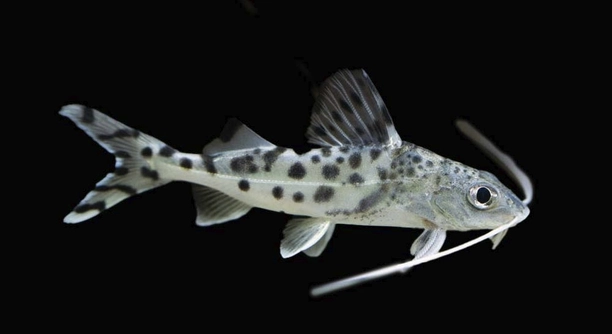
Is your Pictus catfish showing signs of fin damage, such as ragged or discolored edges that seem to be getting worse over time?
Fin rot in Pictus catfish is commonly treated through a combination of improved water quality, antibacterial medications, and stress reduction. Early detection and prompt treatment are essential to prevent further damage and promote healthy fin regeneration.
From identifying early symptoms to choosing the right treatment, this guide will help you care for your fish and support its recovery.
What Causes Fin Rot in Pictus Catfish
Fin rot is usually caused by poor water quality, high stress levels, or minor injuries that become infected. Dirty tanks, overcrowding, and sudden temperature changes can weaken a catfish’s immune system. Once weakened, bacteria like Aeromonas or Pseudomonas can invade damaged fin tissue. These infections often begin at the edges of the fins and slowly move inward, causing fraying and discoloration. Stress from aggressive tankmates or improper handling can make the condition worse. Since Pictus catfish are sensitive to changes in their environment, even small shifts in water quality can increase their risk of infection. Early signs include milky edges or a reddish tinge on the fins. As the infection progresses, parts of the fin may begin to rot away, making it difficult for the fish to swim. Preventing this condition begins with understanding what weakens your fish and ensuring their tank is consistently clean and stable.
The most common trigger is dirty water, especially in tanks that haven’t been cleaned regularly or have poor filtration.
Frequent water testing is essential. Test for ammonia, nitrites, and nitrates at least once a week. Remove leftover food and clean the substrate regularly. Reducing stress also matters—keep tankmates peaceful and avoid moving your Pictus catfish unnecessarily. These small changes help protect your fish.
How to Treat Fin Rot Effectively
Clean water is the first and most important step in treating fin rot. Without proper water conditions, no treatment will be effective.
Start by performing a 25-50% water change and vacuuming the gravel to remove debris. Next, check your filter to ensure it’s working efficiently. You’ll want to isolate the affected fish if possible, especially if tankmates are nipping at its fins. Once water quality is restored, begin treatment using a broad-spectrum antibacterial medication made for aquarium use. Follow the directions carefully and monitor your catfish daily. If the infection doesn’t improve within a few days, try a stronger medication recommended for gram-negative bacteria. Remove any carbon filters before adding treatments, as they can reduce the medication’s effectiveness. Keep the tank quiet and dimly lit to help reduce stress. Feed high-quality, protein-rich food to support healing. With proper care, most cases of fin rot will start to show improvement within a week, and healthy fin growth should follow.
Preventing Fin Rot in the Future
Keeping the tank clean is the best way to prevent fin rot. Regular maintenance and water testing help your Pictus catfish stay healthy and less vulnerable to infections and stress-related problems.
Check ammonia, nitrites, and nitrates weekly and aim for stable levels. Perform 25% water changes every week, especially in tanks with multiple fish. Make sure the filter is strong enough for your tank size, and avoid overcrowding. Stress also plays a big role in fin rot, so choose calm tankmates and provide hiding spots. Monitor the tank’s temperature closely and avoid sudden changes. Feeding high-quality food also helps keep the immune system strong. Avoid handling the fish unless necessary. Always wash your hands before working in the tank to avoid introducing bacteria. Keeping the tank balanced and clean will support long-term health and lower the risk of fin infections.
Observe your fish daily for any early signs of trouble. If you notice cloudy or frayed fins, act quickly before the condition worsens.
How Long Recovery Takes
Recovery time depends on how early the infection was treated and how stable the tank conditions remain during healing. Most mild cases begin to improve within a week of proper care.
Severe infections can take several weeks to fully heal. It’s important to stay consistent with water changes and treatment throughout the entire process. Fin regrowth can be slow, especially if large portions were damaged. Watch for signs of healing like clear or white edges forming on the fins—this usually means tissue is beginning to regenerate. Be patient, as rushing the process can stress the fish. Keep feeding a balanced, protein-rich diet and avoid introducing any new tankmates during this time. Stability is key. Make sure the filter is always running properly, and keep the tank lighting low to reduce stress. With steady care and attention, most Pictus catfish can recover fully and return to normal activity.
Signs of Healing to Watch For
Healthy fin regrowth often appears as clear or white edges at the tips of damaged fins. These new edges may look slightly different in texture but are a good sign that healing has started and treatment is working.
As healing continues, the fin tissue thickens and slowly regains its original color. Your catfish may also become more active and return to normal behavior, like exploring the tank or eating regularly. Reduced redness or swelling around the fins is another good indicator of progress. Continue monitoring the water to support steady improvement.
When to Seek Extra Help
If your Pictus catfish shows no improvement after a week of treatment, or the fin rot spreads despite stable water conditions, you may need to consult a veterinarian with aquatic experience. They can recommend advanced treatment options, including stronger medications or antibiotic injections. Never try these without expert advice, as improper use can harm your fish.
Medications to Consider
Look for antibacterial treatments made for freshwater fish, especially those targeting gram-negative bacteria.
FAQ
Can fin rot heal on its own without treatment?
Mild cases of fin rot may begin to improve if the tank conditions are corrected quickly, but relying on natural healing is risky. Without addressing the infection directly, the bacteria may continue to spread, leading to more tissue loss. In most cases, targeted treatment is necessary to stop the progression and support fin regrowth. Even if the water quality improves, the fish’s immune system might not be strong enough to recover on its own. Using proper medication while keeping the tank clean provides the best chance for full recovery.
Is fin rot painful for my Pictus catfish?
While fish do not express pain the same way mammals do, fin rot can cause discomfort. Infected fins may make swimming harder and affect feeding behavior. Your catfish might become less active, hide more often, or refuse food. These are signs of stress and possible pain. If left untreated, the infection can move deeper into the tissue, making it even more uncomfortable for your fish. Prompt care helps reduce discomfort and prevents the condition from affecting the fish’s overall health and behavior long-term.
Can I use salt to treat fin rot in Pictus catfish?
Aquarium salt can be used in mild cases, but Pictus catfish are sensitive to salt. If you choose to use it, start with a very low dose and monitor your fish closely. Salt helps by reducing stress and slowing down the spread of bacteria, but it should not replace medication in more serious infections. Always check your specific fish’s salt tolerance before treatment. When in doubt, focus on improving water quality and using antibacterial products made for catfish and other sensitive species.
How do I know if it’s fin rot or just physical damage?
Fin rot usually starts with ragged, discolored edges and may have a white or red outline. Over time, the fin appears to rot away. Physical damage, on the other hand, often looks clean, like a simple tear or bite mark, and doesn’t spread unless it gets infected. If the damaged area doesn’t get worse and begins to heal after a few days, it’s likely just physical damage. Watch your fish closely—if the area becomes cloudy or continues to deteriorate, it’s more likely fin rot and needs to be treated.
Can stress cause fin rot in a healthy tank?
Yes, even in clean water, high stress can lead to fin rot. Aggressive tankmates, frequent tank changes, poor diet, or loud noises near the tank can stress your catfish. Stress lowers their immune defenses, making it easier for bacteria to take hold. Pictus catfish are especially sensitive to sudden environmental changes. To help reduce stress, avoid overcrowding and keep lighting soft. Try not to rearrange decorations often, and provide hiding places. A calm environment is just as important as clean water for prevention and healing.
Should I remove my Pictus catfish from the tank during treatment?
If possible, isolating the affected fish in a separate treatment tank is helpful, especially if other fish are nipping at its fins or competing for food. A hospital tank makes it easier to monitor progress and apply medication without affecting healthy fish. However, if your catfish is the only fish in the tank or if the water quality is already under control, treatment can be done in the main tank. Be sure to remove activated carbon from the filter, as it will absorb the medication and reduce its effectiveness.
How often should I feed a Pictus catfish during recovery?
Feed your catfish small amounts once or twice a day. Use high-quality, protein-rich food like sinking pellets or frozen bloodworms. During recovery, nutrition is important for tissue regrowth and immune support. Avoid overfeeding—uneaten food can foul the water and slow healing. Watch how much your fish eats and adjust portions as needed. If your catfish skips meals during the first few days of treatment, that’s normal. Appetite usually returns once the fish starts feeling better and the infection is under control.
Will the fins grow back completely after healing?
In most cases, yes—if the damage isn’t too severe and healing starts early. Regrown fins may look slightly different in texture or color, but they will still function normally. If a large portion of the fin was lost, the shape may not return to exactly how it was. The key to strong regrowth is clean water, good nutrition, and a stress-free environment. Keep monitoring the edges of the fins. New growth usually appears as clear or pale tissue at first before gradually blending with the rest of the fin.
Final Thoughts
Fin rot can be serious if left untreated, but with early care and attention, your Pictus catfish has a strong chance of recovering fully. The most important step is keeping the tank clean and stable. Dirty water, sudden changes, and overcrowding are common causes of stress that weaken your fish and leave them more open to infection. Once the fins begin to show signs of damage, it’s important to act quickly. Watch for cloudy edges, fraying, or redness, and begin treatment right away. Even if the symptoms seem small, starting early gives your catfish the best chance of healing without long-term damage. Avoid waiting to see if things improve on their own, as the condition can spread faster than expected.
Using the right medication, feeding a proper diet, and keeping a calm environment can all help support recovery. Antibacterial treatments designed for freshwater fish are often effective, especially when paired with daily observation and stable water conditions. Adding stress-reducing measures, such as dim lighting and hiding spots, gives your Pictus catfish more comfort as it heals. Isolating the fish may also help if there are signs of aggression or competition in the main tank. If you don’t see progress after a week, or the fins continue to break down, it’s worth getting advice from someone experienced with fish care, like a vet who works with aquatic species. Some cases may need stronger treatments, but most respond well to early and consistent care at home.
Preventing fin rot in the future is all about routine. Make it a habit to test the water weekly and perform partial water changes on a regular schedule. Choose peaceful tankmates and avoid making sudden changes in temperature, lighting, or setup. A stable environment helps keep your catfish calm and healthy, which reduces the risk of infection. Fin rot can be frustrating to deal with, especially if it’s your first time facing it, but it doesn’t have to be overwhelming. With a little patience and a steady care routine, your fish can bounce back and return to normal activity. Keeping up with good habits after recovery will protect your fish moving forward. Remember, healthy fins are a sign of a healthy tank. The effort you put in today makes a real difference in your catfish’s long-term well-being.

Hello,
If you enjoy the content that we create, please consider saying a "Thank You!" by leaving a tip.
Every little bit helps us continue crafting quality advice that supports the health, happiness, and well-being of pets around the world, for pets of all shapes, sizes, and species.
We really appreciate the kindness and support that you show us!