
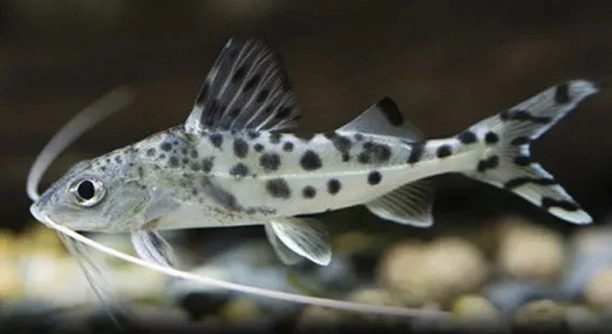
Pictus catfish are popular freshwater fish known for their peaceful nature and striking appearance. Many aquarium owners enjoy keeping them but sometimes make feeding mistakes that can harm their health. Understanding these common errors is important for proper care.
Feeding pictus catfish improperly can lead to health issues such as poor growth, digestive problems, and weakened immune systems. Mistakes like overfeeding, offering unsuitable food, or irregular feeding schedules negatively impact their wellbeing and longevity.
Learning about these feeding mistakes will help you keep your pictus catfish healthier and happier in your aquarium. Small changes in feeding habits can make a big difference over time.
Overfeeding Your Pictus Catfish
Overfeeding is a common mistake that many aquarium owners make with pictus catfish. These fish are opportunistic eaters and will often eat more than they need if food is always available. This can cause obesity and lead to poor water quality in the tank. Excess food breaks down and pollutes the water, which harms the fish’s health. Feeding too much also stresses their digestive system, causing problems like constipation or swim bladder issues. It’s best to feed small amounts that your catfish can finish within a few minutes. Watching how much your fish eat and adjusting portions accordingly keeps them healthier. Limiting feeding to twice a day helps maintain balance and reduces waste buildup.
Proper portion control helps maintain stable water conditions and prevents health problems. Avoid leaving uneaten food in the tank after feeding sessions.
Controlling feeding amounts requires patience and observation. You might want to start by offering less food than you think they need. Over time, you’ll learn their appetite and feeding habits. Using sinking pellets or live food in measured amounts works well. Make sure to remove leftovers to keep the tank clean. Feeding just enough helps your pictus catfish stay energetic and vibrant for longer.
Feeding Inappropriate Food Types
Pictus catfish are bottom feeders that prefer a diet rich in protein. Feeding them flakes or foods meant for surface feeders can lead to malnutrition. These catfish need foods like sinking pellets, bloodworms, and small live or frozen insects. Feeding inappropriate foods often results in poor digestion and can weaken their immune system. Some foods also pollute the water faster, adding stress to your fish. It’s important to provide a balanced diet that suits their natural eating habits to ensure they thrive.
Choosing the right food types prevents common health problems and supports natural behavior.
Offering only flakes or plant-based foods ignores their carnivorous needs. Their bodies are built to digest animal protein, so ignoring this can cause deficiencies. Providing sinking pellets designed for catfish and occasional treats like frozen bloodworms or brine shrimp gives them essential nutrients. It’s also good to vary their diet to avoid boredom and improve health. Feeding suitable foods helps maintain their beautiful coloration and active nature. Always observe your catfish during feeding to see what they prefer and adjust accordingly. This approach supports their wellbeing and enhances their quality of life in your tank.
Irregular Feeding Schedule
Feeding pictus catfish at inconsistent times can cause stress and poor health. They thrive on a routine, so irregular feeding confuses their metabolism.
A regular feeding schedule helps maintain stable digestion and energy levels. When feeding times vary, the fish may become anxious or refuse food. This inconsistency can also lead to overeating when food suddenly appears, increasing the risk of obesity and poor water quality. Feeding twice a day, ideally once in the morning and once in the evening, keeps their routine predictable and healthy.
A consistent schedule also helps you monitor their eating habits better. If your fish suddenly eat less or more than usual, you’ll notice changes faster. This allows you to address potential health problems early. Regularity promotes a stable tank environment, benefiting all inhabitants. Sticking to set feeding times supports the natural rhythm and wellbeing of your pictus catfish.
Feeding Only One Type of Food
Relying on a single food type limits your pictus catfish’s nutrition and can cause deficiencies. Variety is essential for balanced health.
Different foods provide different nutrients needed for their growth, immunity, and energy. Feeding only pellets or only live food means missing out on essential vitamins and minerals. A mix of sinking pellets, frozen or live insects, and occasional treats keeps their diet balanced. Variety also encourages natural foraging behavior, reducing boredom.
Offering diverse foods prevents malnutrition and helps your fish develop vibrant colors and strong immunity. It also mimics their natural diet more closely, supporting better digestion and health. Alternating food types regularly promotes a longer, healthier life for your pictus catfish, enhancing their activity and overall appearance.
Feeding Too Often
Feeding pictus catfish too often can cause health problems and dirty the tank. Overfeeding stresses their digestive system and pollutes the water.
Too much food leads to leftover waste, which decomposes and raises harmful toxins. Limiting feeding to two small meals daily keeps fish healthy and the tank clean.
Not Removing Uneaten Food
Leaving uneaten food in the tank harms water quality quickly. It can cause ammonia spikes and promote harmful bacteria growth.
Uneaten food decomposes and pollutes the environment, affecting fish health. Always remove leftovers after feeding to maintain clean water and avoid stress or illness in your pictus catfish.
Using Poor Quality Food
Low-quality food lacks essential nutrients and often contains fillers or harmful additives. Feeding poor quality products can weaken your fish’s immune system and cause slow growth.
Investing in good-quality, species-appropriate food ensures your pictus catfish receives balanced nutrition. This supports their natural color, energy, and long-term health, reducing the risk of diseases caused by poor diet.
FAQ
How often should I feed my pictus catfish?
Feeding your pictus catfish twice a day is ideal. Small meals in the morning and evening fit their natural routine and help prevent overfeeding. This schedule keeps their digestion regular and maintains good water quality in the tank. Avoid feeding more than they can eat within five minutes.
What is the best food for pictus catfish?
Pictus catfish do best with a diet rich in protein. Sinking pellets made for bottom feeders, frozen or live bloodworms, brine shrimp, and small insects work well. Avoid flakes or plant-based foods since they don’t provide enough protein. A varied diet supports their health and natural behavior.
Can I feed them vegetables or plant-based foods?
Pictus catfish are carnivorous and need mostly animal protein. While they might nibble on soft vegetables occasionally, these should not be a main part of their diet. Feeding too many plant-based foods can cause nutritional gaps and digestive issues.
Is overfeeding really that harmful?
Yes, overfeeding can cause serious problems. Leftover food pollutes the water, increasing ammonia and nitrite levels. This can stress or poison your fish. Overfeeding also leads to obesity and digestive problems like constipation, which reduce lifespan.
How can I tell if I’m feeding too much?
If you see uneaten food sinking to the bottom or your fish looking sluggish, you might be feeding too much. Another sign is cloudy or smelly water. Adjust portions so your fish finish their food in about five minutes, then stop feeding.
Should I fast my pictus catfish sometimes?
Occasional fasting, like one day a week without food, can help clear their digestive system. It’s not always necessary but can be beneficial if your fish seems constipated or overweight. Just don’t fast too often or for too long.
Can feeding wrong food types cause disease?
Yes. Feeding inappropriate food weakens the immune system, making your fish prone to infections. It also disrupts digestion, sometimes leading to bloating or swim bladder problems. Stick to recommended protein-rich diets for better health.
What if my fish refuses to eat?
Refusal to eat can indicate stress, illness, or poor water conditions. Check the tank’s temperature, cleanliness, and water parameters. Try offering different foods like live or frozen options. If they still refuse food, consider consulting a vet.
How important is food variety?
Food variety is very important. It provides balanced nutrients and keeps your fish interested in eating. Feeding the same food repeatedly can lead to nutritional deficiencies and boredom, which might affect their appetite and health.
Can I feed my pictus catfish flakes?
Flakes are not ideal because pictus catfish are bottom feeders and flakes float. Most flakes don’t contain the protein they need. If flakes are your only option, crush them and try to feed small amounts, but prioritize sinking pellets and live food instead.
Does feeding live food have benefits?
Live food stimulates natural hunting instincts and offers fresh nutrients. It can improve activity levels and overall health. However, always source live food carefully to avoid introducing diseases or parasites into your tank.
What should I do with leftover food?
Remove leftover food promptly to prevent water pollution. Use a small net or siphon to clean the tank bottom after feeding. Keeping the tank clean reduces stress and illness risks for your pictus catfish.
How do I know if my pictus catfish is healthy?
A healthy pictus catfish is active, has clear eyes, vibrant colors, and eats regularly. Their fins should be intact without tears or discoloration. Any changes in behavior, appetite, or appearance might signal a problem needing attention.
Is it okay to feed commercial pellets only?
High-quality commercial pellets designed for bottom feeders can provide balanced nutrition if used correctly. However, supplementing pellets with frozen or live foods is better to mimic their natural diet and promote health.
What should I avoid feeding pictus catfish?
Avoid feeding bread, processed human food, and foods high in carbohydrates or plant material. Also, stay away from any food that floats or dissolves too quickly, as this can cause water pollution and poor nutrition.
Can feeding mistakes affect tank mates?
Yes, overfeeding or poor food choices can harm the entire aquarium ecosystem. Excess food causes water quality issues that affect all fish. Uneaten food may also attract pests like snails or promote harmful bacteria growth.
This FAQ covers the most common concerns related to feeding pictus catfish, helping you maintain their health and a clean, balanced tank environment.
Final Thoughts
Taking care of pictus catfish means paying close attention to their feeding habits. Feeding mistakes can easily harm their health and the aquarium’s environment. Overfeeding, offering the wrong types of food, and irregular feeding schedules are some of the main problems that many fish owners face. These errors can lead to poor digestion, stress, and water quality issues, all of which reduce the fish’s lifespan. Understanding the specific needs of pictus catfish helps avoid these problems and keeps them healthy for years.
Pictus catfish need a balanced diet that fits their natural behavior as bottom feeders. Providing a mix of sinking pellets and live or frozen protein-rich foods ensures they get the nutrients they need. It is important to avoid overfeeding and stick to regular feeding times. This not only helps with their digestion but also keeps the aquarium water clean. Uneaten food should be removed to prevent harmful waste buildup. When you watch your fish closely, you can quickly notice changes in appetite or behavior that may signal health issues.
In summary, feeding pictus catfish correctly requires patience and care. Small changes in feeding habits can make a big difference in their overall health and happiness. Keeping a consistent schedule, offering varied, quality food, and avoiding overfeeding will help your catfish thrive. Healthy fish are more active, have brighter colors, and live longer. By following these simple guidelines, you can enjoy a lively, beautiful aquarium with pictus catfish that stay healthy and strong.

Hello,
If you enjoy the content that we create, please consider saying a "Thank You!" by leaving a tip.
Every little bit helps us continue crafting quality advice that supports the health, happiness, and well-being of pets around the world, for pets of all shapes, sizes, and species.
We really appreciate the kindness and support that you show us!