
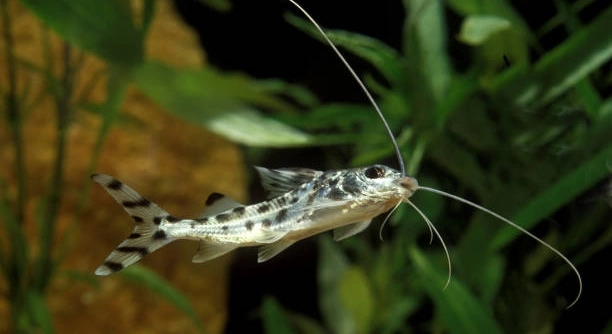
Pictus catfish are popular aquarium fish known for their peaceful nature and active behavior. Many fishkeepers enjoy having them in their tanks because they add life and movement. Understanding their needs helps keep them healthy and content.
Pictus catfish require clean water, a spacious tank, hiding spots, a balanced diet, proper temperature, compatible tank mates, and regular care to thrive and live happily in captivity.
Knowing these essentials will help you create the best environment for your pictus catfish’s well-being and enjoyment.
Clean Water Is Essential
Keeping the water clean is one of the most important things for pictus catfish. They are sensitive to poor water quality, and dirty water can stress them out or cause illness. Regular water changes, about 25% each week, help keep toxins like ammonia and nitrates low. Using a good filter that suits the tank size also makes a big difference. Avoid overcrowding the tank because too many fish create more waste, making it harder to maintain clean water. Testing the water regularly ensures the parameters stay safe. The ideal pH for pictus catfish is between 6.5 and 7.5, and the water should be well-oxygenated. Maintaining these conditions will keep the catfish healthy and comfortable.
Clean water keeps pictus catfish active and prevents diseases. It is the foundation of good care.
Using proper filtration and regular water changes creates a stable environment that supports their natural behavior. Clear, fresh water also allows the fish to show their full colors and swim freely. Neglecting water quality leads to stress, which can weaken their immune systems. This makes them more vulnerable to infections. In addition, well-maintained water helps beneficial bacteria thrive, which breaks down harmful substances. It’s a simple routine that ensures your pictus catfish live a long, happy life.
A Spacious Tank and Hiding Spots Matter
Pictus catfish need enough space to swim freely. A tank of at least 30 gallons is recommended for a small group.
Having places to hide makes the fish feel safe. Rocks, plants, and driftwood provide good hiding spots and reduce stress.
Balanced Diet for Pictus Catfish
Pictus catfish are omnivores and need a mix of protein and plant matter. A varied diet helps keep them healthy and energetic.
Feeding them sinking pellets or wafers designed for bottom feeders is ideal. Supplementing with live or frozen foods like bloodworms, brine shrimp, and daphnia adds protein and variety. Occasional vegetables such as blanched zucchini or peas support their nutritional needs. Avoid overfeeding, as leftover food can foul the water. Feed small amounts once or twice a day to prevent waste buildup.
Providing a balanced diet encourages natural foraging behavior. It supports their growth and vibrant appearance. A good diet also strengthens their immune system, helping to fight off diseases. Watching your pictus catfish enjoy different foods is rewarding and helps build a healthy tank environment.
Proper Temperature and Compatible Tank Mates
Pictus catfish thrive in temperatures between 72°F and 79°F. Keeping the water stable in this range is important for their metabolism and overall health.
They prefer peaceful tank mates and can get stressed with aggressive fish. Suitable companions include tetras, rasboras, and other calm community fish. Avoid housing them with large or territorial species that may bully them. Because pictus catfish are active swimmers, ensure tank mates have similar activity levels to avoid conflict. Choosing compatible species creates harmony and reduces stress in the aquarium, improving the quality of life for all fish involved.
Regular Care and Maintenance
Regular care is needed to keep pictus catfish healthy. Cleaning the tank and monitoring water quality are part of this routine.
Check the filter and remove debris. Keep an eye on the fish for any signs of illness or stress to act quickly.
Tank Setup and Decoration
A well-set tank mimics the natural environment of pictus catfish. Use smooth gravel or sand as a substrate to protect their sensitive barbels. Adding driftwood and plants provides shelter and helps reduce stress. Avoid sharp objects that could harm the fish. Proper lighting that isn’t too bright creates a comfortable atmosphere. A balanced tank setup encourages natural behavior and makes the fish feel secure.
Observing Behavior and Health
Watching your pictus catfish daily helps catch health issues early. Healthy fish swim actively, have clear eyes, and show interest in food.
FAQ
What do pictus catfish eat?
Pictus catfish eat a mix of foods. They enjoy sinking pellets made for bottom feeders, along with live or frozen foods like bloodworms, brine shrimp, and daphnia. Sometimes, they like small amounts of blanched vegetables like zucchini or peas. Feeding a variety helps them stay healthy and active.
How big do pictus catfish get?
Pictus catfish can grow up to about 5 inches long. They need enough space to swim comfortably, so a tank of at least 30 gallons is recommended for a small group.
How often should I clean the tank?
Cleaning about 25% of the water each week is ideal. Regular water changes help remove waste and keep the water fresh. Checking the filter regularly is also important to maintain good water quality.
Can pictus catfish live with other fish?
Yes, pictus catfish are peaceful and do well with other calm fish. Good tank mates include tetras, rasboras, and other small community fish. Avoid aggressive or territorial species that might stress them out.
What is the ideal water temperature for pictus catfish?
They thrive in water temperatures between 72°F and 79°F. Keeping the water stable in this range supports their health and activity.
How can I tell if my pictus catfish is sick?
Signs of illness include sluggish swimming, loss of appetite, faded colors, or visible spots on the body. Watching your fish daily helps catch problems early so you can act quickly.
Do pictus catfish need hiding spots?
Yes, hiding spots are important. They feel safer with places to hide, such as plants, rocks, or driftwood. This reduces stress and helps them relax.
How often should I feed pictus catfish?
Feed small amounts once or twice a day. Avoid overfeeding to prevent leftover food from polluting the tank.
What type of substrate is best for pictus catfish?
Soft substrates like smooth gravel or sand are best. They have sensitive barbels that can get damaged on sharp or rough surfaces.
Can pictus catfish jump out of the tank?
Yes, they can jump if the tank isn’t covered. Make sure to use a secure lid to keep them safely inside.
How many pictus catfish should be kept together?
They are social and do better in groups of at least three. This helps reduce stress and encourages natural behavior.
Are pictus catfish nocturnal?
They are mostly active at night but will swim and search for food during the day as well.
What pH level is best for pictus catfish?
A pH between 6.5 and 7.5 is ideal. Keeping the water stable within this range supports their health.
Do pictus catfish need a heater?
If your room temperature stays between 72°F and 79°F, a heater may not be necessary. Otherwise, a heater helps keep the water stable.
How long do pictus catfish live?
With proper care, they can live 8 to 10 years or longer in captivity. Good water quality and nutrition are key.
Can pictus catfish breathe air?
No, they rely on gills to breathe underwater. Oxygen-rich water is important, so good filtration and aeration are needed.
What should I do if my pictus catfish stops eating?
Check water quality first and ensure the temperature is right. Stress or illness may cause appetite loss. If it continues, consider consulting a vet or aquarium expert.
Are pictus catfish easy to care for?
They require some attention to water quality and tank setup but are generally hardy. Regular maintenance and proper feeding make care manageable.
Do pictus catfish grow fast?
They grow steadily but not too quickly. Proper diet and environment support healthy growth over time.
Is lighting important for pictus catfish?
Moderate lighting is best. Too bright lights can stress them, so dimmer or natural light conditions are preferred.
Can pictus catfish live in a small tank?
No, they need space to swim. A tank smaller than 30 gallons is not recommended because it can limit their health and activity.
Do pictus catfish need plants in their tank?
Plants are helpful but not required. They provide hiding places and improve water quality, which benefits the fish.
How do pictus catfish behave?
They are active swimmers, mostly at the bottom and middle of the tank. They like to explore and search for food, often moving quickly.
Can pictus catfish tolerate changes in water?
Sudden changes stress them. It’s best to make water changes slowly and keep parameters stable.
What should I do if my pictus catfish has damaged barbels?
Damaged barbels can be a sign of poor substrate or water quality. Improving tank conditions and using soft substrate helps prevent damage.
Are pictus catfish aggressive?
They are peaceful and shy. Aggression is rare unless stressed or overcrowded.
Do pictus catfish need a special diet?
A balanced diet with protein and plant matter is enough. No special diet is necessary if feeding quality foods regularly.
How often should I test water parameters?
Test water at least once a week to catch any changes early. This helps maintain a healthy environment.
Can pictus catfish live alone?
They prefer groups. Alone, they can become stressed or shy, so keeping at least three is best.
What is the best way to acclimate new pictus catfish?
Float the bag in the tank to match temperature, then slowly add tank water over 30 minutes before releasing. This reduces shock.
Do pictus catfish need a special filter?
A filter that provides good mechanical and biological filtration is enough. It should match the tank size and keep water clean.
Are pictus catfish sensitive to medication?
Some medications can harm them. Always check compatibility before treating the tank.
How do pictus catfish reproduce?
Breeding is difficult in home aquariums. They scatter eggs and don’t guard them. Special conditions are needed to raise fry.
Can pictus catfish live with shrimp?
They may see shrimp as food. Small shrimp might not be safe with pictus catfish.
What is the best way to handle pictus catfish?
Avoid handling if possible. They are delicate and can be injured easily.
Do pictus catfish produce much waste?
They produce moderate waste. Proper filtration and cleaning are important to maintain water quality.
Pictus catfish are wonderful additions to many home aquariums. They are active, peaceful, and bring life to the tank with their unique patterns and quick movements. Taking care of them involves understanding their basic needs, such as clean water, proper diet, and a comfortable environment. When these needs are met, pictus catfish tend to be healthy and happy, showing natural behavior and bright colors. They can live for many years, making them a good long-term pet for those who enjoy fishkeeping.
One of the most important things to remember is maintaining water quality. Pictus catfish are sensitive to poor conditions, so regular water changes and proper filtration are essential. Monitoring water parameters like pH, temperature, and ammonia levels helps prevent common health problems. Along with this, feeding a balanced diet that includes sinking pellets and occasional live or frozen foods supports their growth and immune system. Providing hiding spots and enough swimming space also reduces stress and keeps them comfortable in their tank.
Caring for pictus catfish requires some commitment but is very rewarding. Watching them explore their environment and interact with tank mates can be very satisfying. With proper care, they can thrive in a home aquarium and offer a peaceful and lively presence. Keeping up with regular tank maintenance, choosing compatible companions, and meeting their dietary and environmental needs will ensure your pictus catfish live a full, healthy life. This simple approach to care can make a big difference in their happiness and well-being.

Hello,
If you enjoy the content that we create, please consider saying a "Thank You!" by leaving a tip.
Every little bit helps us continue crafting quality advice that supports the health, happiness, and well-being of pets around the world, for pets of all shapes, sizes, and species.
We really appreciate the kindness and support that you show us!