
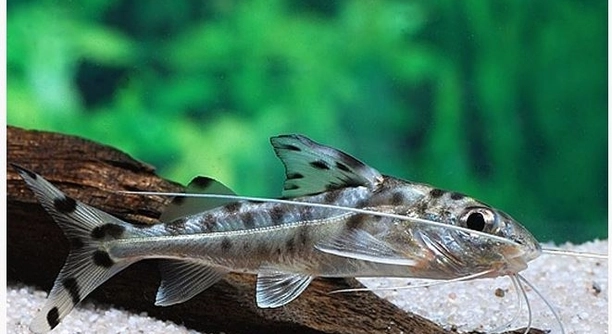
Many people enjoy keeping pictus catfish because of their lively and social nature. These fish often interact with their environment and other tank mates, making them fascinating to watch. Encouraging their social behavior can improve their well-being.
To encourage social behavior in pictus catfish, maintaining proper tank conditions, providing enough space, and offering varied enrichment are essential. Consistent feeding schedules, grouping compatible fish, and gentle handling also promote healthy interactions among them.
Learning how to support pictus social habits can help create a balanced and happy aquarium environment. This article will guide you through practical and effective steps.
Provide a Comfortable Environment
Creating a comfortable environment is key to encouraging social behavior in pictus catfish. They thrive best in tanks with plenty of hiding spots and smooth surfaces. Adding plants, rocks, and driftwood mimics their natural habitat and helps reduce stress. The tank should have clean, well-oxygenated water with stable temperature and pH levels. Avoid sudden changes in water conditions, as pictus catfish are sensitive and may retreat or act skittish. Soft lighting is preferred, as harsh lights can make them shy away. When the environment feels safe, pictus catfish are more likely to explore, interact, and show natural social behaviors like schooling or gentle nudging. Make sure the tank is spacious enough to allow free movement but not so large that they feel isolated.
Healthy water and a well-decorated tank keep pictus catfish comfortable and encourage social activity.
Small changes in their environment can greatly influence their behavior and social interactions.
Maintain a Balanced Diet
A balanced diet plays an important role in how pictus catfish behave. Feeding them a variety of foods, including sinking pellets, live or frozen bloodworms, and brine shrimp, provides essential nutrients. This variety keeps them interested during feeding times and reduces competition or aggression over food. Feed them in small amounts two to three times a day to maintain energy levels without polluting the water. Avoid overfeeding, which can lead to poor water quality and stress. When their dietary needs are met consistently, pictus catfish are more active and willing to interact with tank mates. This promotes a peaceful social environment and supports their overall health.
Balanced feeding schedules and diverse food options enhance social engagement and vitality in pictus catfish. Making sure they get the right nutrients helps reduce tension during feeding times and supports their natural behavior patterns. Overfeeding can cause waste buildup and discomfort, which negatively impacts socializing. It’s important to observe their reactions and adjust portions accordingly. Feeding together at regular intervals also encourages group behavior, making the fish more comfortable around one another. Their natural curiosity comes out more during feeding, allowing you to enjoy watching their lively interactions. A proper diet is a simple but effective way to support the social well-being of your pictus catfish.
Encourage Group Living
Pictus catfish are naturally social and do best in groups of at least five. Keeping them together promotes natural schooling behavior and reduces stress.
Grouping pictus catfish helps them feel secure, encouraging active social interactions. When they have companions, they display more natural behaviors like swimming together and communicating through gentle touches. A well-sized group reduces aggression and boredom, making the tank more lively. Avoid keeping just one pictus, as they may become shy or stressed without others.
It’s important to provide enough space for the group to swim freely and avoid overcrowding. A tank of at least 30 gallons is ideal for a small group. Watch how the fish interact and adjust group size if needed. Group living creates a sense of community, which supports their mental and physical health.
Offer Regular Environmental Enrichment
Environmental enrichment keeps pictus catfish mentally stimulated and socially active. Changing decorations or adding new hiding spots encourages exploration and interaction.
Introducing new elements in the tank, such as smooth stones, caves, or plants, sparks curiosity. Pictus catfish explore these features together, which promotes bonding and activity. Rearranging the tank occasionally helps prevent boredom and keeps the fish engaged. Enrichment also provides varied spaces where shy individuals can feel safe while still being part of the group. Consistent enrichment supports natural behaviors and can reduce stress-related problems.
Simple changes in the environment show significant improvements in their social life. Observing their reactions to new additions helps tailor the tank setup to their preferences. Enrichment isn’t just decoration; it plays a vital role in fostering a healthy, social atmosphere for pictus catfish.
Keep Water Quality High
Clean water is essential for pictus catfish to stay healthy and social. Regular water changes remove toxins that cause stress and aggression.
Testing water parameters often helps maintain stable conditions. Ammonia, nitrite, and nitrate levels should stay low to prevent illness and promote calm behavior.
Use Compatible Tank Mates
Choosing peaceful tank mates helps pictus catfish feel safe and encourages positive social interactions. Avoid aggressive or territorial species that may cause stress.
Compatible companions, like small tetras or Corydoras catfish, share similar water needs and behavior, creating a harmonious environment where pictus thrive.
Handle with Care
When cleaning or moving pictus catfish, gentle handling minimizes stress and supports their social nature. Rough handling can cause fear or aggression.
Use soft nets and avoid sudden movements to keep fish calm during tank maintenance or transfers. This care helps maintain their friendly behavior.
FAQ
How many pictus catfish should I keep together?
Pictus catfish are schooling fish that prefer groups of at least five individuals. Keeping them in a group reduces stress and encourages natural social behavior. Smaller groups can lead to shy or withdrawn fish, while larger groups create a more active and engaging environment. Be sure your tank size can comfortably house the group to avoid overcrowding, which can cause aggression or competition.
What tank size is best for pictus catfish?
A minimum of 30 gallons is recommended for a small group of pictus catfish. They are active swimmers and need plenty of horizontal space. Larger tanks allow for more stable water conditions and better opportunities for social interactions. Overcrowding can lead to poor water quality and stressed fish, so matching tank size to group size is important.
What water parameters do pictus catfish need?
Pictus catfish thrive in temperatures between 72°F and 79°F (22°C–26°C). They prefer a pH level around 6.5 to 7.5 and soft to moderately hard water. Stable conditions are important because sudden changes can stress them and reduce social behaviors. Regular water testing and maintenance help keep parameters in the ideal range.
Can pictus catfish live with other fish?
Yes, pictus catfish are generally peaceful and can coexist with other non-aggressive species. Good companions include small tetras, Corydoras catfish, and other peaceful community fish. Avoid large or territorial fish that may bully or stress them, which can disrupt their social nature.
What do pictus catfish eat?
They are omnivores and enjoy a varied diet including sinking pellets, frozen or live bloodworms, brine shrimp, and occasional vegetables. Feeding multiple types of food keeps them interested and promotes healthy social feeding behavior. Feed small amounts two to three times daily to prevent overfeeding and maintain water quality.
How can I tell if my pictus catfish is stressed?
Signs of stress include hiding excessively, reduced movement, loss of appetite, and unusual aggression or lethargy. Poor water quality, overcrowding, or incompatible tank mates are common causes. Addressing these issues and improving tank conditions will help reduce stress and encourage normal social behavior.
How often should I change the water?
Perform partial water changes of about 20-30% weekly. Regular water changes keep the tank clean, removing toxins that cause stress. Maintaining good water quality supports healthy fish and active social interactions among pictus catfish.
What kind of decorations are best for social behavior?
Natural decorations like plants, smooth rocks, and driftwood provide hiding spots and stimulation. These encourage exploration and allow shy fish to feel safe near their group. Avoid sharp or rough objects that might injure delicate barbels or fins. Rearranging decorations occasionally can keep the environment interesting.
How do pictus catfish communicate?
Pictus catfish use body language and gentle nudges to communicate. Schooling behavior and synchronized swimming are signs of bonding. They may also flick their barbels or swim close to tank mates as friendly gestures. These subtle signals indicate a healthy social group.
Is it normal for pictus catfish to hide a lot?
They can be shy, especially if stressed or kept alone. Providing plenty of hiding places and keeping them in groups reduces hiding behavior. If a fish hides excessively, check water quality and tank conditions to ensure they feel safe.
How long do pictus catfish live?
With proper care, pictus catfish can live 8 to 10 years in captivity. Maintaining a stable environment, balanced diet, and social group are important for their longevity and happiness.
Can pictus catfish recognize their owners?
While they don’t recognize people like mammals, pictus catfish can learn to associate feeding times and movement outside the tank with food. This recognition often makes them more active and social when you approach. Gentle interaction can strengthen this bond.
Should I turn off the tank lights at night?
Yes, pictus catfish need a regular day-night cycle to maintain natural behavior. Turning off lights at night helps them rest and reduces stress, supporting social activity during the day.
What do I do if a pictus catfish becomes aggressive?
Aggression is often caused by overcrowding, stress, or incompatible tank mates. Check water quality and group size first. Removing aggressive fish or increasing hiding places can help. Keeping proper tank conditions reduces the chances of conflict.
Can pictus catfish jump out of the tank?
Yes, they are known jumpers. Make sure your tank has a secure lid to prevent escapes. This protects your fish and keeps the social group intact.
These answers cover common concerns to help keep your pictus catfish healthy and social. Proper care ensures they thrive together in your aquarium.
Encouraging social behavior in pictus catfish is an important part of keeping them healthy and happy. These fish are naturally active and enjoy being with others of their kind. When they live in a suitable environment with proper care, they tend to show more natural and lively behaviors. This not only makes them more interesting to watch but also helps reduce stress and illness. Simple things like keeping them in groups, feeding them well, and providing a comfortable tank can make a big difference. It’s worth taking the time to create the right conditions to support their social needs.
Maintaining good water quality and a stable environment is another key to helping pictus catfish interact well. Clean water reduces stress and prevents many common health problems that might make fish shy or aggressive. Regular water changes and checking the tank’s temperature and pH levels help keep conditions steady. Adding hiding spots and decorations gives the fish places to explore and rest. When they feel safe, pictus catfish are more likely to swim together, show curiosity, and engage with their tank mates. These small efforts lead to a more balanced and peaceful aquarium where the fish can thrive.
Lastly, being mindful of the fish’s diet and choosing compatible tank mates plays a big role in encouraging social behavior. Feeding a variety of foods on a regular schedule keeps the pictus catfish active and reduces competition over meals. Picking peaceful companions helps avoid stress and conflict, allowing all fish to live comfortably. Watching how your pictus catfish behave daily helps you spot any changes early and make adjustments as needed. Supporting their social nature takes some attention, but it pays off with a vibrant and lively tank that brings enjoyment for both the fish and their caretaker.

Hello,
If you enjoy the content that we create, please consider saying a "Thank You!" by leaving a tip.
Every little bit helps us continue crafting quality advice that supports the health, happiness, and well-being of pets around the world, for pets of all shapes, sizes, and species.
We really appreciate the kindness and support that you show us!