
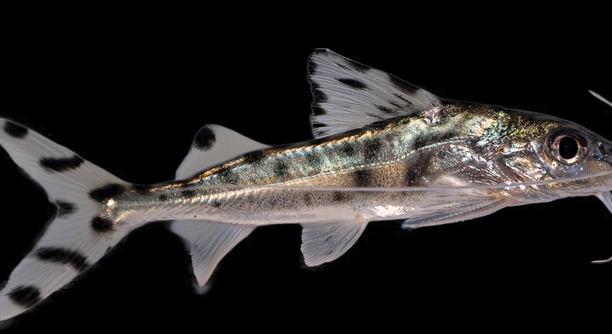
Pictus catfish are popular in many home aquariums for their peaceful nature and active behavior. Many fishkeepers enjoy watching them swim around and interact with their environment. Understanding their care needs helps keep the tank clean and healthy.
Pictus catfish produce a moderate amount of waste compared to other fish species. Their diet and size contribute to their waste output, which requires regular tank maintenance to maintain water quality. Proper filtration is essential to manage their waste effectively.
Knowing how much waste pictus catfish produce can help you maintain a healthier aquarium environment. This information is useful for planning tank size, cleaning routines, and overall fish care.
Waste Production in Pictus Catfish
Pictus catfish are fairly active swimmers, and their metabolism reflects that activity. Because they are medium-sized fish, they tend to produce a moderate amount of waste. Their diet mainly consists of protein-rich foods like worms and pellets, which can increase waste production slightly. However, they are not among the highest waste producers in the aquarium hobby. Proper feeding amounts and schedules can help reduce excessive waste. Overfeeding pictus catfish leads to more waste and water quality issues. It’s important to provide a balanced diet without overdoing it. Regular water changes and good filtration will keep waste levels manageable. Having a well-maintained tank helps the fish stay healthy and the environment stable. Monitoring water parameters is also a key step to ensuring that waste buildup does not harm your aquatic pets. Overall, waste production is moderate but manageable with good care practices.
Their moderate waste output means regular tank upkeep is necessary, but not overwhelming.
Keeping the tank clean involves routine water changes and proper filtration. Using a filter rated for the tank size helps trap waste and keep the water clear. Gravel or substrate cleaning can also remove uneaten food and debris. With the right maintenance schedule, pictus catfish can thrive without causing excessive water problems. Choosing the correct tank size and stocking level is important to prevent overloading the filtration system. Observing your fish and testing water regularly will alert you to any waste-related issues early. This way, you can act quickly to maintain a healthy environment for your fish and other tank inhabitants.
Managing Waste for a Healthy Aquarium
To reduce waste buildup, focus on feeding appropriate amounts. Feeding small portions twice a day usually works well for pictus catfish. Avoid leaving uneaten food in the tank, as it decays and adds to waste. Using sinking pellets or wafers suits their bottom-feeding habits and helps minimize waste. A quality filter with biological and mechanical filtration is essential. Biological filtration breaks down ammonia and nitrites from fish waste, keeping water safe. Mechanical filtration traps solid particles before they settle. Regular water changes, typically 25% weekly, are recommended to dilute waste and replenish minerals. Cleaning the substrate and removing debris also keeps the tank environment stable. Balancing feeding, filtration, and cleaning creates a healthy habitat where pictus catfish can live comfortably with minimal waste issues. This care routine supports long-term water quality and fish well-being.
Tank Size and Waste Impact
A larger tank helps dilute waste more effectively, making maintenance easier. Pictus catfish thrive in tanks that are at least 30 gallons.
A 30-gallon or larger tank gives pictus catfish enough space to swim and helps keep waste concentration low. Smaller tanks require more frequent water changes because waste builds up faster. Overcrowding also increases waste and stress, which affects fish health. Keeping the tank properly sized reduces the risk of water quality problems and keeps the fish comfortable. Larger tanks allow better filtration options and more stable water conditions overall.
When the tank is too small, waste accumulates quickly, forcing more frequent cleanings. A spacious tank spreads out the waste load and supports healthier fish. It also reduces ammonia spikes that can harm your pictus catfish.
Feeding Habits and Waste Control
Feeding the right amount directly affects how much waste pictus catfish produce. Overfeeding leads to excess waste and water issues.
Pictus catfish need a balanced diet, but feeding too much causes uneaten food to decay and increase waste in the tank. Feeding small portions that the fish can finish within a few minutes is best. This helps keep the tank clean and water stable. Using sinking pellets suited for bottom feeders reduces leftover food. Observing your fish’s eating habits helps you adjust feeding amounts properly. Controlling feeding reduces the need for frequent tank cleanings and supports better water quality. Proper feeding also promotes fish health and longevity by avoiding digestive problems caused by overeating.
Filtration Systems for Waste Management
A good filtration system is crucial for managing waste in a pictus catfish tank. Filters help remove solid waste and break down harmful chemicals.
Mechanical filters trap debris, while biological filters convert toxic waste into less harmful substances. Combining both types ensures clean and safe water for your fish.
Signs of Waste Problems in Your Tank
Cloudy water, unpleasant smells, and stressed fish often indicate waste buildup. Monitoring these signs helps catch issues early before they harm the tank environment.
Regular water testing for ammonia, nitrites, and nitrates also reveals waste-related problems. Keeping an eye on these factors ensures your pictus catfish stay healthy and comfortable.
Cleaning and Maintenance Tips
Consistent cleaning, including partial water changes and substrate vacuuming, keeps waste under control and water quality high.
Regular maintenance reduces the risk of toxic buildup and keeps your pictus catfish happy in their home.
FAQ
How often should I clean the tank if I have pictus catfish?
Cleaning frequency depends on tank size and stocking, but generally, a 25% water change weekly is a good rule. This helps remove accumulated waste and keeps water parameters stable. In smaller tanks or if you overfeed, more frequent changes might be needed. Regular cleaning of the substrate with a gravel vacuum also helps remove uneaten food and waste trapped at the bottom. Monitoring water quality can guide when extra cleaning is necessary.
Can pictus catfish live with other fish if waste is controlled?
Yes, pictus catfish are peaceful and do well in community tanks. Controlling waste is key to keeping water quality good for all species. Choosing tank mates with similar waste production and compatible sizes helps avoid overloading the filtration system. Proper feeding and maintenance reduce stress on all fish, creating a balanced environment.
What type of filter is best for a pictus catfish tank?
Filters that combine mechanical and biological filtration work best. Mechanical filters trap solid waste, preventing buildup, while biological filters convert toxic ammonia and nitrites into less harmful nitrates. Canister filters or hang-on-back filters rated for your tank size are often good choices. Regular filter cleaning keeps the system effective without harming beneficial bacteria.
Does the diet of pictus catfish affect how much waste they produce?
Yes, diet plays a big role in waste production. High-protein foods like live or frozen worms increase waste but are important for their health. Feeding balanced amounts and avoiding overfeeding limits excess waste. Using sinking pellets designed for bottom feeders helps reduce leftover food and keeps the tank cleaner.
Are there any natural ways to reduce waste buildup in the tank?
Adding live plants can help absorb nitrates and improve water quality. Some aquarium-safe snails or shrimp may also assist by eating leftover food and detritus. However, these additions don’t replace regular cleaning but can complement good maintenance routines.
What happens if waste isn’t managed well in a pictus catfish tank?
Poor waste management leads to high ammonia and nitrite levels, which are toxic to fish. This can cause stress, illness, or even death. Water may become cloudy or develop a bad smell. Fish might show signs of distress like gasping at the surface or hiding more than usual. Keeping waste in check prevents these problems and promotes a healthy tank.
How can I tell if my pictus catfish are stressed from poor water quality?
Look for changes in behavior like reduced activity, loss of appetite, or unusual hiding. Physical signs include faded colors or damaged fins. Testing water parameters regularly helps detect early signs of poor quality. Taking quick action with water changes or improved filtration usually helps fish recover.
Is overfeeding the biggest cause of excess waste in pictus catfish tanks?
Overfeeding is a common cause, but not the only one. Overstocking the tank or inadequate filtration also contribute to waste buildup. Feeding small amounts that your fish can finish quickly prevents uneaten food from decaying and adding to the waste load.
How can I keep waste levels low if I want to keep several pictus catfish?
Ensure the tank is large enough and the filtration system is strong. Feed controlled portions and maintain a regular cleaning schedule. Avoid overcrowding by following stocking guidelines. Monitoring water quality will help you adjust care as needed to keep waste manageable.
Are pictus catfish messier than other similar-sized fish?
They produce a moderate amount of waste, similar to other active, medium-sized fish. Their bottom-feeding habits can stir up debris, but with proper care, their waste is easy to manage. Compared to some larger or more waste-producing species, pictus catfish are reasonably clean in their habits.
Pictus catfish produce a moderate amount of waste that can be managed well with proper care. Understanding how their size, diet, and activity level affect waste helps in planning the right tank setup. They are not the messiest fish, but regular maintenance is still necessary to keep their environment healthy. Feeding the right amounts and having good filtration will reduce waste buildup and keep the water clear. Knowing what to expect from these fish can make aquarium care easier and less stressful.
Maintaining clean water is important for pictus catfish health. Frequent water changes, vacuuming the substrate, and monitoring water quality keep the tank balanced. Overfeeding or overcrowding will increase waste quickly, so avoiding those mistakes is key. A suitable tank size with proper filtration makes a big difference in managing waste. If you keep up with regular cleaning and care, pictus catfish will live longer and stay active. Paying attention to signs of water issues helps you fix problems before they affect your fish.
Taking care of pictus catfish involves understanding their waste output and how it impacts the tank. With a bit of effort and the right routine, managing waste becomes easier and more effective. This creates a stable environment where your fish can thrive. The benefits of good care go beyond clean water — your pictus catfish will be healthier and happier in a well-maintained tank. Overall, knowing how to handle their waste supports a better aquarium experience for both you and your fish.

Hello,
If you enjoy the content that we create, please consider saying a "Thank You!" by leaving a tip.
Every little bit helps us continue crafting quality advice that supports the health, happiness, and well-being of pets around the world, for pets of all shapes, sizes, and species.
We really appreciate the kindness and support that you show us!