
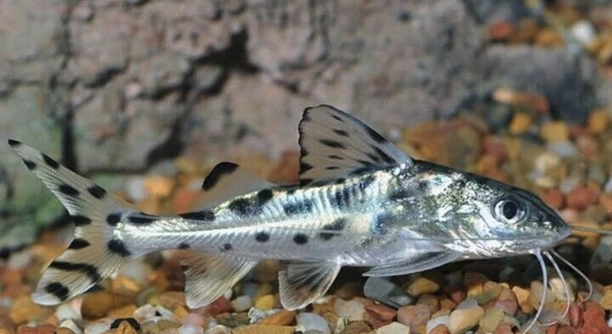
Many fish owners enjoy keeping Pictus Catfish for their active nature and unique appearance. These fish need specific water conditions to stay healthy and happy in home aquariums. Proper care can make a big difference in their well-being.
Pictus Catfish require stable water parameters such as temperature between 75-81°F, pH around 6.5-7.5, moderate hardness, and good oxygen levels to thrive. Clean, well-filtered water with low ammonia and nitrate is essential for their health.
Knowing the right water conditions can help you create a safe environment for your catfish to flourish. This article will guide you through the key factors to keep in mind for their care.
Temperature Range
Pictus Catfish are sensitive to changes in water temperature. Keeping their tank between 75 and 81 degrees Fahrenheit is ideal. Temperatures outside this range can stress the fish, weakening their immune system and making them prone to illness. Sudden temperature swings should be avoided, so use a reliable heater and thermometer to maintain consistency. This range mimics their natural habitat and supports their activity and feeding behavior. A stable environment encourages these fish to explore and interact with their surroundings comfortably. It also helps with their digestion and overall metabolism, which are essential for their growth and longevity. Watching the catfish swim actively and peacefully is often a sign that the temperature is just right.
Maintaining stable temperature is a key factor for healthy Pictus Catfish. Consistent warmth supports their immune system and general well-being.
Temperature control is straightforward but crucial. Investing in a good aquarium heater and thermometer ensures that your Pictus Catfish won’t suffer from stress caused by cold or heat. Avoid placing the tank near windows or vents to prevent sudden temperature changes. Regularly checking the water helps catch any problems early. This attention to temperature can lead to a longer, happier life for your catfish.
Water pH and Hardness
Pictus Catfish prefer slightly acidic to neutral water with a pH level between 6.5 and 7.5. This range helps keep their biological processes functioning properly. Water that is too alkaline or too acidic can cause stress or health problems over time. Along with pH, water hardness should be moderate, ideally between 4 and 15 dGH. These conditions resemble their natural river environments in South America. You can test your water regularly using kits from pet stores to monitor both pH and hardness levels.
Proper pH and hardness levels are essential for Pictus Catfish to maintain their health and avoid stress.
Balancing these factors might take some effort at first, but it is worth it. If your water’s pH or hardness falls outside the recommended range, there are products available to adjust them safely. Using natural elements like driftwood or peat can also help soften water and lower pH gently. Keeping these parameters stable will promote better fish behavior and reduce disease risk. Regular testing combined with gradual adjustments ensures your tank remains a comfortable home for your catfish.
Ammonia, Nitrite, and Nitrate Levels
Ammonia and nitrite must be kept at zero in the aquarium. Nitrate should be kept under 20 ppm for the safety of Pictus Catfish.
High ammonia or nitrite levels are toxic and can cause serious damage to the catfish’s gills and overall health. These compounds come from fish waste and uneaten food breaking down in the water. Regular water testing and partial water changes help keep these chemicals at safe levels. A properly cycled tank with a good filter supports beneficial bacteria that convert harmful substances into less dangerous ones.
Nitrate is less harmful but can still stress fish if it accumulates. Keeping nitrate low prevents health issues and helps maintain a clean environment. Regular maintenance, including vacuuming the substrate and changing water, is necessary to control nitrate buildup. This attention to water quality ensures your catfish will thrive and avoid common illnesses related to poor water conditions.
Oxygen Levels and Filtration
Adequate oxygen in the water is essential for Pictus Catfish to breathe and stay active. Strong water movement and surface agitation improve oxygen exchange.
A good filtration system is necessary to remove waste and maintain water quality. Filters also help oxygenate the water by circulating it, preventing stagnation. Mechanical, biological, and chemical filtration methods combined create the healthiest environment. Regular cleaning of filter media ensures proper function without disturbing beneficial bacteria. It’s important to choose a filter suitable for your tank size and stocking level. Over-filtering is better than under-filtering for these fish, as it keeps the water clear and oxygen-rich.
Filters also reduce harmful substances and keep the tank environment stable. This balance supports the catfish’s immune system and reduces stress. Clean water encourages normal feeding and activity levels. In addition, proper filtration cuts down on odors and algae growth, making tank care easier and more pleasant.
Tank Size and Space
Pictus Catfish need enough space to swim freely. A tank of at least 30 gallons is recommended for a small group.
Overcrowding causes stress and poor water quality. Providing ample space helps them stay active and healthy.
Substrate Type
A soft sandy substrate is best for Pictus Catfish. It protects their delicate barbels from injury.
Sharp or rough gravel can cause damage and infections. Sand allows natural digging behavior, which they enjoy.
Lighting Conditions
Pictus Catfish prefer dim lighting or shaded areas. Bright lights may cause stress or hide their natural behavior.
FAQ
How often should I change the water for Pictus Catfish?
Regular water changes are crucial for maintaining good water quality. A weekly change of 20-30% of the tank water helps remove toxins like nitrate and replenishes minerals. If the tank is heavily stocked or if water tests show rising ammonia or nitrite, more frequent changes may be necessary to keep the environment safe and comfortable for your catfish.
Can Pictus Catfish live with other fish?
Yes, Pictus Catfish are generally peaceful and can coexist with other non-aggressive fish. They do well with similarly sized or larger tank mates. Avoid keeping them with overly aggressive species or very small fish that might be mistaken for food. Providing plenty of hiding spots and enough space reduces territorial disputes and stress.
What should I feed Pictus Catfish?
Pictus Catfish are omnivores and appreciate a varied diet. They eat sinking pellets, live or frozen foods like bloodworms and brine shrimp, and occasional vegetables. Feeding once or twice daily in small amounts prevents leftover food from polluting the tank. Their bottom-feeding habits mean food that sinks to the substrate is ideal.
Why are my Pictus Catfish hiding all the time?
Hiding behavior is normal if they feel stressed or unsafe. It can be caused by poor water quality, bright lighting, or aggressive tank mates. Ensuring proper water conditions, dim lighting, and providing hiding places like plants or caves helps them feel secure and encourages more activity.
How can I tell if my Pictus Catfish is healthy?
Healthy Pictus Catfish have clear eyes, intact fins, and smooth skin. They swim actively and respond to feeding times. Any signs of lethargy, clamped fins, unusual spots, or rapid breathing indicate stress or illness. Regular observation and water testing help catch problems early.
Is it okay to keep Pictus Catfish alone?
While they can survive alone, Pictus Catfish are social fish that prefer groups of three or more. Keeping them in groups reduces stress and encourages natural behavior like swimming together and exploring. Alone, they may become shy or inactive.
What is the ideal tank setup for Pictus Catfish?
A tank with soft sand substrate, moderate water flow, and plenty of hiding spots is best. Include driftwood, rocks, and live plants to create shaded areas. The water temperature should be kept between 75 and 81°F, with stable pH and hardness levels. Proper filtration and regular maintenance complete the setup.
Can Pictus Catfish tolerate changes in water conditions?
They are sensitive to sudden changes in temperature, pH, or chemical levels. Gradual adjustments are necessary when modifying water parameters. Rapid shifts can cause stress or shock, which lowers immunity and may lead to illness. Always test water before introducing new fish or treatments.
How long do Pictus Catfish typically live?
With proper care, Pictus Catfish can live around 8 to 10 years in captivity. Good water quality, a balanced diet, and a stress-free environment contribute to their longevity. Neglecting their needs shortens their lifespan significantly.
What common health problems affect Pictus Catfish?
Common issues include bacterial infections, parasites, and fin rot, usually linked to poor water quality or injuries. Maintaining clean water and avoiding rough substrates prevents many problems. If illness occurs, prompt treatment with appropriate medications is necessary to protect your fish.
This FAQ covers many important points to help your Pictus Catfish thrive. Following these guidelines will improve their quality of life and make your aquarium more enjoyable.
Taking good care of Pictus Catfish means paying close attention to their water conditions. These fish need stable temperature, clean water, and the right pH and hardness levels to stay healthy. It’s important to regularly check and maintain these factors to avoid stress or illness. A well-kept tank with proper filtration and oxygen levels creates a safe and comfortable home where the catfish can be active and live longer.
Providing enough space and a suitable tank environment also makes a big difference. Pictus Catfish enjoy soft sandy substrate and places to hide, such as plants or driftwood. These elements help protect their sensitive barbels and give them areas to feel secure. Bright lighting can stress them out, so keeping the tank dim or shaded helps them behave naturally. By setting up the tank thoughtfully, you encourage your catfish to explore and thrive.
In summary, caring for Pictus Catfish is about creating a stable and supportive habitat. Consistent water quality, proper tank setup, and a balanced diet are key to their well-being. When these needs are met, the fish show healthy activity and vibrant appearance. With some effort and attention, you can enjoy watching your Pictus Catfish flourish over many years in your aquarium.

Hello,
If you enjoy the content that we create, please consider saying a "Thank You!" by leaving a tip.
Every little bit helps us continue crafting quality advice that supports the health, happiness, and well-being of pets around the world, for pets of all shapes, sizes, and species.
We really appreciate the kindness and support that you show us!