
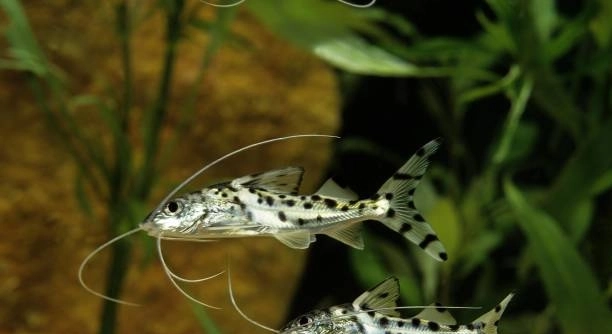
Are your pictus catfish constantly chasing their tankmates, creating stress in what should be a peaceful aquatic environment? This common behavior can disrupt the balance and well-being of your entire aquarium community.
The main way to stop pictus catfish from chasing others is to reduce stress by improving tank conditions, adding hiding spaces, and increasing group size. These changes help mimic their natural habitat and reduce territorial or aggressive behavior.
Identifying the causes behind this behavior can help you maintain a healthier, more harmonious tank. Let’s explore how simple adjustments can make a big difference.
Why Pictus Catfish Chase Other Fish
Pictus catfish are naturally active and fast swimmers. In community tanks, their energy can come across as aggression, especially if the tank is too small or lacks proper structure. These fish are territorial and need space to move freely. When space is limited, or there aren’t enough hiding spots, they can chase others out of stress or dominance. Additionally, pictus catfish are nocturnal and may become more restless at night, disturbing tankmates during feeding or resting hours. Overcrowding, incompatible tankmates, or keeping only one or two pictus can all increase this behavior. These fish feel more secure in small groups and prefer a well-decorated tank with subdued lighting. Understanding what drives them helps reduce stress for all the fish in your tank. A peaceful environment starts by meeting their basic needs and respecting their natural behavior.
A tank that feels too open, too small, or too crowded will likely make your pictus more restless and agitated.
Observing your pictus catfish closely during feeding or nighttime activity can help you pinpoint when the chasing occurs. Try dimming the lights or adjusting your feeding times to see if their behavior improves. If they’re alone, consider adding a few more of their kind.
How to Create a Calmer Tank
A peaceful tank begins with the right setup.
To reduce chasing, start with a tank that’s at least 55 gallons for a small group of pictus catfish. This gives them enough space to swim without bumping into other fish constantly. Add caves, plants, and driftwood to create breaks in sightlines—this helps lower stress by offering places to hide. Dim lighting mimics their natural habitat and encourages a calmer temperament. Try to keep them in groups of at least three, as being in a group helps them feel more secure and less dominant. Make sure tankmates are fast, mid-to-top swimmers who won’t get cornered easily. Avoid slow, long-finned fish. Feed them consistently with a high-protein sinking pellet to keep them satisfied and occupied. Finally, maintain clean water and stable conditions. Regular water changes and proper filtration go a long way in preventing aggressive behavior. These small changes can completely shift the energy in your tank and improve the well-being of every fish.
Choosing the Right Tankmates
Some fish are simply too slow or passive to share a tank with pictus catfish. Long-finned species or small, delicate fish often become targets for chasing or fin-nipping, especially in crowded or poorly arranged tanks.
Stick with fast-swimming, mid-sized fish that can hold their own. Silver dollars, giant danios, and rainbowfish are good options because they’re quick and tend to stay in the upper parts of the tank. Avoid angelfish, bettas, or fancy guppies, as their slow movement and trailing fins make them too vulnerable. Tankmates should prefer different swimming zones and have calm, non-aggressive temperaments. This balance keeps your pictus from feeling the need to dominate. Pay attention to how new additions behave in the first few days. If you notice immediate signs of stress or constant chasing, it’s better to remove the incompatible fish early before serious harm is done.
Pictus catfish do best with fish that can match their energy but don’t compete for space. It’s also important to avoid bottom dwellers that might trigger territorial disputes. Corydoras or small plecos, for example, often get too close to the same areas pictus prefer. That overlap can lead to unnecessary tension. Keep the tank dynamic but not chaotic. A peaceful community depends on thoughtful pairings.
Rearranging the Tank Setup
A new layout can quickly change behavior.
Break up open space using tall plants, caves, or driftwood. When the tank feels more private and less exposed, pictus catfish are less likely to chase out of territorial instinct. Changing the layout also disrupts established dominance patterns.
Try placing hiding spots along the bottom and in the corners, where pictus catfish tend to rest. Spread decor evenly across the tank to reduce competition for a single zone. Floating plants help block light and calm overly active fish. Make sure there’s room for free swimming in the center but include enough obstructions to break up constant sightlines. Every fish should have at least one secure place to retreat. This kind of layout reduces stress and improves overall behavior. Rearranging also gives you a chance to inspect for issues like dead zones or poor filtration flow, both of which can affect mood and water quality.
Monitoring Feeding Behavior
Feeding time can trigger chasing, especially if food is limited or spread unevenly. Use sinking pellets to make sure the pictus catfish get enough without competing aggressively with others. Feed in multiple spots to reduce tension.
Overfeeding or inconsistent feeding schedules can make them restless. Keep a routine and avoid skipping meals. A steady pattern helps reduce anxiety and lowers the chances of aggressive behavior during feeding.
Keeping Groups Balanced
Pictus catfish are social, but they need a proper group size to thrive. Keeping just one or two often increases aggression. A small group of three to six helps them feel more secure and less territorial. This balance allows them to spread out their energy and reduces stress-driven chasing. Make sure your tank is large enough to support a group without overcrowding. When they feel safe and have companions of their own kind, they’re less likely to bother others. A balanced group not only helps with behavior but also brings out more natural swimming patterns and interactions.
Watching for Warning Signs
Sudden changes in behavior, such as increased aggression or hiding, may signal stress or illness. Track their activity regularly and act early if something feels off.
FAQ
Why do pictus catfish chase other fish so much?
Pictus catfish are fast, active swimmers with a curious nature. In small tanks or poorly arranged environments, this behavior often turns into chasing. It isn’t always aggression—it’s sometimes overstimulation or boredom. Still, if the tank is too small, too open, or lacks hiding spots, the behavior can stress other fish. They’re also territorial by nature, especially if housed alone or in pairs. Chasing usually increases during feeding time or in the dark when they become more active. Giving them space, hiding areas, and proper tankmates helps reduce the frequency of chasing in most cases.
Do pictus catfish need to be in groups?
Yes, they do better in groups of at least three. When kept alone or as a pair, they become more dominant or restless. A proper group helps spread out their energy and reduces the urge to chase other tankmates. However, this requires enough tank space to avoid overcrowding. In a well-sized tank, a small school will stick together, explore more naturally, and show calmer behavior overall. Just make sure your tank can support the bio-load, and provide plenty of places to hide or rest. This setup brings out their best traits and keeps others safe.
Can pictus catfish live with other bottom dwellers?
They can, but it depends on the species. Avoid slow or small bottom dwellers like corydoras or kuhli loaches, as they share the same space and may get chased. Larger plecos or synodontis catfish may work if the tank is big enough and has multiple hiding areas. It’s important to give each species its own territory. If two types of fish compete for the same hiding spots or food, tension builds. Keep a close eye on their interactions, especially early on, and be ready to rehome or rearrange if things don’t work out.
What size tank is best for pictus catfish?
A 55-gallon tank is the minimum for a small group. These fish are active and need space to swim quickly. A longer tank is better than a tall one because it gives them more horizontal room. If you plan to add other species, consider going larger. Space is one of the key factors that affects their mood and overall health. When they feel cramped or don’t have room to explore, chasing increases. Along with tank size, make sure you have strong filtration and plenty of cover to help them feel secure and less reactive.
Are pictus catfish aggressive?
They are not truly aggressive, but they are energetic and territorial. Their behavior often appears aggressive because of their speed and persistence, especially at night. Most of the time, they are just exploring or reacting to their environment. That said, in small tanks or when stressed, they can become more forceful. Keeping them well-fed, in groups, and in a peaceful setup usually prevents this. They’re not bullies by nature—they just need space and the right company. Understanding their behavior helps prevent conflicts and keeps the tank balanced.
How can I tell if my tank setup is causing stress?
Look for signs like constant chasing, hiding, or refusing food. If the tank feels too bare, too bright, or too crowded, your fish will show signs of stress. Rearranging decor, dimming lights, or adding plants and hiding spaces often helps. Fish that act unusually jumpy or aggressive are reacting to discomfort in their surroundings. Make changes one step at a time and observe the effect. Even small updates, like redirecting the filter flow or adding floating plants, can shift their mood.
Is it okay to keep just one pictus catfish?
It’s not ideal. A single pictus catfish often becomes hyperactive or aggressive over time. They are social and prefer the company of their own kind. Without it, they may act out toward other tankmates or stay overly restless. While it’s possible to keep one in a community tank, the risks of stress-driven behavior are higher. If you have space, try keeping at least three. This simple change improves their behavior and makes the tank feel more natural.
Can lighting affect their behavior?
Yes, bright lights can make pictus catfish feel exposed and anxious. They’re nocturnal and prefer dim or shaded conditions. Too much lighting increases their activity and chasing, especially if the tank lacks hiding spots. Floating plants, caves, and darker substrate help reduce stress. If you notice your pictus constantly darting or bothering other fish during the day, reducing light intensity or duration can help. A soft, natural lighting setup makes a big difference in calming their overall behavior and supporting healthier interactions.
Final Thoughts
Pictus catfish are active, curious fish that bring a lot of movement to an aquarium. However, their fast swimming and strong personalities can sometimes lead to unwanted chasing. This behavior may look aggressive, but it often comes from stress, boredom, or lack of space. With the right setup and attention to their needs, this chasing can be reduced or even avoided. It’s important to understand that pictus catfish are not naturally mean or dangerous—they just need the right conditions to feel comfortable and stay calm. Watching their behavior closely and making small changes when needed can make a big difference.
Choosing tankmates carefully is one of the most effective ways to reduce conflict. Fish that are too small, slow, or have long fins often trigger chasing, even if the pictus doesn’t mean to harm them. Instead, go for fast-moving, mid-sized species that prefer different swimming levels. Rearranging the tank, providing hiding spots, and keeping the lighting low are all simple but effective steps. Feeding habits also matter more than people think. A regular schedule, multiple feeding spots, and enough food for everyone can reduce tension. These changes don’t need to be complicated or expensive, but they do need to be consistent.
Caring for pictus catfish means looking at the full picture. Group size, tank layout, lighting, food, and tankmates all play a role in how they behave. A few small changes can prevent a lot of stress—for both the fish and the person caring for them. Keeping them in groups, offering plenty of space, and creating a peaceful tank environment can reduce chasing and encourage more natural behavior. When their needs are met, pictus catfish become lively but peaceful members of the tank. They’re fun to watch and bring energy to the aquarium, as long as the setup supports their nature. With a bit of planning and regular care, they can live comfortably without bothering others.

Hello,
If you enjoy the content that we create, please consider saying a "Thank You!" by leaving a tip.
Every little bit helps us continue crafting quality advice that supports the health, happiness, and well-being of pets around the world, for pets of all shapes, sizes, and species.
We really appreciate the kindness and support that you show us!