
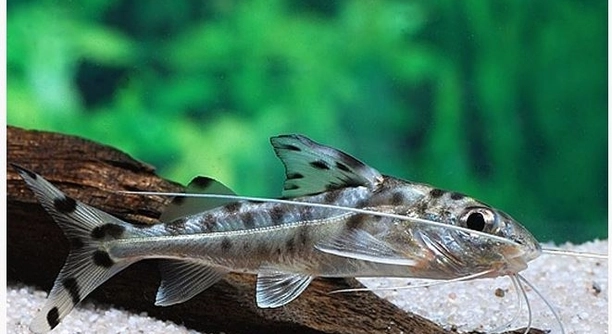
Do you ever wonder if your Pictus Catfish feel bored in their tank? Many fish owners notice their catfish swimming the same routes or resting for long periods. These behaviors can make you question your fish’s mental state.
Pictus Catfish can experience boredom, especially in simple or unstimulating environments. Without enough hiding spots, plants, or activities, these active fish may show signs of restlessness or lethargy. Providing enrichment is important for their well-being.
Knowing how to keep your Pictus Catfish engaged can improve their health and happiness. Simple changes to their environment can make a big difference in their daily behavior.
Why Pictus Catfish May Get Bored
Pictus Catfish are naturally active and social fish. In the wild, they spend a lot of time exploring their environment, searching for food, and interacting with other fish. When kept in tanks without enough stimulation, they can become bored because their needs aren’t fully met. A bare tank or one with little structure can lead to repetitive swimming patterns or long periods of inactivity. They thrive when there are hiding spots, plants, or decorations that break up the space. Movement in the tank, such as gentle water flow, also keeps them engaged. Without these, their behavior can change, showing signs of stress or lethargy. Watching these signs early can help you improve their tank setup and make their home more enjoyable.
Adding more natural elements and places to explore will keep them busy and healthy.
Providing a lively environment mimics their natural habitat, supporting their physical and mental health. It reduces stress and encourages natural behavior like foraging and hiding.
How to Keep Your Pictus Catfish Engaged
Introducing plants, caves, and driftwood can create a stimulating environment for your catfish. They appreciate places to hide and rest, which also helps them feel secure. Changing tank decorations occasionally can keep their surroundings fresh and interesting. Adding gentle water movement mimics river currents and invites exploration. You can also feed them a varied diet that encourages hunting behavior, like sinking pellets or live foods. These small changes prevent boredom and promote healthier, more active fish.
Tank enrichment is simple but very effective.
Regularly adjusting the tank setup and feeding routine can maintain their interest. Some owners also keep compatible tank mates to encourage social interaction. Always observe your catfish to see how they respond to changes. Keeping their environment dynamic supports both their happiness and well-being over time.
Signs Your Pictus Catfish Is Bored
A bored Pictus Catfish may swim aimlessly, avoid hiding spots, or rest more than usual. It might lose interest in food or show unusual aggression toward tank mates. These behaviors often point to a lack of stimulation in the tank environment.
Fish need mental challenges, even if it’s subtle. When bored, they can become less active or stressed, affecting their health. Changes like swimming in repetitive patterns or hiding constantly can be warning signs. Sometimes, they ignore food, which is unusual since they are normally eager eaters. Watching these changes closely helps you know when it’s time to improve their habitat.
Noticing these signs early allows you to add new decorations or change feeding routines. This keeps your catfish happier and helps prevent stress-related illness.
Best Toys and Activities for Pictus Catfish
Pictus Catfish enjoy exploring caves, tunnels, and dense plants. These structures offer hiding places and encourage natural behaviors. Floating plants or gentle water currents also provide stimulation by changing the environment slightly each day.
Interactive feeding is another way to engage them. Using sinking pellets, frozen bloodworms, or live foods promotes hunting behavior. Scattering food encourages movement and mental focus. Avoid overfeeding; a balanced diet is best. Also, changing tank layouts every few weeks keeps things interesting.
Offering a variety of hiding spots and regularly adjusting the tank setup encourages activity and curiosity. These simple changes support your fish’s mental health and overall well-being.
How Often Should You Change Tank Decor
Changing tank decor every few weeks can keep your Pictus Catfish curious and active. Small adjustments like moving plants or adding new hiding spots help maintain their interest.
Avoid making too many changes at once. Gradual updates reduce stress and let your fish adjust comfortably to their environment.
Feeding Tips to Prevent Boredom
Offering a varied diet is key to keeping Pictus Catfish interested in feeding time. Mix sinking pellets with occasional live or frozen foods to encourage natural hunting behaviors.
Avoid overfeeding by sticking to appropriate portion sizes. Feeding small amounts multiple times a day works best for their digestion and activity levels.
Suitable Tank Mates for Pictus Catfish
Good tank mates include peaceful species like tetras, gouramis, or other non-aggressive fish. Avoid aggressive or overly large fish that may stress your catfish.
Compatible companions can stimulate social behavior and add interest to the tank environment.
Can Pictus Catfish Get Lonely?
Pictus Catfish are social fish that often do better when kept in groups of at least three or more. Being alone can make them stressed or less active because they miss the interaction and movement of other fish. Having tank mates provides company, which helps reduce boredom and encourages natural schooling behavior. However, the tank size should be large enough to support multiple fish comfortably. Small or overcrowded tanks can cause stress instead of comfort, so balance is important.
How Can I Tell If My Pictus Catfish Is Stressed?
Signs of stress in Pictus Catfish include hiding more than usual, refusing food, erratic swimming, or losing color. They might also rub themselves against objects in the tank, which can indicate irritation or discomfort. Stress can result from poor water quality, overcrowding, or an unstimulating environment. Regular water tests and tank maintenance help reduce stress. Adding plants, caves, and gentle water flow creates a safer, more natural space where the catfish feels secure.
What Are the Best Foods to Keep Pictus Catfish Interested?
A varied diet is best to keep your Pictus Catfish engaged. Sinking pellets designed for bottom feeders are a staple, but supplementing with frozen or live foods like bloodworms, brine shrimp, or daphnia encourages natural hunting behavior. Treats like these also add nutritional variety. Avoid overfeeding and remove leftover food to keep water quality high. Feeding small portions multiple times a day mimics their natural feeding habits and keeps them more active.
Do Pictus Catfish Need a Special Tank Setup to Prevent Boredom?
Yes, their tank should have plenty of hiding spots like caves, driftwood, and plants. These offer places to rest and feel secure. Open swimming areas with gentle water flow mimic their natural river habitat and encourage movement. Changing decorations occasionally and adding floating plants can provide extra stimulation. The tank size should be at least 30 gallons for a small group to allow enough space for exploration and social behavior.
How Can I Make Feeding Time More Interesting for My Catfish?
Scattering food around the tank encourages your catfish to move and search. Using feeding rings or placing food in different spots keeps them active and prevents boredom. Offering live or frozen foods adds excitement compared to just pellets. Rotate food types regularly so they don’t get used to one kind. Feeding multiple small meals a day is better than one large meal to mimic natural foraging.
Are There Tank Mates That Help Prevent Boredom?
Yes, peaceful, active fish like small tetras, rasboras, or gouramis make good companions. These fish move around the tank and interact without stressing the Pictus Catfish. Avoid aggressive or overly large fish that could bully or frighten them. Tank mates provide social interaction, which helps keep your catfish engaged and comfortable in their environment. Always research compatibility before adding new fish.
How Often Should I Rearrange My Tank to Keep My Pictus Catfish Interested?
Rearranging the tank every few weeks or once a month is usually enough to keep your catfish curious without causing stress. Make small changes, like moving plants or hiding spots, instead of a full redesign. This gradual approach lets them adjust while renewing their interest in exploring. Too frequent or drastic changes can make them feel insecure.
Can Pictus Catfish Play With Toys or Other Objects?
While they don’t “play” like mammals, Pictus Catfish respond well to environmental enrichment. Introducing new objects such as smooth stones, driftwood, or tunnels encourages exploration. Movement in the water or bubbles also adds stimulation. Changing decorations occasionally is more effective than adding toys. Their interest comes from interaction with the environment rather than objects designed specifically as toys.
What Should I Avoid to Prevent Boredom and Stress in My Pictus Catfish?
Avoid bare tanks without hiding places or plants, as these lead to boredom and stress. Overcrowding or incompatible tank mates can cause aggression and fear. Poor water quality also stresses fish and reduces their activity. Keeping a clean, well-maintained tank with enough space and enrichment is key to a healthy, happy catfish. Regularly monitor their behavior and environment to catch issues early.
Is It Normal for Pictus Catfish to Rest for Long Periods?
Yes, resting is normal, especially during the day since Pictus Catfish are mostly nocturnal. However, if they rest too much or seem inactive even at night, it could indicate boredom, stress, or illness. A well-stimulated catfish will have periods of activity and rest. Watching their normal routine helps you spot any unusual changes that might need attention.
When caring for Pictus Catfish, understanding their behavior and needs is important. These fish are naturally active and curious, so they need an environment that keeps them engaged. Without enough stimulation, they can become bored, which may affect their health and happiness. Providing places to hide, exploring new decorations, and offering a varied diet helps prevent boredom. Simple changes in their tank setup can make a big difference in their daily life. It’s important to pay attention to how they behave and adjust their environment when needed.
A well-maintained tank with enough space and suitable tank mates also supports your catfish’s well-being. Social interaction with other peaceful fish keeps them more active and less stressed. Keeping water quality high through regular cleaning and testing is another key factor. Stress can cause fish to lose color, stop eating, or hide excessively. By creating a calm, enriched space, you help your Pictus Catfish feel safe and comfortable. Watching for signs of boredom or stress allows you to act quickly and improve their habitat.
In summary, Pictus Catfish do best in a tank that offers variety and stimulation. They enjoy exploring, hiding, and searching for food. Changing tank decor regularly and feeding different foods keeps them interested. Keeping them in groups and choosing peaceful companions also adds to their quality of life. With simple care and attention, your Pictus Catfish can stay healthy, active, and content. Their happiness comes from an environment that meets both their physical and mental needs.

Hello,
If you enjoy the content that we create, please consider saying a "Thank You!" by leaving a tip.
Every little bit helps us continue crafting quality advice that supports the health, happiness, and well-being of pets around the world, for pets of all shapes, sizes, and species.
We really appreciate the kindness and support that you show us!