
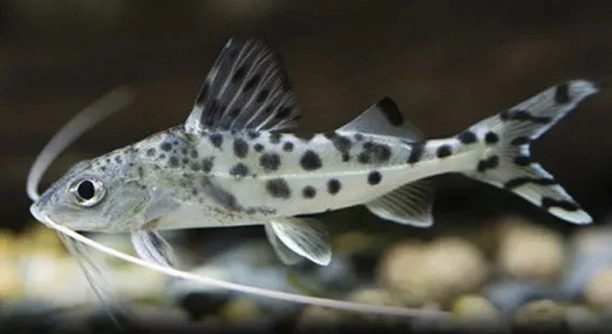
Keeping a community aquarium can be both enjoyable and challenging, especially when mixing different fish species. Many aquarium enthusiasts wonder about the compatibility of Pictus catfish and tetras. Both are popular choices for freshwater tanks due to their unique behaviors and appearances.
Pictus catfish can generally coexist peacefully with tetras in a shared tank environment. They are bottom dwellers while tetras occupy the mid to upper levels, which reduces direct competition. Proper tank size and hiding spots help maintain harmony between these species.
Learning about their habits and needs will help you create a balanced and healthy aquarium environment. This article explores the key points for successfully keeping Pictus catfish and tetras together.
Understanding Pictus Catfish Behavior
Pictus catfish are active, bottom-dwelling fish known for their quick movements and social nature. They prefer to live in groups of at least three or more to feel comfortable. Their behavior is mostly peaceful, but they can be skittish around aggressive or overly active tank mates. Pictus catfish like to explore the tank’s bottom, scavenging for leftover food, which helps keep the tank clean. They also enjoy hiding spots, such as caves or dense plants, to retreat when they feel threatened or tired. It is important to provide enough space and places for them to hide. Without enough room or shelter, they might become stressed, which can affect their health. Overall, their active but gentle nature makes them compatible with many mid- and top-level swimmers, including tetras.
Pictus catfish are nocturnal feeders, meaning they are more active during the evening and night. This habit reduces competition with tetras during the day.
Creating an environment that respects these behavior patterns helps both Pictus catfish and tetras thrive. It also prevents unnecessary stress and promotes natural interaction, making the tank more peaceful and enjoyable to watch. Providing hiding places and keeping the tank clean will support their health and encourage their natural behaviors.
Tetras and Their Social Needs
Tetras are schooling fish that thrive in groups of six or more. They are lively swimmers, often occupying the middle and upper areas of the aquarium. These fish prefer stable water conditions and gentle currents to feel secure.
When housed with Pictus catfish, tetras typically maintain their own space since their swimming levels differ. However, tetras may become stressed if water quality declines or if the tank is overcrowded. Proper filtration and regular maintenance are essential to keep both species healthy. It is also important to avoid housing tetras with aggressive or much larger fish, as this can cause fear and stress.
Tetras have a peaceful temperament and generally do not bother bottom dwellers like Pictus catfish. Their active schooling behavior adds movement and color to the tank, complementing the more subtle activity of the catfish. By understanding their social needs and maintaining good tank conditions, you can successfully keep these fish together, creating a balanced aquatic environment.
Tank Conditions for Compatibility
Maintaining stable water conditions is crucial when keeping Pictus catfish with tetras. Both species prefer similar temperature and pH ranges, making shared habitats easier to manage. Clean water and proper filtration reduce stress and prevent disease.
Pictus catfish and tetras both thrive in water temperatures between 72°F and 78°F (22°C to 26°C). The pH should be slightly acidic to neutral, ideally between 6.5 and 7.5. Consistent water parameters help prevent health problems and aggressive behavior caused by stress. Adequate filtration is necessary to keep the water clear and well-oxygenated. Avoid sudden changes in temperature or water chemistry, as both fish are sensitive to rapid fluctuations. Regular water changes and monitoring water quality will support their overall wellbeing and promote peaceful coexistence.
Choosing the right tank size also plays an important role. A minimum of 30 gallons is recommended for a small group of Pictus catfish and tetras. This space allows both species to establish their preferred swimming levels and reduces territorial disputes. Providing plenty of hiding spots and open swimming areas balances their needs, making the tank comfortable for all inhabitants.
Feeding Practices to Avoid Conflict
Both Pictus catfish and tetras have different feeding habits, which can reduce competition for food when properly managed. Pictus catfish mostly feed at the bottom, while tetras eat near the surface and mid-levels. Feeding them separately or at different times can help avoid conflict.
It is important to provide a varied diet that meets the nutritional needs of both species. Pictus catfish enjoy sinking pellets, wafers, and occasional live or frozen foods like bloodworms or brine shrimp. Tetras prefer flakes or small pellets suitable for surface or mid-water feeding. Feeding small amounts several times a day ensures both species get enough food without overfeeding the tank, which can harm water quality. Observing feeding behavior will help adjust portions and timing to keep the fish healthy and peaceful. Keeping a routine feeding schedule creates a calm environment and prevents competition or aggression during meal times.
Signs of Stress to Watch For
Both Pictus catfish and tetras can show signs of stress if their environment isn’t right. Look for unusual hiding, loss of appetite, or erratic swimming. These behaviors indicate they may need changes in tank conditions or companions.
Stress can also lead to weakened immune systems, making fish more vulnerable to disease. Prompt attention to these signs helps keep your fish healthy and peaceful in the community tank.
Tank Setup Tips for Harmony
A well-planned tank setup reduces conflict between Pictus catfish and tetras. Use plenty of plants, rocks, and hiding spots to create separate zones. This provides security and space for both species to feel comfortable.
Adding gentle water flow mimics their natural habitat and keeps water oxygenated. Soft substrate prevents injury to the catfish’s sensitive barbels. Ensure there is open swimming space for tetras to school freely without disturbance. These elements combined help maintain balance and calm in the aquarium.
Common Mistakes to Avoid
Overcrowding the tank can cause stress and aggression. Avoid mixing Pictus catfish with aggressive or much larger fish. Neglecting water quality or sudden changes in conditions also harm both species. Consistency and space are key to keeping the community peaceful.
FAQ
Can Pictus catfish and tetras live together peacefully?
Yes, Pictus catfish and tetras usually live peacefully together. Their different swimming levels help reduce competition—Pictus catfish stay near the bottom while tetras swim in the middle or upper parts of the tank. With proper tank size and care, these species can coexist without problems.
How many Pictus catfish should I keep with tetras?
It’s best to keep Pictus catfish in groups of at least three to five. Tetras should be kept in schools of six or more. This helps reduce stress and encourages natural behavior in both species, making the tank more peaceful and balanced.
What tank size is suitable for Pictus catfish and tetras?
A minimum of 30 gallons is recommended for a small group of both species. Larger tanks provide enough space for hiding spots and swimming areas, which reduces territorial behavior and stress.
What water conditions do Pictus catfish and tetras need?
Both prefer temperatures between 72°F and 78°F (22°C to 26°C) and slightly acidic to neutral pH levels, around 6.5 to 7.5. Stable water parameters and clean, well-filtered water are important to keep both species healthy.
Do Pictus catfish eat the same food as tetras?
No, their diets differ but complement each other. Pictus catfish eat sinking pellets and protein-rich foods like bloodworms, while tetras eat flakes or small pellets that float near the surface. Feeding them separately helps reduce competition.
Can Pictus catfish be aggressive toward tetras?
Pictus catfish are generally peaceful but can become skittish or stressed if overcrowded or in poor tank conditions. Proper tank setup and size help prevent aggression. Avoid mixing with aggressive or much larger fish to keep peace.
How often should I feed Pictus catfish and tetras?
Feeding small amounts two to three times a day works well. This ensures both species get enough nutrition without overfeeding, which can pollute the tank. Observe your fish to adjust portions based on their behavior and appetite.
What signs show that Pictus catfish or tetras are stressed?
Signs include hiding too much, loss of appetite, rapid gill movement, or erratic swimming. Stress may also cause faded colors or lethargy. If these signs appear, check water quality, tank mates, and feeding routines.
How can I create hiding spots for Pictus catfish?
Use rocks, caves, driftwood, or dense plants to create secure hiding places near the bottom of the tank. Pictus catfish like to retreat to these areas when resting or feeling threatened.
Is it necessary to have plants in a tank with Pictus catfish and tetras?
Plants are helpful but not required. They improve water quality, provide hiding spots, and reduce stress. Live or artificial plants work, as long as they don’t overcrowd the tank and allow enough swimming space for tetras.
What should I do if Pictus catfish or tetras fight?
First, check if the tank is overcrowded or lacks hiding spots. Make sure water conditions are stable and food is sufficient. Separating aggressive fish temporarily may be needed. Adjust tank setup or reduce stressors to prevent future conflicts.
Can Pictus catfish jump out of the tank?
Yes, Pictus catfish are known to jump, especially if stressed or startled. A secure tank lid is important to prevent escapes and keep your fish safe.
Are Pictus catfish sensitive to water changes?
They can be sensitive to sudden changes. Always perform gradual water changes and maintain stable temperature and pH levels to avoid stressing them.
How long do Pictus catfish and tetras live?
Pictus catfish live about 8 to 10 years, while tetras typically live 3 to 5 years. Good care, proper tank conditions, and a healthy diet can help maximize their lifespan.
Can I keep other fish with Pictus catfish and tetras?
Yes, but choose peaceful species that occupy different tank levels. Avoid aggressive or much larger fish to maintain harmony. Research each species’ needs before adding them to the tank.
What is the best way to introduce Pictus catfish and tetras to the tank?
Introduce tetras first because they are more sensitive to water changes. Wait a few days before adding Pictus catfish to allow water parameters to stabilize. Monitor both species closely for signs of stress or aggression.
Keeping Pictus catfish and tetras together can work well when the right conditions are met. These two fish species have different habits and prefer different areas in the tank, which helps reduce conflict. Pictus catfish stay near the bottom while tetras swim in the middle and upper parts. This natural separation makes it easier for them to share the same space without bothering each other. Still, it is important to provide enough room, hiding spots, and proper water conditions to keep both species healthy and comfortable.
Tank size plays an important role in their peaceful coexistence. A minimum of 30 gallons is a good starting point for small groups of Pictus catfish and tetras. Larger tanks are even better because they give fish more space to explore and less chance to feel threatened or crowded. Adding plants, rocks, or decorations creates natural hiding places, which helps reduce stress. Stress can lead to illness or aggressive behavior, so providing a calm environment is key. Maintaining stable water temperature and quality also supports their well-being and prevents many common health problems.
Feeding both species properly is another important factor. Since Pictus catfish are bottom feeders and tetras eat near the surface, offering food suitable for each helps avoid competition. Feeding smaller amounts more frequently encourages better eating habits and keeps the tank clean. Observing your fish regularly will help you notice any changes in behavior or health early on. With attention to their needs and careful tank management, Pictus catfish and tetras can live together peacefully and add beauty to your aquarium. Taking these simple steps ensures a healthy and balanced tank environment for both species.

Hello,
If you enjoy the content that we create, please consider saying a "Thank You!" by leaving a tip.
Every little bit helps us continue crafting quality advice that supports the health, happiness, and well-being of pets around the world, for pets of all shapes, sizes, and species.
We really appreciate the kindness and support that you show us!