
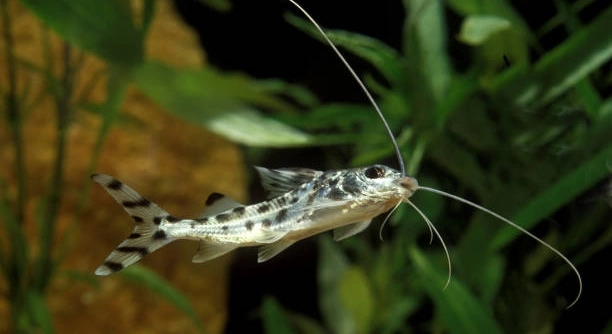
Pictus catfish are popular freshwater fish known for their lively behavior and social interactions. Observing their movements can sometimes be confusing when trying to understand if they are forming bonds or displaying aggression. Recognizing the difference is important for maintaining a peaceful aquarium.
Pictus catfish bond through synchronized swimming, gentle nudging, and calm interactions, while fighting involves chasing, rapid fin flaring, and aggressive biting. These distinct behaviors indicate social bonding or territorial disputes, helping owners interpret their fish’s relationships clearly.
Learning to tell these behaviors apart helps create a better environment for your fish. This guide explains the key signs so you can care for your pictus catfish with confidence.
Recognizing Bonding Behaviors in Pictus Catfish
Pictus catfish display several clear signs when they are bonding. You will notice them swimming side by side, sometimes even touching gently with their barbels or bodies. This synchronized movement shows they are comfortable with each other. They may also take turns exploring different areas of the tank while keeping an eye on each other. Their fins remain relaxed and smooth, without any signs of tension. Sometimes, they rest close together, which indicates trust and companionship. These behaviors help establish social connections and reduce stress in the aquarium. Watching for these signs can help you ensure your fish are happy and getting along well.
Gentle nudging and calm swimming are good indicators of social bonding among pictus catfish.
Understanding these behaviors allows you to promote a peaceful environment. Providing plenty of space and hiding spots encourages natural bonding. Avoid overcrowding the tank, as too many fish can increase stress and lead to aggression. Maintaining water quality and consistent feeding routines also supports positive social interactions. Observing your catfish regularly helps catch any changes early before conflicts arise. This knowledge makes it easier to care for your fish and keep them healthy.
Identifying Aggression and Fighting
Aggressive behavior in pictus catfish is more obvious and disruptive. You might see one fish chasing another aggressively around the tank. The chasing often includes rapid darting and attempts to corner the other fish. Fins will flare widely, showing off bright colors and sharp edges to intimidate rivals. Sometimes, biting happens, leading to visible marks or damaged fins. These fights can cause injury or stress, which impacts the fish’s health negatively. It’s important to recognize these signs early to prevent escalation. Aggression often results from competition for space, food, or dominance.
Aggression appears through chasing, fin flaring, and biting among pictus catfish.
To reduce aggression, rearranging tank decorations can help break established territories and confuse dominant fish. Increasing hiding spots allows submissive fish to retreat safely. Feeding multiple areas prevents competition for food. If fighting continues, separating the aggressive fish temporarily may be necessary. Monitoring the fish’s behavior closely after changes is important to ensure a calm tank environment. Providing proper care and space reduces conflict and supports the well-being of all your pictus catfish.
Understanding Body Language in Pictus Catfish
Pictus catfish use body language to communicate their mood and intentions. Their fin position, swimming speed, and body posture reveal whether they feel safe or threatened. Observing these signs helps in distinguishing friendly interactions from hostile ones.
When pictus catfish are calm and bonding, their fins remain relaxed and close to the body. They swim smoothly and at a steady pace without sudden jerks. Their bodies appear elongated and streamlined as they move confidently through the tank. Gentle touches with their barbels or sides are common, signaling social connection. This relaxed body language shows comfort and trust among tank mates.
Conversely, aggressive catfish flare their fins widely, making themselves look bigger. Their swimming becomes erratic, with rapid movements and sharp turns. Their bodies may curve or stiffen as they prepare to confront others. These changes warn that a fight may happen soon. Paying attention to these body cues allows better management of the tank’s social dynamics.
Creating a Harmonious Environment
A well-arranged tank reduces stress and encourages positive interactions among pictus catfish. Proper space, hiding places, and balanced feeding are key factors to maintain peace.
Adding plants, rocks, and caves provides shelter and breaks up sightlines, preventing dominance over territory. These elements allow shy fish to escape aggressive behavior. Ensuring the tank is large enough prevents overcrowding, which often triggers fights. Feeding should be done at multiple spots to avoid competition. Regular water changes and maintaining good water quality keep fish healthy and less prone to stress-related aggression. A balanced environment promotes natural bonding behaviors and reduces conflicts in your aquarium.
Common Signs of Stress in Pictus Catfish
Stress in pictus catfish can show through changes in behavior or appearance. Watching for these signs helps identify problems early to keep your fish healthy.
Signs include hiding more often, reduced activity, and loss of appetite. Stress can also cause dull colors or damaged fins.
How to Calm Aggressive Catfish
Reducing aggression often involves adjusting the environment. Adding more hiding spots and rearranging decorations can help break up established territories. Feeding in multiple areas also decreases competition. If aggression persists, separating the aggressive fish temporarily may be necessary to restore peace.
Importance of Regular Observation
Consistently watching your pictus catfish allows you to spot changes in behavior quickly. Early detection of bonding or fighting signs helps you respond appropriately and maintain a balanced tank environment.
When to Consult a Specialist
If aggressive behavior or stress symptoms worsen despite your efforts, consulting an aquarium specialist or vet can provide additional guidance tailored to your tank’s needs.
FAQ
How can I tell if my pictus catfish are bonding or just tolerating each other?
Bonding pictus catfish show calm and coordinated behaviors. They swim side by side, gently touch with their barbels, and rest close together. Their fins are relaxed, and they don’t chase each other aggressively. When they simply tolerate each other, you might see neutral swimming without much interaction or occasional avoidance. Bonding means they are comfortable and connected, while tolerance implies coexistence without real interaction.
What are the first signs of fighting in pictus catfish?
Fighting usually begins with chasing and rapid darting movements. You may see one catfish cornering another or quick flaring of fins to appear larger. Biting or fin nipping can follow these initial signs. The fish may also show stiff or curved body postures indicating aggression. Early intervention can prevent serious injuries.
Can pictus catfish change from bonding to fighting?
Yes, changes in the tank environment or social dynamics can cause bonded fish to become aggressive. Overcrowding, limited hiding places, or changes in feeding routines can increase stress and trigger fights. Observing behavior regularly helps catch these shifts early.
What tank size is ideal for pictus catfish to reduce aggression?
A tank of at least 55 gallons is recommended for a small group of pictus catfish. This size provides enough space to establish territories and avoid overcrowding. More space reduces competition and stress, which helps keep aggression low.
Are there specific tank decorations that help pictus catfish bond?
Yes, decorations like plants, rocks, and caves create hiding spots and visual barriers. These help reduce stress and allow fish to interact safely. Breaking sightlines prevents dominant fish from always seeing and chasing others. Natural hiding places encourage peaceful coexistence.
How often should I observe my pictus catfish to monitor their behavior?
Daily observation for a few minutes is ideal. This routine helps you notice small changes in behavior before problems escalate. Watching during feeding times is especially useful, as food competition often reveals social dynamics.
What should I do if aggression between pictus catfish escalates?
Start by rearranging tank decorations to disrupt territories and provide more hiding places. Feed fish in multiple areas to reduce competition. If aggression continues, temporarily separate the aggressive fish in a different tank or use a divider. Monitor their behavior closely after these changes.
Can pictus catfish live peacefully with other fish species?
Pictus catfish are generally peaceful but can become territorial. Choosing tank mates that are similar in size and temperament works best. Avoid overly aggressive or very small fish that might provoke stress or be seen as prey.
How does water quality affect pictus catfish behavior?
Poor water quality increases stress and can lead to aggression or illness. Maintaining clean, well-filtered water with stable temperature and pH helps keep fish healthy and calm. Regular water changes and testing prevent harmful conditions.
Is it normal for pictus catfish to be more active at night?
Yes, pictus catfish are primarily nocturnal. They often rest during the day and become more active after lights go off. Increased nighttime activity is natural and not a sign of fighting or stress.
What are common health signs to watch for in pictus catfish?
Healthy pictus catfish have clear eyes, smooth fins, and a shiny, undamaged body. Look out for torn fins, faded colors, lethargy, or loss of appetite, which can indicate stress or illness. Early detection leads to better care and treatment.
How can feeding habits indicate bonding or fighting?
During bonding, pictus catfish feed calmly together, often sharing food without chasing. Fighting fish compete aggressively for food, sometimes biting or pushing others away. Uneven feeding may show dominance or stress in the tank.
Can introducing new fish disrupt bonding among pictus catfish?
Adding new fish can cause temporary stress and disrupt established social bonds. Introducing new fish slowly and providing plenty of hiding places helps reduce tension. Monitor interactions closely after adding new tank mates.
Are there signs pictus catfish prefer solitude?
While pictus catfish are social, some individuals may prefer to keep distance. These fish tend to avoid group swimming and may spend more time hiding alone. Providing options for both socializing and solitude benefits all fish.
How long does it take for pictus catfish to bond?
Bonding can develop over days or weeks, depending on the tank conditions and individual personalities. Patience and a calm environment encourage positive social behavior. Avoid frequent changes that might stress the fish during this period.
Can stress from fighting affect pictus catfish lifespan?
Chronic stress from frequent fighting weakens the immune system and can shorten lifespan. Keeping the tank peaceful and meeting all care needs supports long-term health and happiness for your catfish.
When caring for pictus catfish, understanding their behavior is key to providing a healthy and peaceful environment. Recognizing the difference between bonding and fighting helps prevent unnecessary stress for the fish. Bonding behaviors such as synchronized swimming, gentle touching, and calm resting show that the catfish are comfortable with each other. On the other hand, chasing, fin flaring, and biting are clear signs of aggression that require attention. Paying close attention to these behaviors allows you to act quickly if conflicts arise, which can protect your fish from injury and promote harmony in the tank.
Creating the right environment plays a significant role in reducing aggression and encouraging bonding. Providing enough space, hiding spots, and breaking up territories with decorations can help minimize competition and stress. Feeding in multiple areas prevents fights over food, while maintaining good water quality keeps fish healthy and calm. Observing your pictus catfish regularly allows you to catch changes early and adjust their surroundings if needed. These small steps can make a big difference in maintaining a balanced and happy community of fish.
Overall, pictus catfish require careful observation and proper care to thrive together. Knowing how to identify bonding versus fighting behaviors is important for anyone keeping these fish. By creating a suitable habitat and addressing aggression promptly, you support their well-being and natural social behavior. This attention to detail ensures your pictus catfish live peacefully and enjoy their time in the aquarium. Providing them with the right conditions helps you appreciate their lively and social nature to the fullest.

Hello,
If you enjoy the content that we create, please consider saying a "Thank You!" by leaving a tip.
Every little bit helps us continue crafting quality advice that supports the health, happiness, and well-being of pets around the world, for pets of all shapes, sizes, and species.
We really appreciate the kindness and support that you show us!