
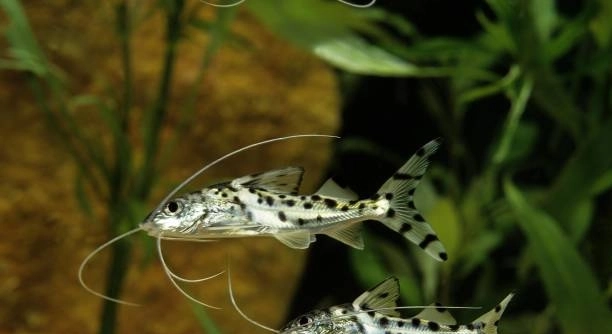
Keeping a pictus catfish healthy requires careful attention. Many owners want their fish to live longer but may unintentionally make mistakes. Understanding common pitfalls helps create a better environment for these lively freshwater fish.
Seven frequent errors can reduce a pictus catfish’s lifespan. These include poor water quality, incorrect diet, overcrowding, insufficient hiding places, improper tank maintenance, inadequate temperature control, and ignoring signs of illness. Avoiding these issues promotes longevity and wellbeing.
Knowing these mistakes can help you improve your catfish’s care. The following information explains each error clearly to support a healthier, longer life for your pet.
Poor Water Quality
Maintaining good water quality is essential for pictus catfish health. These fish are sensitive to changes in their environment, and poor water conditions can quickly affect their wellbeing. High levels of ammonia, nitrites, or nitrates in the tank can cause stress and weaken their immune system. Regular water changes and monitoring water parameters help keep the tank safe. Using a reliable water test kit makes it easier to track these levels. Additionally, avoiding overfeeding and removing uneaten food prevents waste buildup, which can harm water quality. Proper filtration is necessary to remove toxins and maintain oxygen levels. When water quality declines, pictus catfish may become lethargic or develop diseases. Keeping the tank clean and stable supports their natural behavior and promotes a longer, healthier life. Small, consistent efforts in tank maintenance go a long way in protecting your catfish.
Regular water testing and cleaning are key to a healthy tank environment.
Overlooking water quality issues can lead to rapid health decline in pictus catfish. The buildup of harmful chemicals stresses their system and opens the door to infections. In a poorly maintained tank, fish can show signs of distress, such as gasping at the surface or hiding excessively. It’s important to establish a routine for checking water parameters and performing partial water changes. This not only removes toxins but also replenishes essential minerals. A well-maintained tank mimics natural conditions and supports the catfish’s immune system. Avoid sudden changes in water temperature or pH, as pictus catfish prefer stable conditions. Consistency in care creates an environment where they can thrive. Paying attention to water quality protects against many common diseases and improves overall fish vitality.
Incorrect Diet
Feeding the wrong diet can shorten a pictus catfish’s lifespan. These fish need a varied diet rich in proteins and some plant matter. Overfeeding or offering only one type of food can lead to nutritional deficiencies. High-quality sinking pellets, live or frozen foods like bloodworms, and occasional vegetables provide a balanced diet. Avoid feeding large amounts of flake food, as it may not reach the bottom where these catfish feed. Proper feeding supports growth and strengthens the immune system. Overfeeding also causes water pollution, indirectly harming the fish. Understanding their dietary needs is critical to keeping them healthy and active.
Pictus catfish require a balanced diet that includes protein and vegetables.
Offering the right variety and quantity of food helps maintain good health. A diet solely based on flakes or one type of food can cause problems over time. Live and frozen foods supply essential nutrients and encourage natural hunting behaviors. Vegetables such as blanched zucchini or cucumber can be added occasionally. Feeding small amounts two or three times a day prevents overfeeding and keeps the tank cleaner. Observing their eating habits helps adjust feeding routines. Proper nutrition enhances coloration and activity levels, increasing lifespan potential. Avoiding excessive treats and sticking to a schedule ensures balanced growth. Nutrition is a simple but effective way to support the overall wellbeing of your pictus catfish.
Overcrowding
Too many fish in a tank stresses pictus catfish and lowers oxygen levels. Overcrowding increases waste, which affects water quality and fish health.
Overcrowded tanks make it difficult for pictus catfish to swim freely and hide when needed. This stress can weaken their immune systems, making them prone to disease. Each pictus catfish requires adequate space to thrive, typically at least 20 gallons for a small group. Crowding also leads to competition for food and territory, causing aggressive behavior. Maintaining proper stocking levels is essential to ensure a healthy environment.
Limiting the number of fish reduces waste buildup and keeps oxygen levels stable. Proper space encourages natural behavior, such as schooling and exploring. A balanced community tank prevents stress-related illnesses and supports longevity. Keeping tank mates compatible and avoiding overcrowding benefits all aquatic life.
Insufficient Hiding Places
Pictus catfish need places to hide and feel secure. Without enough hiding spots, they become stressed and vulnerable.
Providing plenty of hiding places like caves, plants, and decorations mimics their natural habitat. These safe zones allow pictus catfish to rest and escape potential threats. Stress reduces their ability to fight infections, so hiding spots improve their overall health. Using natural or artificial elements in the tank offers variety and comfort. Regularly rearranging decorations can also prevent boredom and encourage exploration.
A well-decorated tank with hiding areas promotes natural behavior and reduces stress. It supports the fish’s immune system and creates a comfortable living space. This simple adjustment can significantly improve your catfish’s wellbeing and lifespan.
Improper Tank Maintenance
Neglecting regular tank maintenance causes poor water conditions and increases disease risk. Waste and debris buildup harm pictus catfish health.
Cleaning the tank, changing water regularly, and checking filters are vital. Consistent care prevents toxic buildup and supports stable conditions. Proper maintenance keeps the environment safe and healthy for your fish.
Inadequate Temperature Control
Pictus catfish need stable water temperatures between 74°F and 79°F. Fluctuations cause stress and weaken their immune system.
Using a reliable heater and thermometer helps maintain consistent temperature. Sudden changes can lead to illness or death. Monitoring temperature daily keeps the tank safe and comfortable.
Ignoring Signs of Illness
Ignoring early signs of illness allows diseases to worsen. Changes in behavior, appetite, or appearance signal health problems.
FAQ
What are the most common signs of illness in pictus catfish?
Common signs include loss of appetite, lethargy, unusual swimming patterns, faded colors, clamped fins, and visible spots or sores. Rapid breathing or gasping at the surface may also indicate poor water quality or infection. Early detection helps in effective treatment and improves survival chances.
How often should I perform water changes for my pictus catfish?
Performing a 20-30% water change once a week is recommended. This routine helps maintain good water quality by removing toxins and waste. Larger or more frequent changes may be necessary if the tank is heavily stocked or if water tests show elevated ammonia or nitrate levels.
Can pictus catfish live with other fish species?
Yes, pictus catfish are generally peaceful and can live with other non-aggressive, similarly sized fish. Avoid keeping them with overly aggressive or territorial species. Providing enough space and hiding spots reduces stress and conflict among tank mates.
What type of filtration is best for a pictus catfish tank?
A filter that provides mechanical, biological, and chemical filtration is ideal. Canister filters or high-quality hang-on-back filters work well. Good filtration ensures water stays clean and oxygenated, which is essential for pictus catfish health.
How much should I feed my pictus catfish?
Feed small amounts 2-3 times daily, offering only what they can consume within a few minutes. Overfeeding leads to water pollution and health issues. Including a mix of sinking pellets, live or frozen foods, and occasional vegetables supports balanced nutrition.
What is the ideal tank size for pictus catfish?
A minimum of 30 gallons is recommended for a small group. Pictus catfish are active swimmers and appreciate space. Larger tanks allow for better water quality and reduce stress by providing more room to explore.
How important is lighting for pictus catfish?
Moderate lighting that mimics natural daylight is sufficient. Too bright lighting can stress them, as they prefer dimmer areas or shaded spots. Including plants or decorations that offer shade helps create a comfortable environment.
Why do pictus catfish need hiding places?
Hiding places reduce stress by giving the fish a safe retreat. They naturally seek shelter to rest or avoid perceived threats. Providing caves, plants, or decorations improves their wellbeing and encourages natural behavior.
Can sudden changes in water temperature harm pictus catfish?
Yes, sudden fluctuations can cause stress, weaken immunity, and lead to illness. Maintaining stable temperature within the preferred range (74-79°F) is critical. Use a heater with a thermostat and monitor daily to avoid surprises.
What should I do if my pictus catfish shows signs of disease?
Isolate the affected fish if possible and test water quality immediately. Poor water conditions often contribute to illness. Consult a vet or aquatic specialist for diagnosis and treatment options. Early intervention improves recovery chances.
Are pictus catfish nocturnal or active during the day?
They are mostly nocturnal but remain active during the day, especially in a peaceful environment. Providing hiding spots and dim lighting helps mimic their natural habits and reduces stress.
How can I prevent diseases in my pictus catfish tank?
Maintaining stable water quality, proper diet, and a clean tank are the best prevention methods. Quarantining new fish before introduction also reduces the risk of introducing illnesses.
Is it necessary to provide live food for pictus catfish?
While not mandatory, live or frozen foods like bloodworms and brine shrimp enhance nutrition and stimulate natural hunting instincts. Including these in their diet occasionally improves health and vitality.
How long do pictus catfish typically live?
With proper care, they can live up to 8-10 years. Avoiding common mistakes like poor water quality, overcrowding, and incorrect diet contributes to their longevity.
Can pictus catfish jump out of the tank?
Yes, they are known to be jumpers, especially if stressed or startled. A secure lid or cover is essential to prevent escapes and injuries.
Pictus catfish can be rewarding pets when cared for properly. They are active and interesting fish that bring life to a freshwater tank. However, their wellbeing depends on avoiding common mistakes that can shorten their lifespan. Paying attention to water quality, diet, tank size, and temperature creates a safe and comfortable environment. Small, consistent efforts in maintenance and care go a long way toward keeping these fish healthy.
Proper tank conditions reduce stress, which is one of the main reasons fish become sick. Providing hiding spots and space to swim helps pictus catfish feel secure. Keeping water clean with regular changes and good filtration supports their immune system. Feeding a varied diet meets their nutritional needs and prevents health problems. Avoiding overcrowding minimizes competition and aggression among tank mates. Each of these factors works together to promote longevity.
Owning pictus catfish requires patience and commitment. It’s important to observe your fish regularly to spot early signs of illness or distress. Addressing problems quickly improves chances of recovery and keeps the tank balanced. Remember, healthy pictus catfish are more active, colorful, and show natural behavior. With proper care, they can live many years, providing enjoyment and beauty to your aquarium. Focusing on the basics creates a positive experience for both fish and owner.

Hello,
If you enjoy the content that we create, please consider saying a "Thank You!" by leaving a tip.
Every little bit helps us continue crafting quality advice that supports the health, happiness, and well-being of pets around the world, for pets of all shapes, sizes, and species.
We really appreciate the kindness and support that you show us!