
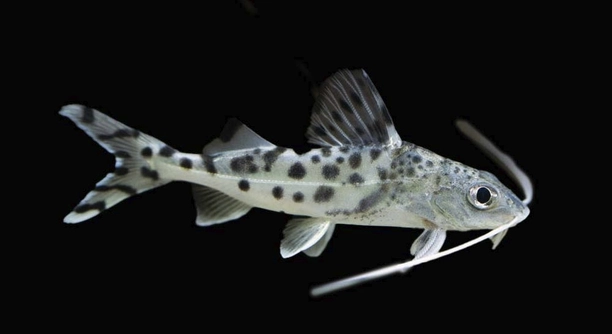
Keeping a pictus tank clean and clear takes consistent care and attention. Many aquarium owners find it challenging to maintain crystal-clear water while ensuring a healthy environment for their fish. This article outlines effective steps to help manage clarity and cleanliness in your tank.
Maintaining a clear pictus tank involves proper filtration, regular water changes, controlled feeding, and algae management. These practices collectively reduce debris, prevent excess nutrients, and maintain water quality, which is essential for the health and visibility of the aquatic environment.
These simple strategies will help you create a stable and visually pleasing home for your pictus fish. Following the advice here can make tank maintenance less stressful and more effective.
Proper Filtration is Essential
A good filtration system is key to keeping your pictus tank clear. Filters remove waste, uneaten food, and harmful chemicals that cloud the water. Choosing the right filter depends on your tank size and fish load. Canister filters and hang-on-back filters are popular because they offer strong mechanical, chemical, and biological filtration. Mechanical filtration traps solid particles, chemical filtration removes toxins, and biological filtration supports beneficial bacteria that break down ammonia. Keeping the filter clean is also important; a clogged filter reduces efficiency. Cleaning the filter media every few weeks helps maintain flow without disrupting the beneficial bacteria too much. Avoid over-cleaning or using tap water directly on media to protect these bacteria. A well-maintained filter provides a balanced environment, which keeps the water clear and safe for your pictus fish.
Filters need regular upkeep to keep working properly. Consistent maintenance ensures clear water and healthy fish.
A proper filtration system reduces cloudy water and maintains good oxygen levels. It supports a natural cycle that breaks down harmful substances and removes particles. This creates a clean tank without needing constant water changes or heavy cleaning. Your pictus fish will thrive in clear water with balanced chemistry. Choosing the right filter and maintaining it regularly makes tank care easier and more effective.
Regular Water Changes Matter
Performing regular water changes helps remove dissolved waste and excess nutrients that filters can’t fully eliminate. Changing 20-30% of the water weekly helps keep nitrate levels low and prevents algae overgrowth. Use a gravel vacuum to clean the substrate and remove debris during water changes. Make sure the replacement water matches the tank’s temperature and pH to avoid stressing the fish. Adding a water conditioner removes chlorine and chloramines that can harm your pictus. If your tank is heavily stocked, more frequent changes may be necessary. Water changes refresh the environment and help maintain the clarity that your pictus fish need to stay healthy and active.
Water changes support water quality and reduce buildup of toxins.
Maintaining water quality through regular changes is one of the simplest and most effective ways to keep your pictus tank crystal clear. Removing a portion of old water eliminates dissolved wastes and helps control algae growth. Consistency is key; skipping changes often leads to cloudy water and stressed fish. Combining water changes with good filtration creates a balanced environment that requires less effort to maintain long-term. This routine care promotes healthy fish behavior and a clean, sparkling tank for you to enjoy.
Control Feeding Amounts
Overfeeding leads to leftover food, which decomposes and clouds the water. Feed your pictus small amounts they can finish within a few minutes. Removing uneaten food promptly helps reduce waste buildup in the tank.
Feeding small, measured portions ensures your pictus get the nutrition they need without excess waste. Excess food breaks down and increases ammonia levels, making the water murky and harmful. Stick to a feeding schedule, avoiding spontaneous extra snacks, which can quickly degrade water quality. Using sinking pellets designed for bottom feeders helps target your pictus specifically, reducing food waste.
Controlling food amounts also lowers the chances of harmful bacteria and algae growth fueled by excess nutrients. Clear water depends on managing all sources of waste, including what your fish eat. By feeding carefully, you protect both water clarity and fish health.
Manage Algae Growth
Algae can quickly turn a clear tank green if left unchecked. Limiting light exposure to 8-10 hours daily helps prevent excessive algae growth. Avoid placing the tank near direct sunlight.
Algae feed on nutrients in the water, so keeping nitrate and phosphate levels low through regular water changes and controlled feeding reduces their growth. Adding live plants competes with algae for nutrients, further controlling their spread. Manually removing algae from the glass and decorations keeps the tank looking clean. Using algae scrapers or magnetic cleaners makes this task easier and less disruptive to the tank environment.
Some algae growth is normal and part of a healthy tank, but balance is important. Too much algae reduces water clarity and can stress your pictus. Keeping algae in check supports a clear, attractive tank without harsh chemicals.
Avoid Overcrowding
Too many fish in the tank increase waste and strain the filtration system. Keeping the tank appropriately stocked helps maintain water clarity.
Overcrowding raises ammonia and nitrate levels, which can quickly cloud the water and harm your pictus fish.
Use Activated Carbon
Activated carbon in your filter removes dissolved organic compounds that cause discoloration and odors. It helps keep the water clear and fresh by trapping impurities not caught by mechanical filtration.
Monitor Water Parameters
Regularly test ammonia, nitrite, nitrate, and pH levels to ensure a stable environment. Keeping these within safe ranges prevents water quality issues and maintains clarity.
FAQ
How often should I change the water in my pictus tank?
Water changes should be done weekly, replacing about 20-30% of the tank water each time. This keeps nitrate levels low and removes waste that filters may miss. If your tank is heavily stocked or shows signs of cloudy water, consider more frequent changes to maintain clarity.
Can I use tap water directly for water changes?
Tap water often contains chlorine and chloramines, which can harm fish. Always treat tap water with a water conditioner before adding it to the tank. Letting the water sit for 24 hours helps remove chlorine but not chloramines, so a conditioner is the safest choice.
What type of filter is best for a pictus tank?
A filter that provides mechanical, chemical, and biological filtration is ideal. Canister filters and hang-on-back filters are common choices because they balance efficiency and ease of maintenance. The filter should be rated for your tank size and fish load to handle the waste produced.
How can I prevent algae from taking over the tank?
Limit light exposure to 8-10 hours per day and avoid placing the tank in direct sunlight. Perform regular water changes to keep nutrients low. Adding live plants competes with algae for nutrients. Also, manually remove visible algae to keep the tank clean.
Is it necessary to feed pictus fish every day?
Feeding your pictus once or twice daily in small amounts is enough. Overfeeding leads to leftover food that decomposes and clouds the water. Make sure fish eat all the food within a few minutes to avoid waste buildup.
Why is my pictus tank cloudy even with a filter?
Cloudy water can result from overfeeding, overcrowding, or an insufficient filtration system. Check the filter’s condition and clean it if needed. Also, review your feeding habits and stocking levels. Regular water changes and substrate cleaning help reduce cloudiness.
Can activated carbon remove all water impurities?
Activated carbon is effective at removing dissolved organic compounds that cause discoloration and odors, but it does not remove ammonia, nitrites, or nitrates. Combining carbon filtration with proper biological filtration and water changes is necessary for full water quality control.
How often should I clean my filter media?
Filter media should be rinsed every 3-4 weeks to maintain flow but avoid over-cleaning. Use tank water to rinse media gently, preserving beneficial bacteria. Over-cleaning with tap water or scrubbing too hard can kill these bacteria, harming the biological filtration.
What is the best way to clean algae off the tank glass?
Use a magnetic algae scraper or a soft algae pad to gently remove algae from the glass. Avoid harsh chemicals or abrasive tools that can scratch the glass or harm fish. Regular cleaning prevents thick algae buildup and keeps the tank looking clear.
How important is substrate cleaning?
Cleaning the substrate during water changes removes uneaten food and waste that settle on the bottom. Using a gravel vacuum helps keep the substrate clean without disturbing beneficial bacteria. This practice supports overall water clarity and fish health.
Keeping your pictus tank crystal clear takes steady effort and good habits. It is not about quick fixes but consistent care. Proper filtration, regular water changes, controlled feeding, and algae management all play key roles. Each step helps reduce waste and maintain a healthy environment for your fish. When combined, these practices create a balanced system where water stays clean, and your pictus fish thrive.
Patience is important because it may take time to see the full benefits of these efforts. Avoid rushing with harsh chemicals or over-cleaning, which can upset the tank’s balance. Instead, focus on steady routines and small improvements. Over time, the water will become clearer, and the tank will be easier to maintain. This approach protects both the health of your pictus fish and the appearance of your aquarium.
Clear water also improves your enjoyment of the tank. Watching healthy fish swim in clean water is more relaxing and rewarding. By following these simple methods, you can create a stable and beautiful home for your pictus. It takes care and attention, but the result is worth it—a tank that looks good and supports the well-being of your fish.

Hello,
If you enjoy the content that we create, please consider saying a "Thank You!" by leaving a tip.
Every little bit helps us continue crafting quality advice that supports the health, happiness, and well-being of pets around the world, for pets of all shapes, sizes, and species.
We really appreciate the kindness and support that you show us!