
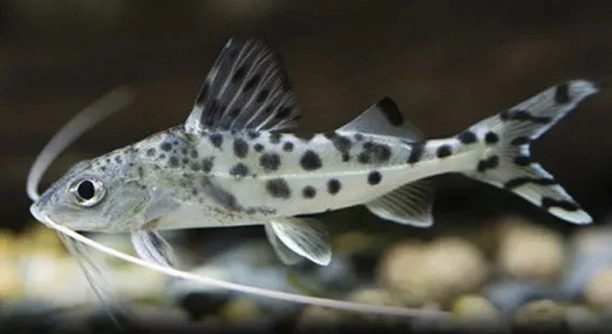
Keeping your Pictus catfish lively and healthy is important for any aquarium lover. These small fish enjoy exploring their environment and need proper care to stay active. Understanding their needs helps create a happier tank atmosphere.
Maintaining an active Pictus catfish requires clean water, adequate space, a varied diet, proper lighting, hiding spots, compatible tank mates, and regular stimulation. These factors support their natural behavior and physical health.
Learning how to care for your Pictus catfish can improve their energy and overall well-being. The tips ahead will help you create the best environment for your fish.
Keep the Water Clean and Well-Filtered
Keeping your Pictus catfish’s water clean is essential for their activity and health. Dirty water can cause stress and illness, making your fish less likely to move around. A good filtration system helps remove waste and toxins. Regular water changes also keep the environment fresh. I usually change about 20% of the water every week. Testing the water for ammonia, nitrites, and nitrates helps maintain safe levels. Avoid strong water currents since Pictus catfish prefer gentle flows. Proper water temperature between 75°F and 80°F is also important to keep them comfortable. Paying attention to these details can make a big difference in how lively your catfish stay.
Water cleanliness affects fish energy and health directly. Clean, stable water encourages natural activity and reduces disease risks.
I learned early that a simple water routine keeps my catfish more playful. Using a reliable filter and frequent partial water changes prevents buildup of harmful chemicals. I test the water often to ensure balance. Keeping the tank temperature steady also helps. These steps make my Pictus catfish swim around and explore more. The clearer and fresher the water, the happier they seem, and that’s what matters most.
Provide Plenty of Space and Hiding Spots
Pictus catfish need room to swim and explore. A small, crowded tank makes them stressed and less active.
Creating hiding spots with plants, caves, or decorations helps Pictus catfish feel safe.
Having enough space and places to hide lets your Pictus catfish behave naturally. They like to rest in hiding spots during the day and swim actively at night. A tank of at least 30 gallons is ideal for a small group. This space reduces territorial stress and encourages movement. Adding smooth rocks, driftwood, and live plants creates an interesting environment for them. I noticed when I added more hiding spots, my catfish spent less time hiding out of fear and more time exploring. Their activity increased, and they seemed less shy. Proper tank setup supports their need for security and exploration, keeping them healthy and lively.
Feed a Balanced and Varied Diet
A balanced diet keeps your Pictus catfish energetic. They need protein-rich foods and some plant matter.
I feed mine a mix of sinking pellets, frozen bloodworms, and occasional vegetables like zucchini. This variety supports their health and activity levels. Overfeeding can cause problems, so I give small portions twice a day. Pictus catfish are nocturnal feeders, so feeding them later in the day works best. Watching how much they eat helps me avoid leftover food, which can pollute the tank. A varied diet not only keeps them healthy but also encourages natural hunting behavior, keeping them active and engaged.
Fresh food items, like live or frozen worms, can stimulate their appetite and movement. They enjoy searching for food on the bottom, which helps keep them physically active. I noticed that when their diet is too limited, they become sluggish and hide more. Including different food types keeps them curious and energetic, which is important for their well-being. Feeding properly helps balance their nutrition and motivates them to swim and explore more often.
Ensure Proper Lighting and Night Cycle
Pictus catfish prefer dim lighting and a clear night-day cycle. Bright lights can stress them and reduce activity.
Keeping a regular light schedule mimics their natural environment. I use a timer to keep lights on about 10 to 12 hours daily, then dim or off at night. This routine supports their natural rhythm and encourages more movement during active times. Providing shaded areas or plants also helps reduce light intensity. They tend to be more active during low light or at night, so avoiding bright or constant lighting makes a difference in how lively they appear. A consistent light cycle helps keep their biological clock on track.
Adjusting the tank lighting made a noticeable difference in my catfish’s behavior. When the lights were too bright, they hid more and moved less. After adding floating plants and lowering the light intensity, their activity increased. They swim around more in the dimmer light and use the hiding spots comfortably during the day. The night cycle allows them to rest and then become active when the lights dim. Keeping the light consistent and gentle supports their natural habits and overall health.
Choose Compatible Tank Mates
Pictus catfish do best with peaceful, non-aggressive fish. Aggressive tank mates cause stress and reduce activity.
Keeping them with similar-sized, calm fish encourages natural behavior and movement.
Provide Regular Stimulation
Regular stimulation helps keep Pictus catfish active. Changing tank decorations or rearranging plants gives them new places to explore. I sometimes add floating toys or gentle water currents to keep their environment interesting. These changes encourage curiosity and movement, preventing boredom.
Monitor Health Closely
Watching your catfish for signs of illness or stress is important. Early detection helps keep them active and healthy.
How often should I feed my Pictus catfish?
Feeding your Pictus catfish twice a day with small portions is ideal. Overfeeding can cause water pollution and health problems, so it’s better to give just enough food they can eat within a few minutes. Observing their eating habits helps adjust the amount.
What is the best tank size for Pictus catfish?
A minimum tank size of 30 gallons is recommended for a small group of Pictus catfish. They are active swimmers and need space to move freely. Larger tanks reduce territorial stress and encourage more natural behavior.
Can Pictus catfish live with other fish?
Yes, but tank mates should be peaceful and of similar size. Avoid aggressive or overly territorial fish that may stress your catfish. Good companions include tetras, rasboras, and other non-aggressive species.
What kind of water conditions do Pictus catfish prefer?
Pictus catfish thrive in clean water with a temperature range between 75°F and 80°F. The water should have low ammonia, nitrite, and nitrate levels. A gentle water flow is preferred as strong currents can stress them.
How do I know if my Pictus catfish is healthy?
Healthy Pictus catfish are active, have clear eyes, smooth skin, and show normal swimming behavior. Signs of illness include lethargy, clamped fins, unusual spots, or gasping at the surface. Regular observation is key.
Why does my Pictus catfish hide so much?
Hiding is normal during the day because Pictus catfish are nocturnal. However, excessive hiding can indicate stress, poor water quality, or unsuitable tank mates. Ensure the environment feels safe and the water is clean.
What should I do if my Pictus catfish stops eating?
Loss of appetite can signal stress, illness, or poor water conditions. Check water parameters first and consider quarantining if other fish show symptoms. Try offering different foods to stimulate interest.
How often should I change the water?
Partial water changes of about 20% weekly help maintain water quality and keep your catfish active. This removes waste and toxins without causing stress from sudden changes.
Do Pictus catfish need hiding spots?
Yes, hiding spots like plants, caves, and driftwood provide security and reduce stress. They allow the fish to rest safely during the day and feel more comfortable exploring at night.
Can I keep Pictus catfish alone?
They can survive alone but prefer to be in groups of three or more. Group living reduces stress and encourages natural social behavior, making them more active and lively.
How bright should the tank lighting be?
Pictus catfish prefer dim lighting with a clear night-day cycle. Too much light causes stress and hiding. Using floating plants or shaded areas softens light intensity and helps mimic their natural habitat.
What are signs of stress in Pictus catfish?
Stress signs include hiding excessively, rapid gill movement, clamped fins, and reduced activity. Stress often results from poor water quality, aggressive tank mates, or unsuitable lighting.
How can I encourage my Pictus catfish to be more active?
Maintain clean water, provide space and hiding spots, feed a varied diet, and keep a regular light cycle. Adding new decorations occasionally also stimulates exploration and movement.
Are live plants necessary for Pictus catfish tanks?
Live plants are not required but highly recommended. They improve water quality, offer hiding spots, and help create a natural environment that encourages activity.
What temperature fluctuations can Pictus catfish tolerate?
They prefer stable temperatures between 75°F and 80°F. Sudden drops or rises can cause stress and illness. Using a reliable heater and thermometer helps maintain steady conditions.
Can Pictus catfish jump out of the tank?
Yes, they can jump if startled or stressed. A secure tank lid is important to prevent escapes and accidents.
How long do Pictus catfish usually live?
With proper care, they can live 8 to 10 years. Good water quality, diet, and environment contribute to their longevity.
What are the common diseases affecting Pictus catfish?
Common issues include ich, fin rot, and fungal infections. Most can be prevented with clean water and prompt treatment if symptoms appear.
Is it okay to keep Pictus catfish with shrimp?
Shrimp can be at risk since Pictus catfish might see them as food. If keeping both, provide plenty of hiding places for the shrimp and monitor interactions closely.
How often should I clean the tank filter?
Cleaning the filter every 3 to 4 weeks helps maintain good water quality. Avoid cleaning all parts at once to preserve beneficial bacteria. Rinse filter media in tank water, not tap water, to protect these bacteria.
If you keep these tips in mind, your Pictus catfish will stay active, healthy, and happy in their tank.
Taking good care of your Pictus catfish means paying attention to several important details. These fish are naturally active and curious, but they need the right environment to stay lively. Clean water, enough space, and proper diet are key parts of their care. When you keep their tank clean and well-maintained, it helps reduce stress and encourages your catfish to swim and explore more. Changing a portion of the water regularly and using a good filter keeps the tank healthy for them. It’s important to check water temperature and quality often because unstable or dirty water can make your fish sluggish or sick.
Another important part of caring for Pictus catfish is giving them room to move and places to feel safe. They like hiding spots where they can rest during the day, but they also need open space for swimming. A tank that is too small or crowded can make them less active and stressed. Adding plants, rocks, or decorations gives them safe areas to hide without feeling trapped. Providing a regular light schedule with dim lighting during the day and darkness at night helps keep their natural habits on track. They are more active during low light or night, so having the right lighting helps them stay comfortable and energetic.
Feeding your Pictus catfish a varied diet is just as important as the tank setup. These fish need protein-rich foods like sinking pellets and frozen or live worms. Adding some vegetables occasionally gives them extra nutrients. Overfeeding can harm both the fish and the tank, so giving small, controlled portions is best. Watching your fish to see how much they eat helps you avoid leftover food that pollutes the water. Keeping your Pictus catfish healthy and active takes some attention and care, but it is rewarding to see them swim energetically and explore their tank. When all these factors come together, your catfish will live a happier and longer life.

Hello,
If you enjoy the content that we create, please consider saying a "Thank You!" by leaving a tip.
Every little bit helps us continue crafting quality advice that supports the health, happiness, and well-being of pets around the world, for pets of all shapes, sizes, and species.
We really appreciate the kindness and support that you show us!