
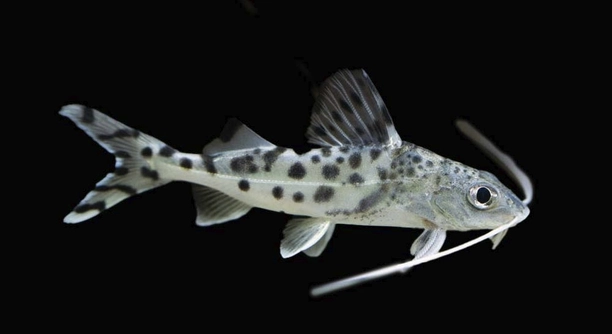
Pictus catfish are known for their shy and secretive nature in home aquariums. They often seek out places to hide, especially during the day when they feel vulnerable. Understanding where they like to conceal themselves helps keep them comfortable and stress-free.
Pictus catfish typically hide under objects such as rocks, driftwood, plants, aquarium decorations, caves, substrate crevices, and sometimes even beneath floating plants. These hiding spots provide shelter, safety, and resting areas crucial to their well-being in captivity.
Recognizing these common hiding places can improve your tank setup and promote healthier behavior for your catfish companions.
Rocks as Hiding Spots
Rocks create natural hiding places for pictus catfish. These fish feel safer when they have solid objects nearby to shelter under or behind. Flat rocks are especially popular because they offer a sturdy cover. Rounded or jagged rocks can create small caves or crevices where catfish can squeeze in. In a tank, placing rocks carefully to form small gaps helps mimic their natural environment. It also gives them places to explore and retreat when they feel stressed or tired. Rocks also add texture and variety to the aquarium, making it more interesting for the fish. Using rocks that are aquarium-safe ensures water quality stays stable. Catfish often prefer rocks that are not too smooth, as these provide better grip and comfort. Overall, rocks are one of the simplest and most effective ways to create a secure environment for pictus catfish.
Rocks provide firm and secure shelter, helping pictus catfish feel safe and reduce stress.
Adding rocks encourages natural behavior and improves your catfish’s comfort in the tank by offering stable, protected resting areas.
Driftwood and Plant Hiding Spots
Driftwood offers a warm and natural shelter that many pictus catfish prefer. It also slowly releases tannins that slightly tint the water, which can help reduce stress. Driftwood can be large enough to create tunnels or small caves. Catfish like to rest underneath it or hide near its base. Similarly, live or artificial plants offer soft cover and privacy. Tall or broad-leafed plants provide shade, making the fish feel hidden even in open spaces. The movement of plants in the water also mimics natural water currents, making the environment feel more familiar to the fish. Keeping plants healthy and well-placed helps maintain good water quality and improves tank aesthetics. Combining driftwood with plants can create complex hiding spots that satisfy pictus catfish’s need for safety and comfort. These natural elements are essential for a well-balanced aquarium setup that supports healthy behavior.
Aquarium Decorations
Aquarium decorations like ceramic caves, tunnels, and themed ornaments offer ideal hiding spots for pictus catfish. These objects create dark, enclosed spaces where they can rest and feel protected.
Many decorations are designed to provide small crevices and tunnels, which appeal to the catfish’s natural instinct to hide. They prefer areas that block light and offer privacy. These spots also help reduce stress by giving the fish a place to escape during busy or bright tank moments. Choosing decorations that are safe and free of sharp edges is important to avoid injury. Some decorations are porous, allowing beneficial bacteria to grow, which supports a healthier tank environment. Arranging decorations to create multiple hiding spaces encourages exploration and keeps the catfish engaged.
Using decorations lets you customize your tank’s look while giving pictus catfish essential shelter. This balance supports their natural behavior and helps them thrive in captivity.
Substrate Crevices
Substrate crevices form when the gravel or sand at the tank’s bottom shifts or is arranged unevenly. These small gaps become natural hiding places for pictus catfish, who enjoy burrowing or squeezing into tight spaces.
The substrate offers a soft and familiar surface, unlike hard decorations, which adds comfort for resting. Pictus catfish often dig lightly to create or expand these crevices. This behavior helps reduce their stress and allows them to feel more secure. It’s best to use fine gravel or sand for substrate, as sharp or large particles can injure their sensitive barbels. Regular tank cleaning and substrate maintenance prevent the crevices from collapsing and keep the hiding spots intact. Watching your catfish use these small spaces reveals their need for privacy and safety. Proper substrate care supports their natural instincts and overall well-being.
Caves and Shelters
Caves are one of the most preferred hiding spots for pictus catfish. They provide a dark, enclosed space where the fish feel safe and secure.
Pre-made aquarium caves come in various sizes and materials. These shelters mimic natural environments and offer perfect resting areas for the catfish, reducing stress.
Floating Plants
Floating plants create shaded areas on the water’s surface. They help pictus catfish hide from bright lights and reduce overall tank brightness.
These plants also improve water quality by absorbing excess nutrients. Their roots hang down, creating additional cover beneath the surface that catfish appreciate for privacy and comfort.
Beneath Driftwood
Pictus catfish often rest beneath driftwood because it offers solid shelter and a sense of security. Driftwood’s shape creates natural caves and shaded spots.
Driftwood also releases tannins, which slightly soften the water and reduce stress for these fish, enhancing their comfort in the aquarium environment.
FAQ
Why do pictus catfish hide so much?
Pictus catfish are naturally shy and nocturnal. They hide to feel safe, especially during daylight hours when they are more vulnerable. Hiding helps them avoid stress from bright lights, loud noises, or other active fish. It’s a normal behavior that keeps them calm and comfortable in the aquarium.
Is it normal for pictus catfish to hide all day?
Yes, it is normal. Pictus catfish tend to be most active at night and often spend daytime hours hiding. Providing plenty of hiding spots lets them rest peacefully. If they suddenly stop hiding or behave strangely, it might indicate stress or illness, so watch for other signs.
What type of hiding spots do pictus catfish prefer?
They prefer places that mimic their natural environment like caves, rocks, driftwood, and dense plants. Soft substrate crevices and shaded areas under floating plants are also favorites. These spots offer shelter and reduce light exposure, making the fish feel secure.
Can too few hiding spots cause problems?
Yes, a lack of hiding places can cause stress, leading to poor health or erratic behavior. Without enough shelter, pictus catfish may feel exposed and vulnerable. This can result in hiding in unsafe areas or becoming overly aggressive or shy.
Should I provide artificial or natural hiding spots?
Both are fine as long as they are safe and aquarium-friendly. Natural elements like driftwood and plants add benefits such as water conditioning and oxygenation. Artificial caves and decorations can also be effective if made from non-toxic materials and properly cleaned.
How often should I rearrange hiding spots in the tank?
It’s best to avoid frequent changes, as pictus catfish prefer stable environments. Rearrange only when necessary for cleaning or tank upgrades. Sudden changes can cause stress, so move hiding spots gradually and observe the fish’s reaction.
Will pictus catfish damage plants or decorations while hiding?
Generally, pictus catfish are peaceful and won’t harm healthy plants or sturdy decorations. They may dig lightly in the substrate but usually won’t uproot plants. Providing enough space and choosing resilient plants helps prevent damage.
How do I know if my catfish are comfortable with their hiding spots?
Signs include regular use of shelters, calm behavior during the day, and increased activity at night. Comfortable fish will also show normal eating habits and interact peacefully with tank mates. If they avoid hiding spots or appear restless, adjustments might be needed.
Can hiding spots affect water quality?
Yes, certain materials can impact water chemistry. Driftwood releases tannins that lower pH, which is usually beneficial for pictus catfish. However, decorations made from unsafe materials can leach harmful substances. Always choose aquarium-safe items and clean them well.
Are there risks to having too many hiding spots?
Too many hiding places can reduce swimming space and make tank maintenance harder. It may also limit visibility, making it difficult to monitor fish health. Balance is key—provide enough shelter without overcrowding the tank to keep fish comfortable and the environment clean.
Pictus catfish have a natural instinct to seek out hiding spots where they feel safe and secure. These hiding places help reduce their stress and provide comfort, especially during the daytime when they are less active. By offering a variety of shelters like rocks, caves, plants, and driftwood, you can create an environment that supports their well-being. It is important to remember that their need to hide is normal behavior and a sign that they feel more at ease when they have safe places to retreat.
Providing proper hiding spots not only benefits the pictus catfish but also improves the overall aquarium environment. Hiding places encourage natural behavior and can reduce conflicts with other fish in the tank. When fish have a secure place to rest and escape from bright lights or sudden movements, they tend to be healthier and more active during their active hours. Ensuring that hiding spots are safe, stable, and made from aquarium-friendly materials helps maintain water quality and keeps the tank balanced.
In summary, paying attention to where pictus catfish prefer to hide allows you to create a more comfortable and stress-free home for them. Offering a variety of natural and artificial shelters supports their instincts and improves their quality of life. Watching your catfish use these hiding spots can give you a better understanding of their needs and behavior. Keeping their environment balanced with proper hiding places is a key part of responsible fish care.

Hello,
If you enjoy the content that we create, please consider saying a "Thank You!" by leaving a tip.
Every little bit helps us continue crafting quality advice that supports the health, happiness, and well-being of pets around the world, for pets of all shapes, sizes, and species.
We really appreciate the kindness and support that you show us!