
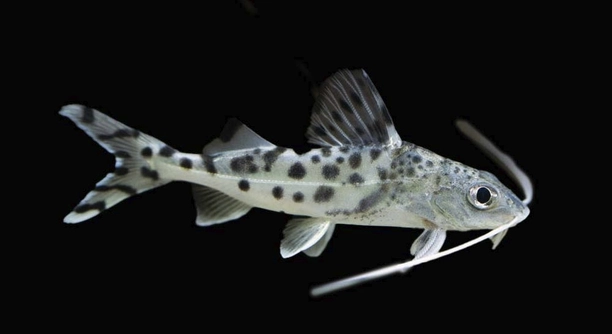
Keeping Pictus catfish in a planted tank can add a lively touch to your aquarium. These fish are known for their active nature and interesting behavior. Many aquarists enjoy having them swim among the greenery.
Pictus catfish can thrive in a planted tank if their environmental needs are met, including adequate space, hiding spots, and proper water conditions. Their peaceful temperament makes them suitable companions for many plant-friendly aquarium setups.
Knowing how to balance their activity with delicate plants is important for success. This article will guide you through the key points of keeping Pictus catfish happy in your planted aquarium.
Understanding Pictus Catfish Behavior and Needs
Pictus catfish are very active swimmers, especially during the night. They prefer to have plenty of space to move around, as they can grow up to five inches long. These fish are social and do best when kept in groups of at least three. Pictus catfish enjoy hiding spots like caves or dense plants, which help them feel secure. They are peaceful and generally do well with other non-aggressive fish species. Because they come from fast-moving rivers, they prefer water with good circulation and moderate to strong filtration. They also need clean water with stable temperature and pH levels. Their diet includes small insects, shrimp, and flakes, so a varied diet is important. Keeping these factors in mind will help maintain a healthy environment for your Pictus catfish in a planted tank.
Pictus catfish can be sensitive to poor water conditions. Regular tank maintenance is essential to keep them healthy.
Balancing their activity with a planted tank requires attention to plant types and tank setup. Hardy plants like Java fern and Anubias can tolerate the movement caused by these fish. Floating plants may also provide extra cover and reduce light intensity, mimicking their natural habitat. Avoid delicate plants with soft leaves, as Pictus catfish may accidentally damage them while swimming or searching for food. The tank substrate should be smooth to prevent injury, as Pictus catfish have sensitive barbels. With proper planning, your planted tank can remain lush and vibrant while providing a comfortable home for these lively fish.
Choosing the Right Plants for Pictus Catfish Tanks
Selecting plants that can withstand the activity of Pictus catfish is crucial.
Hardy, low-maintenance plants that anchor well in the substrate will hold up better. Plants like Cryptocoryne, Java fern, and Anubias are excellent choices because they have tougher leaves and grow slowly. These plants do not require intense lighting, which suits the conditions preferred by Pictus catfish. Rooted plants with strong rhizomes reduce the risk of uprooting caused by fish movement. Additionally, floating plants such as duckweed or water lettuce provide shade and reduce algae growth, creating a natural environment. Avoid soft-leaf plants like Amazon sword, as they may suffer damage. Proper plant selection helps maintain a balanced aquarium where both fish and plants thrive.
Tank Setup Tips for Pictus Catfish
A tank size of at least 30 gallons is recommended for a small group of Pictus catfish. They need plenty of swimming space and places to hide. Smooth gravel or sand substrate is best to protect their barbels from damage.
Good filtration and moderate water flow help mimic their natural river habitat. Using a sponge filter or canister filter keeps the water clean without creating too much current. Adding driftwood or rocks creates hiding spots and breaks the flow, giving the fish places to rest. Live plants can be anchored securely to avoid uprooting. It is important to test water parameters regularly to maintain stable conditions, with a pH between 6.5 and 7.5 and temperature between 74°F and 79°F.
Lighting should be moderate, as too bright light can stress the catfish. Using floating plants can help diffuse the light and provide cover. Make sure tank mates are peaceful to avoid aggression. Avoid keeping them with large or aggressive fish that could harm them. Regular maintenance, including water changes and substrate cleaning, supports a healthy environment for these active fish.
Feeding and Diet for Pictus Catfish
Pictus catfish are omnivores and require a balanced diet to stay healthy.
They thrive on a varied diet including sinking pellets, frozen or live bloodworms, brine shrimp, and occasional vegetable matter. Feeding small amounts twice daily works best to avoid overfeeding and water pollution. Their barbels help them find food at the bottom of the tank, so sinking food is preferable. Treats like daphnia or tubifex worms can be offered occasionally to add variety. It is important to remove any uneaten food to maintain water quality and prevent harmful bacteria growth. Fresh, clean water and a nutritious diet support their energy levels and vibrant appearance.
Compatibility with Other Fish
Pictus catfish are generally peaceful and do well with other non-aggressive species. They prefer tank mates that are similar in size or larger to avoid being bullied or eaten.
Avoid slow-moving or very small fish, as Pictus catfish may outcompete them for food or unintentionally stress them with their activity.
Water Parameters for Optimal Health
Maintaining stable water conditions is key to keeping Pictus catfish healthy. They prefer a temperature range between 74°F and 79°F. The ideal pH is slightly acidic to neutral, around 6.5 to 7.5. Hardness should be moderate, with 5 to 15 dGH. Frequent water testing and regular partial water changes help prevent buildup of harmful substances. These fish are sensitive to sudden changes, so gradual adjustments in water parameters are best. Clean, well-oxygenated water supports their active lifestyle and reduces stress, which can lower the risk of disease.
Signs of Stress in Pictus Catfish
Watch for reduced activity, loss of appetite, or hiding more than usual as signs of stress. These behaviors often indicate poor water quality or unsuitable tank conditions.
Addressing these signs quickly is important to prevent illness and maintain a healthy environment for your fish.
FAQ
Can Pictus catfish live with shrimp or snails?
Pictus catfish may eat small shrimp or snails if they fit in their mouths. They are opportunistic feeders and might see these tank mates as food. If you want to keep shrimp or snails, choose larger species that are less likely to be eaten or keep them in a separate tank.
How often should I clean the tank when keeping Pictus catfish?
Regular maintenance is important. Changing 20-25% of the water every week keeps the water clean and reduces toxins. Cleaning the substrate gently to remove leftover food and waste will also help maintain water quality. Avoid drastic cleaning that disturbs the beneficial bacteria.
What is the best tank size for a group of Pictus catfish?
A minimum tank size of 30 gallons is recommended for three or more Pictus catfish. They are active swimmers and need plenty of space to move around comfortably. Larger tanks are better, especially if you plan to keep other fish with them.
Are Pictus catfish good for beginners?
They can be kept by beginners, but they require stable water conditions and a properly sized tank. Their sensitive barbels also need a soft substrate to avoid injury. Regular tank maintenance and monitoring water parameters are important for their health.
Do Pictus catfish eat live plants?
Pictus catfish are not known to eat live plants. However, their active swimming may accidentally damage delicate plants. Choosing hardy plants with strong leaves will prevent damage and keep your plants healthy alongside your fish.
What do Pictus catfish eat in the wild?
In the wild, Pictus catfish eat small insects, larvae, crustaceans, and plant material found on river bottoms. They use their barbels to sense food in murky water and are mostly bottom feeders.
Can Pictus catfish jump out of the tank?
Yes, Pictus catfish are known to be good jumpers, especially if the water quality is poor or they feel stressed. A secure tank lid is essential to prevent them from jumping out and getting injured.
How long do Pictus catfish live?
With proper care, Pictus catfish can live 8 to 10 years in captivity. Maintaining good water quality, a balanced diet, and a suitable tank environment supports their longevity.
Is it necessary to keep Pictus catfish in groups?
Yes, Pictus catfish are social fish and feel more comfortable in groups of three or more. They show more natural behaviors when kept with others and are less likely to become stressed.
What temperature is best for Pictus catfish?
They prefer temperatures between 74°F and 79°F. Keeping the tank within this range supports their metabolism and activity levels. Avoid sudden temperature changes to prevent stress.
How can I tell if my Pictus catfish is healthy?
A healthy Pictus catfish is active, has clear eyes, smooth skin, and intact fins. It eats well and swims confidently. Any lethargy, discoloration, or unusual behavior may signal health issues needing attention.
Do Pictus catfish need special lighting?
No special lighting is required. Moderate lighting with some shaded areas from floating plants works well. Too much bright light can stress them, so dimmer conditions are better suited to their natural habits.
Can I keep Pictus catfish in a community tank?
Yes, they do well in community tanks if their tank mates are peaceful and roughly the same size or larger. Avoid aggressive or territorial fish to reduce the risk of conflict.
How do I prevent my Pictus catfish from damaging plants?
Use hardy plants with tough leaves and secure them well in the substrate. Avoid delicate or soft-leaf plants that can be torn easily. Floating plants can also protect plants by limiting light and creating hiding spots.
What should I do if my Pictus catfish stops eating?
Check water quality first, as poor conditions often cause loss of appetite. Also, observe for signs of illness or stress. Adjust feeding routines and try offering different types of food like live or frozen options to encourage eating.
Are Pictus catfish nocturnal?
They are mostly nocturnal, being more active at night. During the day, they tend to hide or rest. Providing hiding spots and dim lighting helps replicate their natural environment.
Can Pictus catfish tolerate different water hardness levels?
They prefer moderate hardness but can tolerate a range of water hardness from soft to slightly hard. Stability is more important than exact hardness levels.
Do Pictus catfish require air stones or additional aeration?
Good filtration usually provides enough oxygen for Pictus catfish. However, in tanks with low surface agitation, an air stone can help improve oxygen levels.
What are common diseases affecting Pictus catfish?
Common issues include bacterial infections, fin rot, and parasites, often caused by poor water quality or stress. Quarantine new fish and keep the tank clean to reduce disease risks.
How fast do Pictus catfish grow?
They grow fairly quickly, reaching their full size of around five inches in about one year if well cared for.
This FAQ covers many important points about Pictus catfish care. Following these tips will help ensure a healthy, balanced planted tank with happy fish.
Pictus catfish can be a great addition to a planted tank when their needs are properly met. They bring energy and movement that can make your aquarium feel more lively. These fish enjoy swimming in groups and need plenty of space to do so. A tank that is at least 30 gallons with good filtration and hiding places helps them stay healthy and comfortable. Their peaceful nature means they usually get along well with other fish that are not aggressive or too small. Keeping the water clean and stable is very important because Pictus catfish are sensitive to sudden changes in water conditions.
Choosing the right plants for a tank with Pictus catfish is key to maintaining a balanced environment. Hardy plants with strong leaves, such as Java fern, Anubias, and Cryptocoryne, work best because they can handle the fish’s active swimming. Floating plants can also be useful by providing shade and breaking up strong light, which helps the catfish feel more at home. It’s best to avoid delicate plants that can be easily damaged or uprooted. The tank setup should include smooth substrate to protect their barbels, which are very sensitive. Regular maintenance and careful observation will help you catch any problems early and keep both fish and plants thriving.
Feeding Pictus catfish a varied diet ensures they get the nutrients they need to stay healthy and active. They do well on sinking pellets, frozen or live foods like bloodworms and brine shrimp, and sometimes vegetable matter. Feeding small amounts twice a day is usually enough, and it’s important not to overfeed to prevent water quality problems. These fish also prefer low to moderate lighting and quiet tank mates to reduce stress. If you keep these points in mind, your Pictus catfish will live a long, happy life in a planted aquarium. Taking the time to understand their needs makes a big difference in creating a peaceful and healthy tank environment.

Hello,
If you enjoy the content that we create, please consider saying a "Thank You!" by leaving a tip.
Every little bit helps us continue crafting quality advice that supports the health, happiness, and well-being of pets around the world, for pets of all shapes, sizes, and species.
We really appreciate the kindness and support that you show us!