
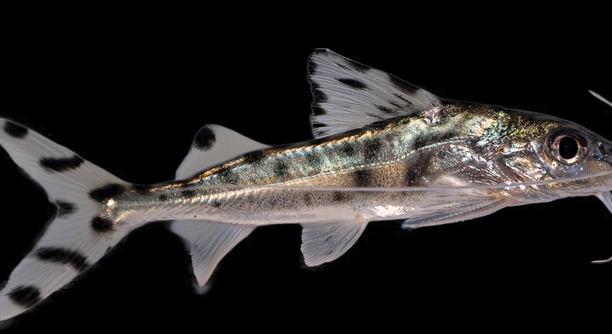
Catfish require specific tank conditions to thrive and stay healthy. Small adjustments in their environment can make a big difference in their well-being. Knowing how to optimize their habitat helps maintain their vitality.
Seven quick tank adjustments can improve catfish health significantly. These include regulating water temperature, maintaining proper pH levels, ensuring adequate filtration, providing sufficient hiding spaces, controlling light exposure, managing feeding schedules, and performing regular water changes.
These simple changes support a balanced environment and promote healthier, more active catfish in your aquarium.
Regulate Water Temperature
Maintaining the right water temperature is crucial for catfish health. Most catfish species prefer temperatures between 72°F and 78°F. Sudden changes or extreme fluctuations can stress them, weakening their immune system and making them more prone to diseases. Using a reliable aquarium heater and thermometer helps keep the temperature stable. Avoid placing the tank near windows or heating vents, as this can cause inconsistent temperatures. Consistent warmth supports catfish metabolism and activity levels, encouraging natural behaviors like feeding and movement.
Keeping the water within the ideal temperature range ensures your catfish stay comfortable and healthy.
Temperature control is one of the simplest yet most important adjustments. Stable temperatures reduce stress and prevent illnesses. Even a small heater that maintains consistent warmth can improve catfish survival rates. Observing how your catfish respond to the temperature can help you fine-tune settings for their comfort. This stability promotes growth and longevity, creating a better environment for your aquatic pets.
Maintain Proper pH Levels
Proper pH levels are essential for a healthy tank. Catfish generally prefer a pH between 6.5 and 7.5.
Keeping pH balanced supports biological processes and helps catfish avoid stress-related issues. Testing the water regularly with a pH kit is necessary to monitor changes. Using pH buffers can help adjust water chemistry safely. Sudden pH swings are harmful and should be avoided. Natural elements like driftwood or certain plants can also influence pH. Stable pH levels contribute to a healthy immune system and improve water quality. By maintaining this balance, you protect your catfish from unnecessary health risks and create a stable environment where they can thrive.
Ensure Adequate Filtration
A good filtration system keeps the tank clean and healthy. It removes waste and toxins that can harm catfish.
Filtration helps maintain water clarity and quality, which are vital for catfish well-being. Mechanical filters trap debris, while biological filters support beneficial bacteria that break down harmful substances. Without proper filtration, waste builds up quickly, leading to poor water conditions and stress. Choosing the right filter size for your tank ensures efficient cleaning. Regular filter maintenance, such as cleaning or replacing media, keeps the system working well. This care creates a safer environment and helps catfish stay active and healthy.
Filters also improve oxygen levels by circulating the water. This circulation prevents stagnant areas where harmful bacteria can grow. Balanced water conditions reduce the risk of infections and promote stable tank life. Keeping filters in good condition supports the natural balance, allowing catfish to thrive with less frequent water changes.
Provide Sufficient Hiding Spaces
Catfish feel safer with places to hide in the tank. Hiding spots reduce stress and encourage natural behavior.
Adding caves, plants, and decorations offers shelter and makes the environment more comfortable. These spaces mimic the catfish’s natural habitat, where they avoid predators and rest. Without hiding places, catfish may become shy or stressed, impacting their health. Providing enough shelter encourages them to explore and feed properly. Different types of catfish prefer different hiding spots, so offering variety is helpful. Proper shelter supports emotional well-being and reduces aggression or territorial disputes. Creating these spaces can be simple and affordable, but the benefits for your catfish are significant.
Control Light Exposure
Catfish prefer dim lighting that mimics their natural environments. Too much light can cause stress and reduce activity.
Using low-intensity lighting or shaded areas helps catfish feel secure. Avoid bright or constant light, which can disturb their sleep cycles and behavior.
Manage Feeding Schedules
Feeding catfish consistently supports their health. Most species thrive with small meals two to three times daily.
Overfeeding leads to poor water quality and health problems. Feeding measured portions prevents uneaten food from polluting the tank. Observing how much your catfish eat helps adjust feeding amounts. Balanced feeding promotes growth and energy without causing waste buildup. Proper nutrition combined with regular schedules maintains digestive health and vitality.
Perform Regular Water Changes
Regular water changes keep toxins low and improve water quality. Changing 20-30% weekly is recommended for most tanks.
Fresh water supports catfish health by removing accumulated waste and balancing chemical levels. Consistent maintenance prevents stress and illness caused by poor water conditions.
FAQ
What is the ideal water temperature for catfish?
Most catfish thrive between 72°F and 78°F. Keeping the temperature steady in this range helps avoid stress and promotes healthy behavior. Sudden temperature changes can weaken their immune system, so using a heater and thermometer is important for stable conditions.
How often should I test the pH of my tank water?
Testing the pH weekly is a good practice. Catfish generally prefer a pH between 6.5 and 7.5. Regular checks help detect any shifts that could harm your fish. Using pH buffers or natural elements like driftwood can help maintain a stable balance.
Why is filtration so important for catfish tanks?
Filtration removes waste, toxins, and excess food from the water, keeping the tank clean and safe. Mechanical filters trap debris, while biological filters support beneficial bacteria that break down harmful substances. Without proper filtration, water quality deteriorates quickly, increasing stress and disease risk.
Can I use any type of hiding spaces for catfish?
It’s best to offer a variety of hiding spots like caves, plants, and decorations. Different catfish species prefer different shelters. Providing multiple options mimics their natural environment, reduces stress, and encourages natural behaviors such as resting and hiding from perceived threats.
How much should I feed my catfish daily?
Feed small portions two to three times per day, based on the species and tank size. Overfeeding causes uneaten food to decay, polluting the water and harming your fish. Observing how much your catfish eat can help you adjust feeding amounts to avoid waste.
How often should I perform water changes?
A weekly water change of 20-30% is ideal for most tanks. This routine removes accumulated toxins and helps maintain stable water chemistry. Regular water changes reduce stress, prevent illnesses, and support a healthier tank environment for your catfish.
Is bright lighting harmful to catfish?
Yes, too much light can stress catfish. They prefer dim or shaded environments similar to their natural habitats. Using low-intensity lighting or creating shaded areas helps keep them comfortable and encourages normal activity patterns.
What happens if water temperature fluctuates too much?
Frequent temperature swings weaken catfish’s immune systems, making them vulnerable to infections. They may also become lethargic or stop eating. Consistent temperature control helps keep them active and healthy.
Can I use plants in a catfish tank?
Yes, live plants offer hiding spots, improve water quality, and help stabilize pH levels. Some catfish also enjoy nibbling on plants. Just ensure the plants are suitable for your tank conditions and species.
How do I know if my catfish is stressed?
Signs of stress include hiding more than usual, loss of appetite, unusual swimming patterns, and color fading. Poor water quality or environmental changes often cause stress. Addressing these factors quickly improves your catfish’s health.
Is it necessary to clean the filter regularly?
Yes, cleaning or replacing filter media as recommended maintains efficient filtration. Dirty filters reduce water flow and allow waste buildup, harming water quality. Regular filter maintenance supports a stable environment and healthier fish.
Can I keep multiple catfish together?
Many catfish species are social and do well in groups, but some can be territorial. Research your specific species’ behavior and provide enough space and hiding spots to reduce aggression and stress.
What is the best way to acclimate new catfish to my tank?
Introduce new fish slowly by floating the sealed bag in the tank to equalize temperature, then gradually add small amounts of tank water. This helps them adjust to new water conditions and reduces shock, increasing survival chances.
Are all catfish species sensitive to the same water conditions?
No, different species have varying preferences for temperature, pH, and tank setup. It’s important to research your specific catfish to meet its unique needs for optimal health and longevity.
Can overfeeding cause health issues in catfish?
Yes, overfeeding can lead to obesity, poor water quality, and diseases. Uneaten food decomposes and pollutes the tank. Feeding appropriate portions supports digestion and prevents tank pollution.
How do I improve oxygen levels in the tank?
Proper filtration and water circulation increase oxygen. Adding air stones or using a filter with good water movement helps maintain oxygen levels, which is vital for catfish health and activity.
Final Thoughts
Taking care of catfish involves several small but important adjustments to their tank environment. Simple changes like keeping water temperature steady, maintaining proper pH levels, and using good filtration make a big difference. These adjustments create a stable and safe space for catfish to live and grow. Stability in the tank helps catfish stay healthy by reducing stress and preventing illness. Paying attention to these basics sets a strong foundation for their well-being.
Providing enough hiding spaces is another key factor. Catfish feel more comfortable and less stressed when they have places to retreat. This mimics their natural environment and encourages natural behaviors. Adding caves, plants, and decorations is an easy way to improve their habitat. Hiding spots also reduce aggression and promote calmness. When catfish feel safe, they are more likely to be active and feed well, which supports their overall health.
Regular feeding and maintenance are just as important. Feeding small amounts several times a day prevents overfeeding and keeps water quality high. Consistent water changes remove harmful waste and keep the environment fresh. Cleaning and maintaining filters helps the tank function properly. Paying attention to these daily tasks helps avoid problems before they arise. In the end, the effort put into these quick tank adjustments results in healthier, happier catfish. This simple care routine is the best way to ensure they thrive in their home.

Hello,
If you enjoy the content that we create, please consider saying a "Thank You!" by leaving a tip.
Every little bit helps us continue crafting quality advice that supports the health, happiness, and well-being of pets around the world, for pets of all shapes, sizes, and species.
We really appreciate the kindness and support that you show us!