
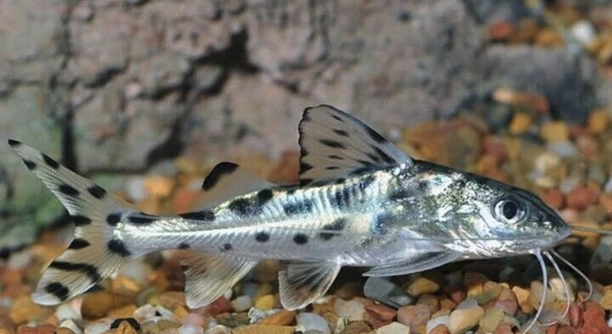
Do you ever wonder if your Pictus catfish needs company to feel happy in its tank? These lively fish often swim in groups, making some people question their social needs. Understanding their behavior can help keep them healthy.
Pictus catfish are social animals that can experience stress or loneliness if kept alone. They thrive best when housed in small groups of at least three to five individuals, which supports their natural schooling behavior and overall well-being.
Learning about their social habits will help you create a better environment for your catfish. Proper care ensures they remain active and comfortable in your aquarium.
Do Pictus Catfish Need Companionship?
Pictus catfish are naturally social fish that live in groups in the wild. Keeping just one in a tank can lead to boredom or stress. When they have companions, they show more natural behaviors like swimming together and exploring. A group helps them feel safe and reduces aggressive or nervous actions. Without others of their kind, they might hide more or become less active, which is a sign they are unhappy. It’s important to provide enough space for a small group, ideally at least three to five fish. This allows them to swim freely and interact. If the tank is too small, adding more fish can cause overcrowding, which creates different problems. Proper care means balancing their social needs with their environment.
Small groups of Pictus catfish keep each other company and stay healthier overall.
If you want your Pictus catfish to thrive, adding companions is key. Watching them swim and interact feels rewarding. They become more confident and lively when in groups, which also benefits the aquarium’s atmosphere. Make sure to provide hiding spots and enough swimming space to keep all fish comfortable. A peaceful community tank supports their well-being and reduces stress-related illnesses. This approach helps keep your catfish active and content.
Signs of Loneliness in Pictus Catfish
Lonely Pictus catfish may become less active or hide more often.
When a Pictus catfish is lonely, it shows several clear signs. It might stay in one corner or behind decorations, avoiding the middle of the tank. You may notice it swimming slowly or not exploring much. Sometimes, a lonely catfish becomes skittish, reacting strongly to movements outside the tank. Over time, this stress can weaken their immune system, making them more prone to illness. Pictus catfish rely on their group to feel secure, so if kept alone, they can become withdrawn or stressed. These signs indicate the need for more social interaction. Adding compatible tank mates improves their mood and activity. Observing their behavior helps you catch loneliness early and make changes that support their health.
How Many Pictus Catfish Should You Keep Together?
A group of three to five Pictus catfish is ideal for most home aquariums. This number helps them feel secure and display natural behavior without overcrowding the tank.
Keeping at least three Pictus catfish allows them to form a small school, which reduces stress and promotes healthy activity. Too few fish can cause loneliness, while too many can lead to territorial disputes and poor water quality. The tank size should be at least 30 gallons to accommodate this group comfortably. Providing enough space and hiding spots helps maintain peace among the fish. This balance keeps the catfish happy and active.
If your tank is smaller, two Pictus catfish may be acceptable, but watch their behavior closely. Larger groups need more room and proper filtration to keep water clean. Planning for a suitable group size helps avoid common problems related to stress and aggression.
Tank Setup for Social Pictus Catfish
A tank with plenty of hiding places helps Pictus catfish feel safe in groups. Plants, caves, and driftwood create a comfortable environment.
Good water quality is essential for a group of Pictus catfish. These fish prefer clean, well-filtered water with stable temperature and pH levels. Regular water changes keep their environment healthy. Avoid strong currents, as Pictus catfish like calm areas to rest. Soft lighting also helps reduce stress. Group housing works best in a tank with a gentle flow and natural decorations. This setup mimics their natural habitat, making them more comfortable and active. When the tank meets these conditions, your catfish will show more lively swimming and social behavior.
Can Pictus Catfish Live Alone?
Pictus catfish can survive alone but are likely to become stressed and less active. Loneliness affects their behavior and health over time.
They may hide more often and lose interest in exploring when kept alone. Social interaction is important for their well-being.
Benefits of Keeping Pictus Catfish in Groups
Groups of Pictus catfish encourage natural swimming patterns and social interaction. They stay more active, reducing stress and increasing their lifespan. Schooling helps them feel secure and confident, improving overall health. When housed together, they are less likely to display nervous or aggressive behaviors. Group living also creates a more dynamic and interesting aquarium environment. This social structure supports their natural instincts and contributes to a balanced tank community.
Tank Mates for Pictus Catfish
Choose peaceful fish that share similar water needs and temperaments with Pictus catfish.
Can Pictus Catfish Get Lonely?
Yes, Pictus catfish can get lonely if kept alone. They are naturally social fish that live in groups in the wild. Being alone may cause them to become stressed, hide more, or act less lively. Having companions helps them feel safe and encourages natural behaviors like swimming together.
How Many Pictus Catfish Should Be Kept Together?
It’s best to keep at least three to five Pictus catfish together. This number allows them to form a small school and reduces stress. Too few fish might lead to loneliness, while too many can overcrowd the tank. A 30-gallon tank or larger is recommended for a group this size.
Can Pictus Catfish Live Alone?
While they can survive alone, living without companions usually harms their well-being. Alone, they may become shy, inactive, or stressed. Social interaction is important to keep them healthy and active.
What Are Signs That My Pictus Catfish Is Lonely?
Signs include hiding frequently, swimming less, and appearing nervous or skittish. A lonely Pictus catfish might avoid the center of the tank and stay near decorations or corners. They may also show decreased appetite or unusual behavior.
What Tank Setup Works Best for Pictus Catfish Groups?
A tank with plenty of hiding places like plants, caves, and driftwood is ideal. Clean, well-filtered water with stable temperature and pH is important. Soft lighting and calm water flow help reduce stress. Make sure the tank is large enough to allow free swimming.
Can Pictus Catfish Get Along with Other Fish?
Yes, they do well with peaceful species that share similar water conditions. Avoid aggressive or very large fish that might bully them. Good tank mates include small tetras, rasboras, and peaceful gouramis.
Do Pictus Catfish Need Special Food?
Pictus catfish eat a variety of foods like sinking pellets, frozen or live bloodworms, and brine shrimp. Feeding them a balanced diet helps keep them healthy. They may also scavenge leftovers on the tank bottom.
How Often Should I Change the Water for Pictus Catfish?
Regular water changes every one to two weeks are recommended. Changing 20-30% of the water helps keep the tank clean and maintains good water quality. Clean water reduces stress and illness risks for your catfish.
Is It Normal for Pictus Catfish to Hide?
Yes, they sometimes hide during the day since they are more active at night. However, if they hide constantly, it could be a sign of stress, poor water quality, or loneliness.
How Long Do Pictus Catfish Live?
With proper care and a good environment, Pictus catfish can live around 8 to 10 years. Providing a social group and clean water helps them live a full, healthy life.
Can Pictus Catfish Be Aggressive?
Pictus catfish are generally peaceful but can show mild territorial behavior when overcrowded. Proper tank size and enough hiding spots reduce aggression. They usually get along well with other peaceful fish.
What Is the Ideal Temperature for Pictus Catfish?
They prefer water temperatures between 72°F and 78°F (22°C to 26°C). Keeping the temperature stable within this range supports their health and activity levels.
Do Pictus Catfish Need Special Lighting?
No special lighting is needed. Soft, dim lighting works best since they are nocturnal and prefer low light conditions. Bright lights can stress them.
Can I Keep Only One Pictus Catfish Temporarily?
Yes, but only for a short time. If you must keep one alone, monitor its behavior closely. Try to add companions as soon as possible to prevent stress and loneliness.
What Should I Do If My Pictus Catfish Seems Lonely?
Add more Pictus catfish to the tank to provide companionship. Ensure the tank is large enough and has hiding places. Improving the environment and water quality also helps reduce stress.
Are Pictus Catfish Nocturnal?
Yes, they are more active at night and during low light. They tend to hide or rest during the day. This natural behavior should be considered when setting up their tank environment.
How Can I Tell If My Tank Is Too Small for Pictus Catfish?
If your catfish show signs of stress, aggression, or constant hiding, the tank may be too small. Also, overcrowding can lead to poor water quality. A 30-gallon tank is the minimum for a small group.
Do Pictus Catfish Need Special Filtration?
They don’t need special filtration but do best with a filter that maintains clean water without creating a strong current. A gentle flow helps keep them comfortable.
Can Pictus Catfish Jump Out of the Tank?
Yes, they can jump when startled or stressed. Keep a secure lid on the tank to prevent escapes.
What Is the Best Way to Introduce New Pictus Catfish to the Tank?
Add new fish slowly and monitor behavior to avoid stress or aggression. Quarantine new arrivals before adding them to the main tank to prevent disease.
How Often Should I Feed My Pictus Catfish?
Feed small amounts once or twice daily. Avoid overfeeding, as leftover food can harm water quality.
Are Pictus Catfish Good for Community Tanks?
Yes, when paired with peaceful fish and given enough space, they fit well in community tanks. Their calm nature helps maintain harmony.
When caring for Pictus catfish, understanding their social needs is very important. These fish are naturally social animals that prefer living in groups. Keeping them alone can cause stress and affect their health. By housing them in groups of at least three to five, you help them feel safe and encourage their natural behaviors. Group living reduces loneliness and keeps them more active and confident. It is important to provide enough space in the tank so the fish can swim comfortably without feeling crowded. A tank size of at least 30 gallons is usually recommended for a small group of Pictus catfish. Besides space, adding plants, caves, and other hiding spots helps create a peaceful environment where they can feel secure.
Tank conditions play a big role in the happiness of Pictus catfish. Clean, well-filtered water with stable temperature and pH is necessary for their health. Regular water changes keep the environment fresh and reduce stress for the fish. They also prefer a calm water flow and softer lighting, which mimics their natural habitat. When these conditions are met, Pictus catfish tend to be more active and show healthier behavior. Feeding them a varied diet that includes sinking pellets, frozen or live foods keeps them nourished and strong. Watching your fish swim and interact in a group is rewarding and shows they are comfortable in their home.
Taking good care of Pictus catfish means paying attention to their social needs, tank setup, and water quality. When these factors are balanced, the fish can live a long and healthy life, often up to 8 to 10 years. Remember that lonely or stressed fish may hide more and lose interest in food, so watching for changes in behavior can help you spot problems early. By providing companions, enough space, and a clean, calm environment, you help your Pictus catfish thrive. This makes for a more enjoyable and peaceful aquarium that benefits both the fish and their owner.

Hello,
If you enjoy the content that we create, please consider saying a "Thank You!" by leaving a tip.
Every little bit helps us continue crafting quality advice that supports the health, happiness, and well-being of pets around the world, for pets of all shapes, sizes, and species.
We really appreciate the kindness and support that you show us!