
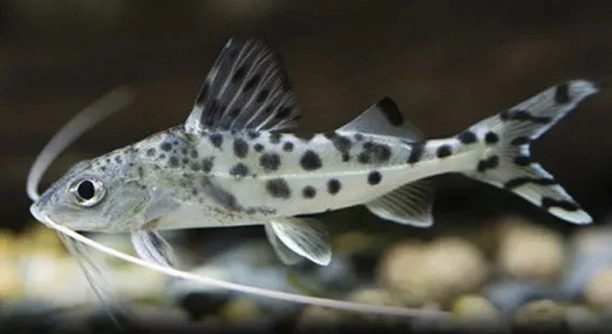
Is your Pictus Catfish not growing as fast as you expected, leaving you unsure if you’re doing something wrong in their care?
The main causes of slow growth in Pictus Catfish are poor diet, overcrowded tanks, water quality issues, stress, illness, low temperatures, and inadequate tank size. Each of these factors can significantly affect growth rates.
Learning what might be holding back your fish’s development can help you create a healthier and more supportive environment for them to thrive in.
Poor Diet
Feeding your Pictus Catfish a proper diet is key to supporting their growth. If they’re not getting the nutrients they need, their development can slow down. These fish are omnivores and need a balanced mix of proteins and vegetables. Relying only on flakes or pellets won’t give them everything they require. High-protein foods like bloodworms, brine shrimp, and sinking pellets made for bottom feeders help support healthy growth. It’s also important to vary their diet to keep them interested in feeding. Uneaten food can pollute the water, so keep portions manageable. Feeding small, consistent meals is better than large, infrequent ones. If your Pictus Catfish is picky or losing interest in food, try switching brands or types until you find one that works. Proper nutrition doesn’t have to be complicated, but it does take some consistency and care. A well-fed fish is more likely to grow at a steady pace.
Skipping live or frozen food can slow things down. These extra protein sources help your fish grow stronger and stay more active.
Feeding habits affect energy levels and long-term health. Growth often stalls when fish don’t receive the right kind of food. If you notice little or no change in size, the diet may be too limited. Many Pictus Catfish do better with a more varied routine. Using a combination of high-protein pellets, frozen options, and occasional vegetables works well for many keepers. Always check ingredient lists to avoid fillers. A balanced diet not only helps with growth but can also improve color and behavior. If your fish seems sluggish or uninterested in food, that can be a sign something’s missing from their diet. Watch how they eat and adjust as needed. Feed smaller amounts twice a day and remove anything they ignore within a few minutes. Keeping their diet consistent but varied supports both short-term activity and long-term growth.
Overcrowding
Too many fish in one tank can create stress and limit resources. This often leads to slow growth in Pictus Catfish.
Pictus Catfish are active swimmers that need space. A crowded tank makes it hard for them to move freely, find food, and establish their own space. This constant competition can lead to stress and even injury. A stressed fish will often stop growing, eat less, and stay hidden more often. When space is limited, oxygen levels may also drop faster, especially in tanks that are not properly filtered. This makes it harder for fish to breathe and stay active. For a single Pictus Catfish, a tank size of at least 55 gallons is recommended. If you plan to keep more than one, a larger tank is necessary. Make sure each fish has room to swim and rest without being disturbed by others. Keeping the population low helps your fish grow at a more natural pace and stay healthier overall.
Poor Water Quality
Unclean water slows down growth and causes stress. Pictus Catfish are sensitive to ammonia, nitrites, and low oxygen levels, which can all affect their development. Keeping the water clean and stable is one of the most important parts of their care.
Neglecting regular water changes leads to waste buildup, which poisons the water. Even if it looks clear, toxins may still be present. A good filter helps, but it can’t do everything. Test the water weekly for ammonia, nitrites, nitrates, and pH. Ammonia and nitrites should always be at zero, while nitrates should stay under 40 ppm. A pH between 6.5 and 7.5 works well for Pictus Catfish. Change 25–30% of the water every week to keep things stable. Use a dechlorinator and try to match the temperature. These small habits go a long way in making sure your fish grows properly and stays healthy.
Dirty water can also weaken the immune system. Fish in poor water often develop infections or parasites, both of which can stunt growth. When fish are forced to spend energy fighting illness, they have less energy for development. A sudden drop in water quality may also cause fish to stop eating, which adds to the problem. If you notice clamped fins, gasping at the surface, or reduced activity, it’s worth testing your water right away. Use a liquid test kit, not strips, for more accurate results. Investing in a sponge filter for extra oxygen flow can help too. Good water quality is not just about clear water—it’s about keeping invisible toxins in check and giving your fish the right conditions to grow.
Chronic Stress
Stress slows down everything. When Pictus Catfish feel unsafe or disturbed, their appetite drops and their growth slows. Constant stress keeps them from developing the way they should, no matter how well you feed them or maintain their tank.
Stress can come from many things, including loud noises, sudden lighting changes, poor tank mates, and constant movement around the tank. These fish are shy and often hide when overwhelmed. If they stay hidden too long, they may skip meals and stop growing. Tank mates should be peaceful and similar in size. Avoid placing aggressive or overly active fish in the same tank. Also, keep lighting soft and give them hiding spots like driftwood or caves to feel secure. Limit how often you move things around in the tank. Stability helps. When fish feel safe, they swim more freely, eat regularly, and show steady growth. Calm surroundings are just as important as food and water.
Illness or Parasites
Health issues can keep your Pictus Catfish from growing properly. Internal parasites, bacterial infections, or fungal problems may not always show obvious signs but still affect how well your fish absorbs nutrients. Watch for changes in behavior, appetite, or waste appearance.
Even mild illnesses can drain energy and slow down development. If growth seems stalled despite good care, a hidden health issue might be the cause. Quarantine new fish before adding them to the tank, and treat the water if you suspect anything unusual.
Low Water Temperature
Pictus Catfish need warm water to stay active and grow. If the temperature stays below 75°F (24°C), their metabolism slows down, and so does their growth. A stable range of 75–81°F (24–27°C) works best. Use a reliable aquarium heater and check the temperature daily with a thermometer.
Small Tank Size
Limited space holds back growth. Pictus Catfish are fast swimmers and need plenty of room to move around. Keeping them in tanks under 55 gallons can cause stress and poor development. A larger tank helps them stay active, reduces stress, and supports steady growth.
FAQ
Why is my Pictus Catfish growing so slowly despite good care?
Sometimes, even when you think everything is perfect, hidden factors can affect growth. Poor water quality or mild illnesses might not show obvious signs but can limit development. Overcrowding or stress also play big roles. Double-check water parameters and tank conditions, and observe your fish closely for any subtle changes.
How often should I feed my Pictus Catfish for healthy growth?
Feeding twice a day in small portions is best. Overfeeding can pollute the water and cause health problems. Aim to feed amounts your fish can finish in 2-3 minutes. Offering a mix of sinking pellets and frozen or live foods provides balanced nutrition, which supports steady growth.
Can I speed up growth by changing their diet?
Improving the diet can help but must be done carefully. High-protein foods like bloodworms and brine shrimp promote growth, but sudden diet changes may upset their system. Introduce new foods gradually and observe how your fish reacts. A balanced, varied diet is more effective than focusing on a single food type.
What tank size is ideal for Pictus Catfish growth?
A minimum of 55 gallons is recommended for one Pictus Catfish. More space allows them to swim freely and reduces stress. Larger tanks also help maintain better water quality, which is critical for growth. Avoid overcrowding to give your fish the best chance to develop properly.
How important is water temperature for growth?
Water temperature affects metabolism. Pictus Catfish thrive between 75°F and 81°F (24–27°C). Temperatures below this range slow down their metabolism, causing slower growth. Use a reliable heater and monitor temperature daily to keep conditions stable.
Can stress cause permanent growth problems?
Long-term stress can stunt growth and weaken the immune system. If fish experience constant stress from aggressive tank mates, poor environment, or loud disturbances, their development suffers. Creating a calm, stable environment with proper hiding places helps reduce stress and supports healthy growth.
What signs indicate illness affecting growth?
Look for reduced appetite, lethargy, clamped fins, unusual swimming patterns, or spots on the body. Parasites or infections often show these symptoms. If untreated, illness drains energy and halts growth. Quarantine new fish and treat illnesses quickly to protect your Pictus Catfish.
How can I improve water quality for better growth?
Regular water changes (25–30% weekly) are essential. Test water parameters frequently to keep ammonia and nitrites at zero and nitrates under 40 ppm. Use a good filter and avoid overfeeding. Removing uneaten food quickly helps prevent toxin buildup and keeps your fish healthy.
Is tank decoration important for growth?
Yes, providing hiding spots like caves or driftwood helps fish feel secure. When Pictus Catfish feel safe, they eat better and grow more steadily. Avoid overcrowding decorations that limit swimming space. Balance hiding places with open swimming areas for best results.
Can lighting affect my Pictus Catfish’s growth?
Bright or constant lighting can stress shy fish like Pictus Catfish. Use soft lighting and provide shaded areas to reduce stress. A natural day-night cycle supports regular feeding and resting patterns, which in turn supports healthy growth.
How do I know if my fish is eating enough?
Healthy Pictus Catfish are active during feeding times and eagerly eat food. If your fish ignores food or hides, it may be stressed or ill. Track feeding habits closely, and adjust diet or environment to encourage better appetite. Growth slows when fish eat less.
Are there any supplements that help growth?
Supplements can help, but they’re not always necessary if the diet is balanced. Vitamins added to food or water can support immune health and growth in some cases. Always research carefully before using supplements, and follow recommended dosages.
How long does it usually take for Pictus Catfish to reach full size?
Under good conditions, Pictus Catfish grow steadily and can reach around 5 inches within a year. Growth rates vary based on diet, water quality, and tank conditions. Patience and consistent care are key to seeing healthy development over time.
What can I do if growth remains slow despite changes?
If your fish still isn’t growing well, consider consulting an experienced aquarist or vet. Sometimes underlying health problems or environmental factors need expert diagnosis. Keeping detailed notes on feeding, water tests, and behavior helps identify persistent issues.
Can poor genetics cause slow growth?
Genetics do play a role but are rarely the main factor in slow growth for aquarium fish. Most issues come from care conditions. Focus on improving environment and diet first before considering genetics as a cause.
How do I prevent slow growth in new Pictus Catfish?
Start with a clean, spacious tank and stable water conditions. Feed a balanced diet with high-quality foods. Avoid overcrowding and minimize stress. Quarantine new fish to prevent disease. Early care sets the foundation for healthy growth and reduces problems later on.
When caring for Pictus Catfish, understanding the causes of slow growth is important. Many factors can affect how well these fish develop over time. From diet to tank conditions, each element plays a role in their overall health. Paying attention to these details helps ensure your catfish can grow at a healthy pace. Consistency in care is key, as sudden changes or neglect can lead to setbacks. By maintaining good water quality, providing the right food, and keeping stress low, you create a better environment for your fish to thrive.
Slow growth is often a sign that something in the fish’s environment needs adjustment. It is easy to overlook small issues like overcrowding or improper temperature, but these can have a big impact. Regular testing of water parameters and observing fish behavior are simple ways to catch problems early. Feeding a balanced diet with protein and variety supports steady growth, while keeping the tank clean and stable reduces stress. These basic steps may seem small but make a significant difference in your Pictus Catfish’s development and well-being.
Every fish is unique, and growth rates can vary depending on several factors. Genetics, tank setup, and individual health all contribute to how fast a Pictus Catfish grows. It is important to be patient and give your fish time to adjust to its environment. If problems persist, seeking advice from experienced hobbyists or professionals can be helpful. With thoughtful care and attention, your Pictus Catfish can grow strong and healthy, becoming a rewarding addition to your aquarium.

Hello,
If you enjoy the content that we create, please consider saying a "Thank You!" by leaving a tip.
Every little bit helps us continue crafting quality advice that supports the health, happiness, and well-being of pets around the world, for pets of all shapes, sizes, and species.
We really appreciate the kindness and support that you show us!