
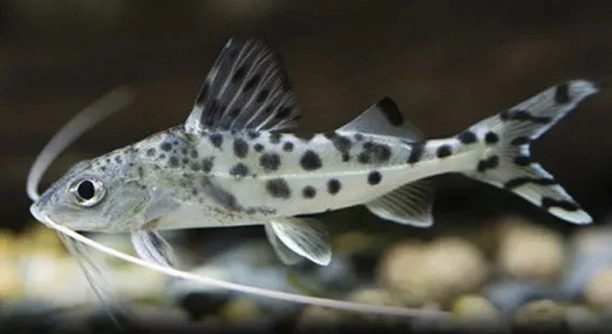
Many aquarium owners enjoy watching their pictus catfish actively explore their tanks. These fish are known for their playful behavior and sociability. However, sometimes they suddenly become reclusive, causing concern for their well-being.
Pictus catfish often retreat due to changes in water quality, stress, illness, or environmental disturbances. These factors impact their behavior, making them hide to conserve energy and avoid perceived threats. Understanding these reasons is crucial for proper care.
Recognizing why pictus catfish withdraw helps maintain a healthy aquarium and ensures their comfort in the environment. The following points explain the common causes behind this sudden change.
Changes in Water Quality
Pictus catfish are very sensitive to their environment, especially water quality. Even small shifts in temperature, pH, or ammonia levels can cause stress. When water conditions worsen, these fish tend to hide more often, avoiding activity to reduce stress. Poor water quality may come from overfeeding, inadequate filtration, or lack of regular water changes. It is important to test water parameters regularly and keep the tank clean. Maintaining stable water conditions helps pictus catfish stay active and healthy. If changes go unnoticed, their behavior may change abruptly, becoming withdrawn or reclusive.
Testing the water weekly and doing partial water changes can prevent sudden hiding behavior. Consistent care helps keep the tank safe for these sensitive fish.
Pictus catfish rely heavily on clean water to breathe and thrive. Poor water quality causes discomfort and weakens their immune system. This makes them prone to diseases and infections, further increasing their tendency to hide. By monitoring and adjusting water conditions promptly, you create a better habitat for your catfish. A well-maintained tank allows pictus catfish to swim confidently, interact with tank mates, and show their natural behavior. Consistency in water quality management is key to preventing sudden withdrawal and ensuring your fish remain visible and healthy.
Stress and Environmental Disturbances
Stress in pictus catfish can arise from loud noises, sudden movements, or overcrowded tanks. These disturbances cause the fish to seek shelter and avoid interaction. Stress weakens their health over time, leading to more hiding.
Stress often results from changes in the tank setup or aggressive tank mates. When pictus catfish feel threatened or uncomfortable, they become reclusive. Loud noises near the aquarium or frequent tapping on the glass also contribute to their anxiety. Overcrowding reduces swimming space and increases competition for food and hiding spots, making pictus catfish retreat more. Providing plenty of hiding places and a calm environment helps reduce stress. Keeping tank conditions stable and avoiding sudden changes encourages the fish to stay active and visible. Recognizing these stressors early can prevent long-term harm and improve the quality of life for your pictus catfish.
Illness or Parasites
When pictus catfish become sick, they often hide more than usual. Illnesses or parasites cause discomfort, making them seek shelter. Signs include clamped fins, lethargy, or loss of appetite.
Health issues weaken their immune system and reduce activity. Parasites can irritate their skin or gills, causing stress. Diseases like bacterial infections or fungal growth are common in poorly maintained tanks. Early detection through observation is important. Treatment depends on the specific illness but often involves improving water quality and using medications. Isolating sick fish can prevent spread to others. Maintaining good tank hygiene helps reduce illness risk.
Regular health checks help catch problems before they worsen. Keeping the aquarium clean and stable supports your pictus catfish’s recovery and overall well-being.
Lack of Proper Hiding Places
Pictus catfish need enough hiding spots to feel secure. Without these, they may retreat excessively or show signs of stress.
These catfish are naturally shy and nocturnal. They seek shelter during the day to avoid predators and reduce stress. Tanks with few caves, plants, or decorations leave them exposed and vulnerable. Providing ample hiding places encourages natural behavior and reduces anxiety. Fish with adequate shelter spend less time hiding and more time exploring. Hiding spots also help them rest and recover when stressed or tired. Arranging the tank with a variety of cover types creates a comfortable environment. This simple adjustment can improve their activity levels and overall happiness in the tank.
Sudden Changes in Tank Mates
Introducing new fish can unsettle pictus catfish. They may hide more to avoid potential aggression or competition for food.
Pictus catfish prefer peaceful tank mates. Aggressive or overly active fish cause stress and force them into hiding. Gradual introductions help reduce this behavior.
Poor Lighting Conditions
Too much light can cause pictus catfish to become reclusive. These fish prefer dimmer environments that mimic their natural habitat. Bright lights can increase stress, making them hide during the day. Adjusting the lighting or adding shaded areas helps them feel safer and more comfortable.
Overfeeding
Overfeeding can degrade water quality, causing pictus catfish to hide. Excess food leads to waste buildup and harmful bacteria growth. Feeding small amounts once or twice daily keeps the tank clean and fish healthy. Maintaining a balanced feeding routine supports their activity and well-being.
FAQ
Why has my pictus catfish suddenly stopped swimming around?
When pictus catfish stop swimming and become reclusive, it is often due to stress, poor water quality, illness, or sudden environmental changes. These factors cause the fish to conserve energy and hide to protect themselves from perceived threats or discomfort. Checking water parameters and observing for signs of illness can help identify the cause.
How can I improve the environment to make my pictus catfish more active?
Creating a stable environment is key. Keep water clean by performing regular water changes and testing parameters like ammonia, nitrites, and pH. Provide plenty of hiding places, such as plants and caves, and avoid sudden changes in tank setup or lighting. Choosing compatible tank mates also reduces stress.
Is it normal for pictus catfish to hide during the day?
Yes, pictus catfish are naturally nocturnal and shy. They prefer to hide during daylight hours and become more active at night. Providing dim lighting and adequate shelters helps them feel secure and allows their natural behavior to show.
Can poor diet cause my pictus catfish to become reclusive?
A poor diet alone may not cause hiding, but overfeeding can lead to water quality issues that stress the fish. Feeding balanced, appropriate amounts helps maintain good water conditions and supports their overall health and activity levels.
How do I know if my pictus catfish is sick?
Signs of illness include clamped fins, lethargy, loss of appetite, unusual swimming patterns, or visible spots and wounds. Sick fish tend to hide more. Early detection and treatment improve recovery chances, so regular observation is important.
What are safe tank mates for pictus catfish to reduce stress?
Peaceful fish that do not nip fins or compete aggressively for food are best. Avoid large, aggressive, or territorial species. Compatible tank mates create a calm environment, allowing pictus catfish to explore and behave naturally without constant fear.
Can changing the lighting schedule affect my pictus catfish’s behavior?
Yes, sudden or intense lighting changes can stress pictus catfish, causing them to hide more. A consistent, dimmer light schedule mimics their natural habitat and encourages normal activity patterns.
How often should I perform water changes to keep pictus catfish healthy?
Weekly partial water changes of about 20-30% are recommended. This removes toxins and maintains stable water conditions. More frequent changes might be necessary in heavily stocked or poorly filtered tanks.
What should I do if my pictus catfish hides for days at a time?
Check water quality and tank conditions first. Look for signs of illness or stress. Improving water parameters, reducing disturbances, and providing more hiding spots usually help. If the fish continues to hide, consulting a specialist may be necessary.
Is it normal for pictus catfish to hide after being introduced to a new tank?
Yes, it is normal for them to hide initially as they adjust to new surroundings. This period of reclusiveness usually lasts a few days. Providing plenty of hiding places and stable conditions helps them settle in faster.
Final Thoughts
Pictus catfish are lively and interesting fish, but they can become reclusive for many reasons. Changes in water quality, stress from tank conditions, illness, or a lack of proper hiding places all contribute to this behavior. Understanding these causes is important to ensure your fish stay healthy and active. Keeping the tank clean and stable is a simple way to prevent many issues that lead to hiding. Regular water tests, timely water changes, and careful observation help maintain the right environment.
Stress is a common reason pictus catfish retreat. Loud noises, sudden movements, or aggressive tank mates can make these fish feel unsafe. Providing enough shelter and a calm environment reduces stress and encourages natural behavior. Changes in lighting and overfeeding can also affect their comfort. Adjusting these factors helps your catfish feel more secure and less likely to hide. It is important to pay attention to how your fish respond to their surroundings and make changes when needed.
When illness strikes, pictus catfish often hide to protect themselves. Watching for signs of sickness and acting early improves their chance of recovery. A balanced diet, proper tank conditions, and good hygiene support their immune system and overall health. With proper care and attention, pictus catfish can return to their active and social behavior. Creating a stable, comfortable habitat allows these fish to thrive and remain visible in your aquarium. Taking small, consistent steps in care will help keep your pictus catfish healthy and less reclusive over time.

Hello,
If you enjoy the content that we create, please consider saying a "Thank You!" by leaving a tip.
Every little bit helps us continue crafting quality advice that supports the health, happiness, and well-being of pets around the world, for pets of all shapes, sizes, and species.
We really appreciate the kindness and support that you show us!