
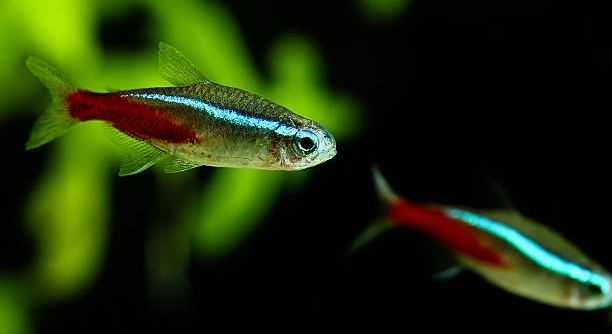
Are your tetras staying close to the plants and hiding instead of swimming in open water? Many aquarium owners notice this behavior and wonder why their fish avoid the center of the tank. It can feel confusing when these lively fish prefer the edges instead of exploring freely.
Tetras naturally avoid open water due to instinctive fear of predators and stress. They feel safer near plants or decorations that provide shelter and cover. This behavior helps them reduce anxiety and mimic conditions found in their natural habitat.
Understanding why tetras behave this way can help you create a more comfortable environment for them. Small changes in the tank setup or lighting might encourage them to swim more openly and enjoy their space.
Common Reasons Tetras Avoid Open Water
Tetras often stay near plants or decorations because these areas offer protection and reduce stress. In the wild, they swim in groups close to cover to hide from predators. If the tank lacks enough hiding spots, they feel exposed and unsafe. Bright lighting can also make them nervous, causing them to stick to shaded areas. Sometimes, the tank is too large or has strong water currents, making open water uncomfortable to navigate. Water quality also plays a role; poor conditions can make fish lethargic and unwilling to explore. Observing your tank setup and environment carefully can reveal why your tetras behave this way.
Creating more natural hiding spaces can encourage exploration.
Adjusting tank conditions and adding plants or decorations can help tetras feel more secure and willing to swim away from the edges.
How Tank Setup Affects Tetra Behavior
The size and layout of the aquarium influence how tetras move. A crowded tank can make them feel trapped, while an empty tank can feel unsafe. They need balance—a mix of open swimming areas and places to hide. Tetras also prefer moderate lighting that mimics their natural habitat. Gentle water flow is important since strong currents tire them quickly. Maintaining clean water with stable temperature and pH levels keeps tetras healthy and active. Observing these details allows you to create an environment where your fish feel comfortable swimming freely, improving their overall well-being and behavior.
Stress and Its Impact on Tetra Behavior
Stress causes tetras to hide and avoid open spaces. Loud noises, sudden movements, or frequent tank disturbances increase their anxiety. Stress weakens their immune system, making them prone to illness. Keeping the environment calm helps reduce stress.
Tetras are sensitive to changes around them. If the tank is placed near a busy area or if lights are turned on and off too often, they may feel threatened. Overcrowding with other fish can also cause stress. Providing stable conditions and minimal disturbances allows tetras to feel safer and encourages them to explore more.
Regular tank maintenance and avoiding sudden changes help reduce stress. Keeping consistent lighting schedules and limiting noise can improve your tetras’ comfort, making them more likely to swim openly.
Feeding and Swimming Patterns
Tetras often stay close to feeding areas, which are usually near plants or tank edges. They feel secure eating near cover. Feeding times also influence when they swim more actively.
Tetras’ swimming patterns depend on their feeding schedule and tank environment. After feeding, they may move more freely but quickly return to shelter. Uneaten food or poor feeding routines can disrupt their behavior and health. Observing feeding habits and adjusting portions can encourage natural swimming and reduce hiding. Balanced nutrition keeps them healthy and active, improving their willingness to explore open water.
Lighting and Its Effect on Tetra Movement
Bright lights can make tetras uncomfortable and cause them to hide. They prefer dim or natural lighting that mimics their habitat.
Too much light increases stress and makes open water less inviting. Adjusting lighting helps them feel safer.
Tank Size and Swimming Space
A tank that is too large or too small can affect tetra behavior. Small tanks limit movement, while very large tanks may make tetras feel exposed. Finding the right size and layout helps tetras swim confidently without feeling vulnerable.
Importance of Water Quality
Poor water quality causes discomfort and illness, making tetras less active. Regular testing and cleaning maintain a healthy environment for better behavior.
Group Behavior in Tetras
Tetras are schooling fish and feel safer in groups. Alone, they tend to hide more and avoid open water.
FAQ
Why do my tetras hide all the time?
Tetras hide mostly because they feel unsafe or stressed. Lack of hiding spots or too much light can make them nervous. Also, sudden changes in their environment or water conditions can cause them to stay hidden. Providing plants, decorations, and gentle lighting helps them feel more secure and less likely to hide.
Can tetras get used to open water swimming?
Yes, tetras can become more comfortable swimming in open areas if the tank feels safe. Adding enough cover while keeping some clear space encourages gradual exploration. Consistent water quality, calm surroundings, and proper lighting help build their confidence over time.
Is it normal for tetras to avoid the middle of the tank?
It is common for tetras to avoid open spaces because they naturally stay near cover to protect themselves from predators. In a home aquarium, this instinct remains strong. Creating a balanced environment with both shelter and open areas can reduce this behavior.
How many tetras should be kept together?
Tetras are schooling fish and feel safest in groups of at least six. Smaller groups or solitary fish tend to hide more and show signs of stress. Keeping a proper school promotes natural behavior, including swimming in open water.
What tank size is best for tetras?
A tank of 20 gallons or more is usually good for a small school of tetras. This size offers enough swimming space and room for plants and hiding spots. Too small tanks limit movement, while very large tanks can make them feel exposed unless properly decorated.
Could water temperature affect my tetras’ behavior?
Yes, tetras prefer water temperatures between 72°F and 78°F (22°C to 26°C). If the water is too cold or too warm, they may become lethargic or stressed, avoiding open water. Using a reliable heater and thermometer keeps temperature stable for better activity.
Does water flow influence where tetras swim?
Strong water currents can tire tetras and make them avoid open water. They prefer gentle, steady flow that mimics their natural habitats. Adjusting filters or adding decorations to break the current can help tetras swim comfortably.
How often should I feed my tetras?
Feeding tetras once or twice daily with small amounts is best. Overfeeding causes water quality issues, which can stress fish and change their behavior. Consistent feeding times also encourage predictable swimming patterns.
What should I do if my tetras still avoid open water after changes?
If tetras continue to avoid open water despite improving tank conditions, it may be due to individual personality or past stress. Patience is important, as some tetras are naturally more cautious. Continue providing a safe environment and monitor for health problems.
Are tetras shy fish by nature?
Yes, tetras tend to be shy and prefer to stay near cover. This is an instinctive behavior to protect themselves from predators. With time and a comfortable environment, they can become more confident and explore more freely.
Can tank mates affect tetra behavior?
Yes, aggressive or overly active tank mates can stress tetras, causing them to hide and avoid open water. Choose peaceful species that share similar water needs to maintain a calm and safe tank environment.
How do I know if my tetras are stressed?
Signs of stress include hiding, reduced activity, loss of color, and refusing food. Stress weakens their immune system and can lead to illness. Maintaining good water quality and a stable environment reduces stress.
Is adding more plants always helpful?
Adding plants usually helps by providing shelter and reducing stress. However, overcrowding the tank with plants can reduce open swimming space, which might make tetras feel trapped. Balance is key for their comfort.
Can lighting color affect tetra behavior?
Tetras respond better to soft, natural light rather than harsh or very bright lights. Blue or dim lighting often calms them and encourages natural behavior. Avoid sudden changes in lighting to prevent stress.
Should I use a cover on my aquarium?
A cover helps prevent fish from jumping out and reduces stress from external disturbances. It also helps control lighting and temperature. Make sure the cover allows proper ventilation and light balance.
How long does it take for tetras to adjust to a new tank?
Adjustment can take days to weeks depending on tank conditions and fish health. Gradual changes and a calm environment speed up this process. Patience helps tetras settle and become more active in open water.
When tetras avoid open water areas, it often comes down to their natural instincts and how comfortable they feel in their environment. These small fish have a strong need for safety and shelter, which is why they tend to stay near plants, decorations, or tank edges. Understanding this behavior can help you create a tank setup that encourages your tetras to swim more freely. Paying attention to things like lighting, tank size, water quality, and the presence of other fish can make a big difference in how your tetras act. Simple adjustments often lead to noticeable improvements in their comfort and activity.
It is important to remember that every tetra is different. Some may be naturally more shy or cautious, while others may be more outgoing. Stress factors such as loud noises, sudden changes in the tank, or poor water conditions can cause even the most confident fish to hide. Consistency in tank care and maintaining stable conditions plays a key role in reducing stress. Offering plenty of hiding spots while leaving some open swimming space helps tetras balance their need for security with their natural desire to explore. Observing your fish regularly will help you understand their behavior better and spot any changes that might need attention.
Creating a healthy and calm environment for your tetras takes patience, but it is rewarding to see them become more active and comfortable over time. By focusing on their basic needs and mimicking their natural habitat, you can reduce their fear of open water areas. Remember that good water quality, gentle lighting, proper tank size, and compatible tank mates all contribute to happier fish. With these factors in place, your tetras are more likely to swim confidently and display their lively, social nature. Taking the time to adjust and observe will help you enjoy a beautiful and peaceful aquarium.

Hello,
If you enjoy the content that we create, please consider saying a "Thank You!" by leaving a tip.
Every little bit helps us continue crafting quality advice that supports the health, happiness, and well-being of pets around the world, for pets of all shapes, sizes, and species.
We really appreciate the kindness and support that you show us!