
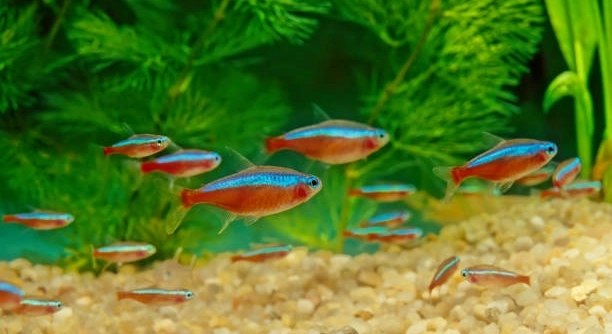
Many aquarium hobbyists enjoy breeding tetras but often face frustration when the eggs don’t hatch as expected. Understanding why this happens can save time and help maintain a healthy tank environment. This article looks at common issues and practical solutions.
Tetra eggs often fail to hatch due to factors such as poor water quality, incorrect temperature, fungal infections, inadequate oxygen levels, insufficient parental care, improper lighting, and stress in the breeding environment. Addressing these issues improves egg survival rates significantly.
Learning these key reasons can help you improve your breeding success and care for your tetra eggs more effectively. The following tips will guide you through practical fixes for these common problems.
Poor Water Quality
Poor water quality is a major reason tetra eggs don’t hatch. Tetras are sensitive to changes in their environment, and toxins like ammonia or nitrites can harm eggs and fry. If water is not properly filtered or regularly changed, waste builds up quickly. This creates a stressful environment where eggs may fail to develop. Also, sudden changes in pH or hardness can affect egg viability. To keep eggs healthy, it’s important to monitor water parameters closely. Using a gentle filtration system and doing small, frequent water changes helps maintain stability. Avoid strong currents, which can dislodge or damage eggs. Keeping the tank clean and stable provides the best chance for eggs to hatch and fry to survive.
Maintaining consistent water quality is crucial. Test your water weekly, keep ammonia and nitrites at zero, and ensure a pH level between 6.5 and 7.5 for optimal egg development.
Understanding how water quality impacts eggs helps prevent losses. Small changes in care can make a big difference in hatching success and fish health.
Temperature Issues
Tetra eggs require a stable temperature range between 75°F and 80°F to develop properly. Temperatures outside this range slow growth or cause eggs to stop developing entirely. Sudden fluctuations can also stress eggs, reducing hatch rates. Using a reliable aquarium heater with a thermostat helps keep water steady. Avoid placing the tank near windows or vents where temperature changes occur frequently. If eggs get too cold, development slows and may fail. If water is too warm, eggs can become deformed or die before hatching. Monitoring temperature daily during breeding is important. Keeping a consistent environment mimics natural conditions and supports healthy growth of the embryos inside the eggs.
Fungal Infections
Fungal infections are common problems that affect tetra eggs. When eggs are damaged or left in poor water conditions, fungus can quickly spread and kill them. Fungus appears as white, cotton-like patches growing on eggs. This stops the embryo from developing and can spread to other eggs. To prevent fungus, remove any unfertilized or dead eggs as soon as possible. These are breeding grounds for infection. Adding antifungal treatments specifically made for fish tanks can help control outbreaks. Using clean equipment and avoiding overcrowding also reduces fungal risks. Keeping eggs clean and separated from adults reduces stress and infection chances. Once fungus starts, it spreads fast, so quick action is necessary to save the healthy eggs.
Regularly checking eggs and removing unhealthy ones gives your tetra eggs a better chance to hatch without fungal problems. Using treatments carefully helps protect the entire clutch while preserving the tank’s balance.
Insufficient Oxygen
Tetra eggs need enough oxygen to develop properly. Poor water circulation or overcrowded tanks can lower oxygen levels around the eggs, causing them to suffocate.
A gentle water flow helps provide oxygen without disturbing the eggs. Using an air stone or sponge filter near the breeding area increases oxygen levels safely. Avoid strong currents that can wash eggs away or damage them. Overcrowding the tank with too many fish reduces oxygen available for eggs and fry. Keep the tank well-ventilated and monitor dissolved oxygen if possible. Ensuring proper oxygen levels improves embryo survival and hatching rates.
Removing leftover food and waste promptly also helps maintain good oxygen levels. Clean, well-oxygenated water reduces stress on eggs and fry, supporting healthy development.
Stress in the Breeding Environment
Stress affects tetra eggs more than many realize. Loud noises, sudden movements, or frequent disturbances cause adult fish to become anxious. Stressed parents may eat or damage their eggs, reducing hatch rates.
Limiting external disruptions helps create a calm breeding area. Using tank covers and placing the tank away from high-traffic zones minimizes stress. Avoid handling fish or eggs too often, which can add stress. Providing plenty of hiding spaces gives fish a sense of security. A peaceful environment encourages better parental care and healthier eggs. Stress reduction leads to higher chances of eggs hatching and fry surviving.
Keeping conditions stable and quiet also helps prevent diseases linked to stress. A calm tank supports overall fish health during breeding periods.
Improper Lighting
Tetra eggs need low, indirect light to develop well. Too much bright light can dry out or stress the eggs, causing them to fail.
Using dim lighting or shading the breeding area helps protect the eggs. Avoid placing the tank in direct sunlight, which can cause temperature spikes and damage.
Parental Neglect
Some tetra species do not care for their eggs properly. Parents may eat the eggs or move them to unsafe places, reducing hatch rates.
Separating the eggs from adult fish after spawning can prevent this. Using breeding tanks or nets protects eggs until they hatch safely.
Overcrowding
Too many fish in one tank creates competition and stress. Overcrowding reduces oxygen and increases waste, harming eggs and fry development.
FAQ
Why are my tetra eggs turning white?
White eggs usually mean they are unfertilized or infected with fungus. Unfertilized eggs fail to develop and often become cloudy or white. Fungus can quickly spread on damaged eggs, appearing as white cotton-like patches. It’s important to remove these eggs to stop infection from spreading to healthy ones. Maintaining good water quality and using antifungal treatments can help prevent this problem.
How long does it take for tetra eggs to hatch?
Tetra eggs generally hatch within 24 to 36 hours after being laid. This depends on water temperature and conditions. Warmer water speeds up development, but temperatures above 80°F can harm the eggs. Keeping the tank stable within 75°F to 80°F ensures a normal hatching time and healthy fry.
Can I leave the eggs with the parents?
It depends on the tetra species and the behavior of the parents. Some parents may eat or damage the eggs, while others provide care. If you notice adults eating eggs or being aggressive, it’s better to move eggs to a separate breeding tank. This protects the eggs and increases hatch rates.
What should I feed newly hatched tetra fry?
Newly hatched fry are very small and need tiny foods like infusoria, liquid fry food, or finely crushed flakes. After a few days, you can gradually introduce baby brine shrimp or microworms. Feeding small amounts several times a day helps fry grow strong without fouling the water.
How often should I change water during breeding?
Small, frequent water changes of about 10-15% every day or every other day are best. This keeps water clean without shocking eggs or fry. Avoid large water changes because sudden shifts in temperature or chemistry can harm development.
Can poor lighting kill the eggs?
Bright, direct light can harm delicate eggs by drying them out or raising water temperature too much. Keeping lighting low and indirect during breeding reduces stress and damage to eggs. Use dim lights or shade the breeding area to protect them.
What is the best way to prevent fungal infections?
Removing dead or unfertilized eggs immediately reduces fungus risk. Adding antifungal treatments safe for fish eggs can help too. Keeping water clean and stable also lowers chances of fungus. Avoid overcrowding and poor filtration that can increase stress and infection.
Why do my eggs fail to hatch even when conditions seem right?
Sometimes eggs fail due to hidden problems like slight pH imbalances, microscopic fungal growth, or parental stress. Even small fluctuations in temperature or water chemistry can cause failure. Double-check all tank parameters and minimize disturbances during breeding. Patience and close monitoring often improve results.
Can stress from tankmates affect egg hatching?
Yes, aggressive or curious tankmates can stress breeding fish and damage eggs. Stress weakens parents’ ability to care for eggs or leads them to eat eggs. Providing a quiet, low-traffic area and separating eggs or breeding pairs helps reduce stress and improves hatching success.
How can I improve oxygen levels for the eggs?
Use gentle air stones or sponge filters near the breeding site to increase oxygen without disturbing eggs. Avoid strong currents that can damage eggs or fry. Regular water changes and removing debris also help maintain good oxygen levels. Proper oxygen supports embryo growth and hatching.
Many people who keep tetras want to see their eggs hatch successfully, but it can be frustrating when things don’t go as planned. Understanding the common reasons why tetra eggs fail to hatch helps make the process easier. Problems like poor water quality, wrong temperature, fungal infections, low oxygen, stress, and improper care all play a part. Each factor affects the delicate eggs and their chances of developing into healthy fry. By paying attention to these details and making small changes, you can greatly improve your success.
Taking care of water quality is one of the most important steps. Regular testing and gentle water changes keep toxins low and provide a stable environment. Temperature control is also key, as eggs need consistent warmth without sudden changes. Preventing fungal infections by removing dead eggs and using safe treatments keeps the clutch healthy. Providing good oxygen through gentle filtration and reducing stress by limiting noise and disturbance make a big difference. Separating eggs from adults when necessary protects them from being eaten or damaged. Lighting should be soft, avoiding bright or direct light that can harm eggs.
Every tank and breeding situation is unique, so it takes patience and observation to get it right. Sometimes you may need to try different approaches to find what works best for your fish. Keep in mind that tetra eggs are fragile and need careful care during development. Small improvements in tank conditions often lead to better hatching rates and healthier fry. Learning these basics will help you enjoy the process and increase your chances of success. With time and attention, watching tetra eggs hatch and grow into lively fish becomes a rewarding part of fishkeeping.

Hello,
If you enjoy the content that we create, please consider saying a "Thank You!" by leaving a tip.
Every little bit helps us continue crafting quality advice that supports the health, happiness, and well-being of pets around the world, for pets of all shapes, sizes, and species.
We really appreciate the kindness and support that you show us!