
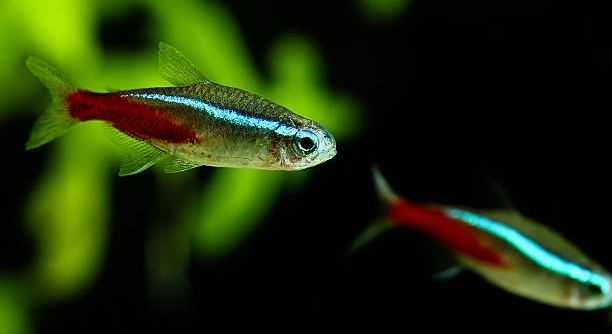
Are your tetras all facing the filter flow in your aquarium? This behavior is common among many small schooling fish. It often puzzles fish owners when their fish seem to stay fixed in one direction for long periods.
Tetras facing the filter flow is primarily a natural response to water current and oxygen levels. The movement helps them maintain stability and access well-oxygenated water, which is crucial for their health and comfort in the tank environment.
Understanding why your tetras behave this way can improve your aquarium care and ensure their well-being in the long term. This article will explain the reasons behind this common fish behavior.
Why Do Tetras Prefer the Filter Flow?
Tetras naturally face the filter flow because it helps them stay stable in the water. The current creates a gentle resistance that mimics conditions they experience in the wild. This resistance allows them to swim in place without using much energy. Facing the flow also ensures they receive a constant supply of oxygenated water, which is vital for their breathing. Filters circulate water, removing waste and increasing oxygen levels. By positioning themselves here, tetras make it easier to breathe and remain comfortable. The flow also helps them avoid stagnant areas where waste might collect. This behavior is instinctive and helps them maintain their health. While it may seem like they are stuck or stressed, this positioning is usually a sign they are adapting well to their tank environment.
This natural behavior benefits tetras by reducing energy use and providing steady oxygen. It is a positive sign of their adaptation.
Observing this habit closely can help tank owners adjust flow rates and oxygen levels. Proper flow keeps fish active and healthy without overwhelming them. Balancing current strength avoids stress while supporting natural behavior patterns in your tetras.
How to Adjust Your Aquarium for Tetras Facing the Flow
If your tetras seem too fixed on the filter flow, adjusting the current can help balance their activity. Too strong a flow may tire them, while too weak might reduce oxygen levels. Start by setting the filter to a moderate speed that gently circulates water without pushing fish too hard. Adding plants or decorations near the filter can break up strong currents and offer resting spots. These provide calm areas where tetras can swim freely and retreat if needed. Monitoring water quality regularly ensures oxygen levels stay consistent, supporting the fish’s needs. Proper tank size also plays a role; overcrowding can cause fish to cluster near the filter. Regular maintenance, including cleaning the filter and performing water changes, helps keep the environment stable and inviting for your tetras.
Adjusting flow and tank conditions helps tetras stay comfortable and balanced in their environment.
Proper care means managing water movement and oxygen supply carefully. Keeping the current steady but not overwhelming allows tetras to express natural behavior while avoiding fatigue. Tank decorations help create a varied habitat where fish can choose their preferred spots. Maintaining good water quality is essential to prevent stress and health problems. Regular checks and gentle adjustments support your fish’s well-being. Understanding their behavior around the filter helps you create a more natural and comfortable home for your tetras. This care approach ensures they remain lively and healthy, showing their best colors and personality in the aquarium.
Impact of Water Quality on Tetra Behavior
Poor water quality can cause tetras to cluster near the filter flow where oxygen is higher. Uneaten food, waste buildup, and improper filtration lower water quality, stressing fish. Maintaining clean water is essential for their health and behavior.
Regular water changes reduce toxins and help keep ammonia, nitrite, and nitrate levels low. A good filter removes debris and circulates oxygen-rich water. Testing water parameters weekly helps detect problems early. When water quality is stable, tetras spread out more evenly, showing less stress and more natural swimming patterns. Monitoring temperature also matters, as tetras prefer a consistent, moderate range. Keeping the tank clean supports a calm environment where fish feel safe and healthy.
Ignoring water quality leads to lethargy and illness, making tetras rely heavily on the filter flow. Taking care of water conditions reduces this dependence, encouraging natural behavior and better overall health. A clean, stable tank is the foundation for happy tetras.
Adjusting Filter Position and Flow Rate
Positioning the filter properly can improve water flow and fish comfort. Placing it to create gentle circulation rather than strong jets helps tetras swim naturally. Avoid pointing the flow directly at resting areas or plants.
Using adjustable filters allows control over the current strength, preventing fish from being pushed around. If the flow is too strong, tetras may become stressed or hide more often. Adding a spray bar or sponge can diffuse the water flow, softening its impact. Observing how your fish respond to these changes is important to find the best setup. Gentle, consistent flow supports their health by delivering oxygen without causing fatigue.
Proper filter placement and flow adjustment make a noticeable difference in your tetra’s behavior. Small tweaks can transform a tank from stressful to peaceful. Paying attention to your fish’s needs helps you create an environment where they thrive.
Tetras and Tank Size
A small tank can cause tetras to crowd near the filter flow, seeking space and oxygen. Larger tanks provide more room for swimming and exploring. Ensuring adequate space reduces this clustering behavior.
Providing enough swimming area allows tetras to spread out comfortably. Overcrowding stresses fish and forces them to compete for oxygen-rich zones near the filter.
How Lighting Affects Tetra Behavior
Lighting influences how tetras behave in the tank. Bright, direct light can stress them, causing them to hide or gather near shaded areas. Dimmer or natural lighting helps tetras feel secure and swim more naturally. Adjusting light levels can reduce their need to cling near the filter flow.
Introducing Tank Decorations
Decorations create hiding spots and break up strong currents. Plants, rocks, and driftwood give tetras places to rest and feel safe. Properly placed decorations balance the flow, encouraging fish to explore more of the tank. This reduces their focus on the filter flow.
FAQ
Why do my tetras always face the filter flow?
Tetras face the filter flow because it provides a steady source of oxygen-rich water. The current also helps them stay stable with less effort, mimicking their natural environment. This behavior is normal and usually shows they are comfortable in the tank’s conditions.
Is it harmful if my tetras stay in the flow all the time?
Generally, it is not harmful. However, if they never leave the flow or seem stressed, it could mean the current is too strong or water quality is poor. Adjusting flow speed and checking water parameters can help reduce stress and encourage movement.
Can I reduce the filter flow so my tetras don’t always face it?
Yes, reducing the flow can help. Use an adjustable filter or add diffusers like a spray bar or sponge to soften the current. This creates a gentler water movement, allowing tetras to swim more freely without fighting strong currents.
What tank size is best to prevent tetras from crowding near the filter?
A tank of at least 20 gallons is recommended for a small group of tetras. More space means better water circulation and less competition for oxygen near the filter. Overcrowded tanks force fish to gather where oxygen is highest, usually near the flow.
How often should I clean my filter to keep tetras comfortable?
Clean the filter every 3 to 4 weeks or as needed to maintain good water quality. Avoid cleaning all filter media at once to preserve beneficial bacteria. Proper maintenance prevents buildup of waste and toxins, which can stress fish and affect their behavior.
Can lighting affect why my tetras stick near the filter flow?
Yes, bright or harsh lighting can cause stress, making tetras seek shaded or safer areas, often near the filter. Using dimmer or natural lighting can help them feel more secure and encourage natural swimming behavior throughout the tank.
Do tank decorations influence tetra behavior near the filter?
Decorations provide hiding spots and break up water flow, which helps fish feel safe. Plants, rocks, and driftwood offer places to rest away from strong currents. This can reduce their need to stay near the filter flow, promoting a more natural distribution in the tank.
Is facing the filter flow a sign of illness in tetras?
Not usually. Facing the flow is normal behavior. However, if fish show other signs like lethargy, loss of appetite, or unusual spots, it may indicate illness. In such cases, test water quality and consider consulting a vet or fish expert.
How can I tell if the filter flow is too strong for my tetras?
If tetras struggle to swim, get pushed around, or hide constantly, the flow might be too strong. Fish should be able to swim comfortably without excessive effort. Adjusting the filter speed or adding flow diffusers can create a gentler environment.
Will tetras face the filter flow more in a newly set-up tank?
Yes, new tanks may have uneven oxygen distribution, causing tetras to gather near the filter where oxygen is higher. Over time, as the tank stabilizes and beneficial bacteria grow, fish usually spread out more evenly.
Should I increase aeration if my tetras cling to the filter flow?
Increasing aeration can help raise oxygen levels throughout the tank, reducing fish reliance on the filter flow. Adding air stones or surface agitation improves oxygen circulation, promoting healthier and more active fish behavior.
Can overfeeding affect why tetras gather near the filter?
Overfeeding leads to leftover food that decomposes and reduces water quality. Poor water conditions stress fish, causing them to seek better oxygen zones near the filter. Feeding appropriate amounts and cleaning excess food supports healthier behavior.
Does water temperature impact tetras facing the filter flow?
Yes, tetras prefer stable temperatures between 72°F and 80°F. Too high or low temperatures can stress them, making them cling to oxygen-rich areas near the filter. Keeping a consistent temperature helps maintain their comfort and activity level.
What is the best way to encourage tetras to explore the entire tank?
Create a balanced environment with moderate flow, proper lighting, plenty of decorations, and clean water. Providing hiding spots and gentle currents encourages natural movement. Regular maintenance and proper feeding support active, healthy tetras.
How do I know if my tetras are stressed by the filter flow?
Signs of stress include frantic swimming, hiding constantly, loss of color, or clamped fins. If these occur near the filter, try reducing flow speed and improving water quality. Stress reduction improves their overall health and behavior.
Can tank mates influence why tetras face the filter flow?
Aggressive or territorial tank mates can cause tetras to stay near the filter for safety. Ensuring compatible species and enough hiding places helps reduce stress and allows tetras to swim freely throughout the tank.
Final Thoughts
Observing tetras facing the filter flow is a common experience for many aquarium owners. This behavior is a natural response to the environment inside the tank. The filter flow creates a steady current that helps the fish stay stable while conserving energy. It also delivers oxygen-rich water, which is important for their breathing and overall health. While it may look like the fish are stuck or stressed, this is often just how they adapt to their surroundings. Understanding this can help you feel more confident in managing your aquarium and caring for your tetras.
Proper tank setup plays a key role in how your tetras behave. Ensuring the water quality is good, the flow is moderate, and the tank is spacious enough will encourage healthy fish activity. Decorations and plants also contribute by providing hiding spots and breaking up currents, so fish do not feel forced to stay near the filter. Regular maintenance, like cleaning the filter and changing the water, supports a stable environment. These factors together reduce stress and promote natural behaviors, making your tank a better home for your tetras.
It is important to pay attention to the overall health and behavior of your fish. If your tetras always face the filter flow but seem active, healthy, and show no signs of distress, their behavior is likely normal. However, if you notice signs of stress or illness, reviewing tank conditions is necessary. Adjusting water flow, lighting, tank size, and decoration can make a big difference. Creating a balanced and comfortable habitat helps your tetras thrive and enjoy their space. Taking these steps shows careful care, which leads to a happier aquarium and healthier fish.

Hello,
If you enjoy the content that we create, please consider saying a "Thank You!" by leaving a tip.
Every little bit helps us continue crafting quality advice that supports the health, happiness, and well-being of pets around the world, for pets of all shapes, sizes, and species.
We really appreciate the kindness and support that you show us!