
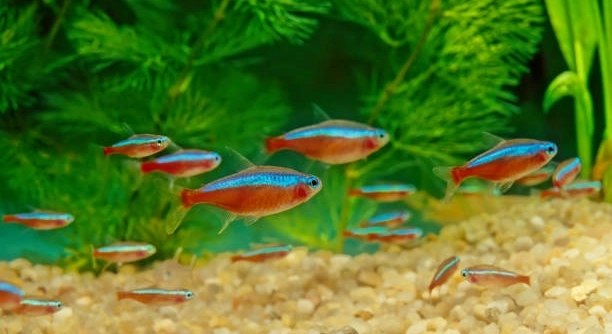
Is your tetra tank crystal clear but your fish seem stressed or unwell? Overfiltering might be doing more harm than good.
Overfiltering a tetra tank can disrupt water flow, strip essential nutrients, and stress the fish by mimicking turbulent conditions. This imbalance in the ecosystem can negatively affect tetra behavior, weaken their immune systems, and reduce overall tank health.
Understanding how filtration impacts your tank will help you create a safer, calmer environment that better supports your tetra’s natural needs.
Too Much Flow Can Stress Your Tetras
Strong water currents caused by overfiltering can stress tetras and make them feel unsafe. These fish are native to calm, slow-moving rivers, so a tank with too much flow doesn’t match their natural environment. Tetras may struggle to swim against the constant movement, leading to fatigue and hiding. This stress can also weaken their immune systems, making them more likely to get sick. If you notice your tetras avoiding certain areas of the tank or staying near the bottom, the water flow might be too strong. Using baffles or adjusting the filter output can help reduce movement and make the tank more comfortable. A gentle, even flow is better suited to tetras, giving them a chance to explore and rest without being pushed around by the current. Watching their behavior after you adjust the flow is a good way to see if the change helped reduce their stress.
Strong currents disrupt swimming, reduce comfort, and make your tetras feel unsafe in their own tank.
Choosing the right filter settings is important for tetras. While they still need clean water, they also need rest. Filters with adjustable flow or pre-filters can help manage the current without reducing water quality. This balance supports their health and reduces daily stress.
Overfiltering Removes Beneficial Elements
Filters that are too powerful can strip the water of essential nutrients and microorganisms that help keep your tank balanced.
Tetras rely on stable, gentle conditions. Overfiltering doesn’t just move water—it can take away things the fish need. For example, good bacteria that live in the tank help break down waste. These bacteria often grow in low-flow areas like sponge filters or gravel. If your filter is too strong, it may prevent these bacteria from staying in place. In addition, filters that use too much chemical media, like activated carbon, can pull out helpful trace elements and nutrients needed for plant growth. This can affect both live plants and overall water chemistry. When the water becomes too clean, it may lack the healthy microorganisms and nutrients that keep everything in balance. Tetras can become more prone to stress, disease, and even color fading. To avoid this, choose filter setups that keep water clean without over-stripping it. Maintaining this balance keeps the tank healthier for longer.
Disrupts Natural Behavior Patterns
Tetras may stop schooling properly when the tank has too much current. Instead of swimming in calm, synchronized groups, they may separate, hide, or constantly struggle to stay in place. This is a sign they feel unsafe or overstimulated.
Schooling is an important part of tetra behavior. When the water flow is too strong, it disrupts their ability to move together, making them feel scattered and exposed. This constant effort to adjust their movement can tire them out and lead to unusual behavior like darting, aggression, or isolation. Over time, this may cause stress that weakens their immune systems and leads to illness. A balanced flow allows them to group naturally and stay relaxed. Watching how they move across the tank helps you understand if the environment suits their needs or if adjustments are needed.
You might also notice they spend more time in corners or behind decorations. This isn’t just them resting—it’s a sign they’re avoiding the current. A gentle, even flow helps them feel secure and return to normal schooling. Using sponge filters or diffusers can make a big difference. Their activity and colors often improve once their behavior is no longer disrupted by constant water movement.
Can Harm Delicate Fins
Tetras have delicate fins that can become damaged over time when exposed to constant, strong currents. Torn fins don’t always heal quickly and can increase the risk of infection.
When water flow is too forceful, tetras have to use more energy to stay in place. This constant strain can wear down their fins, making them look frayed or torn. Some species, like the long-finned varieties, are especially vulnerable. Once the fins are damaged, it’s easier for bacteria or fungus to enter and cause problems. Even minor injuries from swimming into decorations due to strong flow can lead to infection if the fish is already stressed. Overfiltering doesn’t just impact their comfort—it affects their physical condition.
Maintaining a gentle current helps protect their fins from unnecessary wear. It also allows them to swim naturally without overexerting themselves. Use filters with adjustable output or consider placing soft plants and décor to break up the flow. Keeping an eye on their fins during regular tank checks is a simple way to catch problems early. If you notice fraying or redness, reducing the current may help. Healing is more likely when the stressor is removed, and their environment feels safe again.
Causes Sudden Temperature Changes
Filters that push out too much water can cause uneven heating. This makes it harder to maintain a stable temperature across the tank, especially in smaller setups. Tetras are sensitive to quick changes and may react with stress or illness.
If the water is constantly moving too fast, warm areas from the heater may not spread evenly. This can create hot and cold spots in the tank. Tetras may try to avoid colder areas, limiting their swimming space. A steady temperature helps support their immune system and overall comfort.
Increases Evaporation Rate
When filters create surface agitation, the water evaporates faster. This can lower the water level quickly and change the tank’s parameters, like hardness and pH. Regular top-offs are needed, but too much change can still affect sensitive fish like tetras.
Can Interfere with Feeding
Strong water flow can make it harder for tetras to eat properly. Food may move too fast or scatter across the tank. This often leads to uneaten food falling to the bottom, which can affect water quality. Feeding in a calmer area helps make sure they get the nutrition they need.
FAQ
How do I know if my filter is too strong for my tetras?
If your tetras are hiding, struggling to swim, or avoiding areas with flow, your filter may be too strong. You might also see them sticking to the corners or behind decorations where the water is calmer. If they seem constantly tired or aren’t schooling properly, it’s worth checking the filter strength. Sudden darting or erratic swimming can also be signs of discomfort caused by current. Watch how your fish behave after feeding or cleaning. If they seem more relaxed when the filter is off or reduced, that’s a good clue it’s too strong.
What kind of filter is best for a tetra tank?
Sponge filters, hang-on-back filters with adjustable flow, or internal filters with spray bars are all good choices. These types allow you to control how fast the water moves. Sponge filters are especially gentle, making them a great option for tanks with small, delicate fish. If you use a hang-on-back filter, look for one with a flow control knob or use a baffle made from a plastic bottle or sponge to soften the outflow. The goal is to clean the water without stirring it too much. Filters should suit both the tank size and the behavior of the fish.
Can overfiltering cause health issues in tetras?
Yes, overfiltering can cause long-term stress, which may weaken the immune system. This can make tetras more prone to fin rot, ich, and bacterial infections. Their appetite might drop, colors may fade, and they may become less active. Physical damage to fins from strong currents also opens the door for secondary infections. Over time, this can lead to chronic health problems or a shorter lifespan. Preventing these issues is easier than treating them. A more balanced flow helps tetras thrive and reduces the chances of illness caused by constant stress or injury.
How do I reduce flow without replacing my filter?
You can reduce the flow by adding a pre-filter sponge to the intake or using a baffle to slow the outflow. Many people cut a plastic water bottle and use it to divert the flow against the tank wall. You can also add plants, decorations, or rocks to help block the current. Some filters come with spray bars or directional nozzles that you can aim toward a wall or downward. This reduces the direct impact of the water movement. Try adjusting one part at a time and observe your tetras’ behavior to find what works best.
Why is surface agitation a problem for tetra tanks?
Tetras prefer calmer surface water. Too much agitation increases evaporation and oxygen exchange beyond what’s needed. It can also make it harder for them to feed and disrupt floating plants. While some movement is important to prevent stagnation, it shouldn’t cause visible swirling or splashing across the surface. A stiller surface keeps the tank more stable.
Can I turn my filter off at night?
It’s not recommended to turn off your filter at night. Beneficial bacteria need constant water flow to survive. Turning off the filter for hours can reduce oxygen levels and cause harmful bacteria to grow. Instead, reduce the flow or redirect it during the night if needed. If your tetras are extra sensitive to noise or water movement at night, use a quieter filter or move decorations to help soften the flow.
What signs show my tetras are comfortable after reducing flow?
Your tetras will likely school more, swim through open areas, and show brighter colors. You may also notice they explore more of the tank instead of staying in one spot. Their movements will look smooth and relaxed instead of jerky or strained. Feeding time becomes easier too—they’ll catch food quickly without chasing it around. Comfortable fish interact more with their environment and display natural behavior. Small changes in filter output can lead to big improvements in how your tank looks and how your tetras feel.
Final Thoughts
Keeping your tetra tank healthy means finding the right balance, and that includes how much filtration you use. Clean water is important, but too much flow or filtering can do more harm than good. Overfiltering may lead to stress, damaged fins, poor feeding, and even changes in water temperature. These are small things that add up over time and affect how your fish feel and behave. Tetras are active but gentle fish, and they thrive best in calm, steady environments that don’t change too quickly. A strong filter may seem like a good idea at first, but it can work against the natural needs of your fish.
Many signs of overfiltering are easy to miss at first. If your tetras start hiding more, stop swimming in groups, or avoid the middle of the tank, these are small signals that something might be off. Watching how they behave each day helps you understand if your setup is working well. You don’t need to buy expensive equipment to fix the issue—sometimes, simple changes like adding a sponge filter or redirecting the water flow can make a big difference. The goal is not just clean water but water that feels right for the fish. Filters are tools, and like any tool, they work best when used correctly.
Taking the time to learn what your tetras need helps you give them a better life. A well-balanced tank leads to healthier fish, fewer problems, and a more relaxing experience overall. Overfiltering is just one of many things to watch out for, but it’s an important one. It’s easy to think more filtering is always better, but that’s not always true—especially for small, gentle species like tetras. When you focus on creating the right environment, everything in the tank starts to improve. The fish act more naturally, the water stays stable, and you’ll likely have fewer maintenance issues in the long run. Making these small adjustments now can help your tank run smoother and keep your tetras happy for years to come.

Hello,
If you enjoy the content that we create, please consider saying a "Thank You!" by leaving a tip.
Every little bit helps us continue crafting quality advice that supports the health, happiness, and well-being of pets around the world, for pets of all shapes, sizes, and species.
We really appreciate the kindness and support that you show us!