
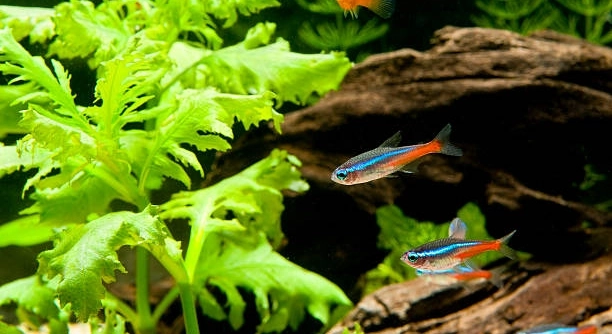
New tetras are popular aquarium fish, but many owners notice them dying soon after bringing them home. Understanding the common causes of these early deaths can help improve their survival rates and overall health in your tank.
New tetras often die quickly due to stress from transportation, poor water quality, sudden changes in environment, improper diet, disease exposure, inadequate tank setup, and overcrowding. These factors compromise their immune system, making them vulnerable to illness and premature death.
Knowing these reasons will help you create a better environment for your tetras. This guide explains the key factors affecting their health and how to avoid common mistakes.
Stress from Transportation and New Environment
Transporting new tetras from the store to your home can be very stressful for them. They often face changes in temperature, water conditions, and handling, which weakens their bodies. Once in your aquarium, sudden changes in their environment, such as different water parameters or lighting, can add to their stress. Stress lowers their immunity, making it easier for diseases to take hold. Even small changes, like moving the tank or adjusting filters, can affect them if done too quickly. It’s important to acclimate new tetras slowly by gradually mixing tank water with their transport water. This helps them adjust to new conditions without shock. Monitoring water quality and maintaining stable parameters are key steps to reduce stress. Taking these precautions gives your new tetras a better chance to settle in and thrive.
Acclimating your fish carefully reduces stress and helps them survive the critical first days in your tank. Avoid sudden changes.
Maintaining a calm environment during transportation and acclimation supports your tetras’ health. Stable water temperature and gradual adjustment to new water conditions help prevent shock. Proper handling and avoiding overcrowded transport bags also reduce stress. Small but consistent efforts at this stage can improve their chances of living longer in your aquarium. Observing behavior during acclimation gives clues about their well-being. Ensuring your tank matches their preferred water conditions, such as temperature and pH, is essential before introducing them. The better prepared your tank is, the smoother their transition will be, and the healthier your tetras will remain.
Poor Water Quality and Its Impact
Poor water quality is a leading factor in the early death of new tetras. Ammonia, nitrites, and nitrates from fish waste and uneaten food create toxic conditions. These chemicals irritate fish gills and skin, making it difficult for them to breathe and increasing susceptibility to infections. Regular water testing is necessary to keep levels safe. Cleaning the tank and changing water regularly help maintain good quality. Overfeeding can also cause water pollution, so feeding small amounts is better. An established filter supports the biological cycle that breaks down waste. Without it, toxic buildup happens quickly. Poor water quality causes chronic stress, weakening fish immune systems over time. Maintaining stable, clean water gives new tetras a healthier start and reduces the risk of illness and death.
Water tests and regular maintenance are crucial to keep your tank safe and healthy for new tetras.
Setting up a proper filtration system is critical to maintain water clarity and quality. Biological filtration breaks down harmful waste products, keeping ammonia and nitrite at zero levels. Mechanical filters remove debris, and chemical filters can reduce toxins. Testing water parameters like pH, hardness, and temperature ensures the environment fits your tetras’ needs. Frequent partial water changes prevent buildup of nitrates and other pollutants. Avoid overcrowding to reduce waste and stress on the filter system. Using water conditioners removes chlorine and chloramines that harm fish. Paying close attention to these details helps prevent diseases caused by poor water and keeps your tetras active and healthy in the long term.
Improper Diet and Feeding
New tetras often suffer when their diet is not suitable. Feeding only flakes or neglecting variety can lead to nutritional deficiencies. Small, frequent meals with a balanced diet improve their health.
Providing a diet rich in protein and nutrients is essential for new tetras. They thrive on a mix of high-quality flakes, frozen or live foods like brine shrimp, and occasional vegetable matter. Overfeeding causes water pollution, but underfeeding weakens their immune system. It is best to feed small amounts two to three times a day, ensuring they eat everything within minutes. Avoid sudden changes in diet to prevent digestive issues. Consistency and variety support their growth and resistance to disease.
Some tetras may be picky eaters at first, so introducing new foods slowly helps them adapt. Monitoring feeding behavior is important to spot problems early. Balanced nutrition supports their color, energy, and immune defenses, reducing the chance of early death.
Disease Exposure and Prevention
Diseases can spread quickly in tanks, especially when introducing new fish without quarantine. Quarantining new tetras for at least two weeks helps identify and treat illnesses before adding them to the main tank.
Keeping your aquarium clean and avoiding overcrowding lowers the risk of disease outbreaks. Stress and poor water quality increase susceptibility, so maintaining these conditions helps prevent illness. Recognize signs like lethargy, spots, or unusual behavior early. If sickness appears, isolate the affected fish and treat promptly with appropriate medication. Preventative measures are better than cures.
A healthy tank environment and proper quarantine protect new tetras from common infections such as ich, fin rot, and parasites. Regular observation and good hygiene practices reduce chances of disease and support long-term health.
Inadequate Tank Setup
A tank that is too small or lacks hiding places stresses tetras. They need enough space and plants or decorations to feel secure.
Proper tank size and layout help reduce stress and aggression. A minimum of 10 gallons is recommended for small groups.
Overcrowding and Its Effects
Overcrowding leads to poor water quality and increased stress. Too many fish produce more waste, which the filter may not handle well, leading to toxic buildup. Tetras become stressed, lowering their immune response and making disease more likely.
A balanced fish population ensures a healthier environment. Keeping the right number of fish for your tank size and maintaining filtration systems will keep your tetras happier and healthier. Regular monitoring and adjustments can prevent overcrowding problems before they start.
Sudden Environmental Changes
Abrupt changes in temperature, lighting, or water chemistry shock new tetras. Keeping conditions stable prevents stress and illness.
FAQ
Why do new tetras die soon after being added to a tank?
New tetras often die quickly because they experience stress from transportation and sudden changes in their environment. Poor water quality, inadequate diet, exposure to diseases, and overcrowding also contribute. These factors weaken their immune systems, making them vulnerable to illness and early death.
How can I reduce stress when introducing new tetras?
Acclimate new tetras slowly by gradually mixing tank water with their transport water. Keep tank conditions stable, including temperature and pH. Avoid sudden changes in lighting or tank placement. Provide plenty of hiding spots so they feel secure.
What is the best diet for new tetras?
A varied diet is important. High-quality flakes or pellets combined with frozen or live foods like brine shrimp or daphnia provide balanced nutrition. Feed small amounts two to three times daily to avoid overfeeding and water pollution.
How often should I test my aquarium water?
Test water parameters like ammonia, nitrites, nitrates, pH, and temperature at least once a week. More frequent testing is needed if the tank is new or if fish show signs of stress or illness. Keeping these parameters stable is crucial for tetra health.
Do I need to quarantine new tetras before adding them to my main tank?
Yes, quarantining new fish for two weeks helps prevent the spread of disease. It allows you to observe and treat any signs of illness before introducing them to established fish.
What tank size is suitable for tetras?
A minimum of 10 gallons is recommended for a small group of tetras. Larger tanks are better for stability and to accommodate their active swimming behavior. Overcrowding causes stress and poor water quality.
What common diseases affect new tetras?
Common diseases include ich (white spot disease), fin rot, and parasitic infections. Symptoms include white spots, torn fins, lethargy, and loss of appetite. Early detection and treatment are important.
How can I prevent diseases in my tetra tank?
Maintain good water quality, avoid overcrowding, and quarantine new fish. Keep the tank clean with regular water changes and monitor fish behavior for early signs of illness. Use medications only when necessary.
Can sudden changes in temperature harm my tetras?
Yes, rapid temperature fluctuations can stress or even kill tetras. Keep the tank temperature stable, ideally between 72°F and 79°F. Use a reliable heater and thermometer to monitor conditions.
Why is it important to avoid overcrowding?
Overcrowding increases waste, reduces oxygen levels, and causes stress, all of which can weaken fish immune systems and lead to disease outbreaks. Maintain an appropriate number of fish for your tank size.
What should I do if my tetras show signs of illness?
Isolate sick fish in a quarantine tank to prevent spreading disease. Test water quality and improve tank conditions. Use recommended treatments based on symptoms. Consult with aquarium experts or vets if necessary.
How much light do tetras need?
Moderate lighting that mimics their natural habitat works best. Too much light can increase algae growth and stress fish, while too little can affect their behavior and health.
Are live plants helpful in a tetra tank?
Yes, live plants provide hiding spots, improve water quality by absorbing nitrates, and help create a natural environment that reduces stress.
How can I tell if my tetras are stressed?
Signs of stress include hiding more than usual, loss of color, rapid breathing, and loss of appetite. Stress often precedes illness, so addressing causes early helps prevent death.
Is it okay to mix tetras with other fish species?
Tetras generally do well with other peaceful community fish, but avoid aggressive or much larger species that may bully or eat them. Compatibility helps reduce stress and injury.
How long do tetras usually live in a healthy tank?
With proper care, tetras can live 3 to 5 years. Providing good water quality, a balanced diet, and a stress-free environment helps maximize their lifespan.
What’s the best way to clean my tank without harming tetras?
Use a siphon to remove debris during partial water changes, clean filters as recommended, and avoid using soap or chemicals. Regular maintenance keeps water safe and healthy.
How often should I change the water?
Perform partial water changes of about 20-25% weekly to keep water fresh and reduce toxins. More frequent changes may be needed if the tank is heavily stocked or if water tests indicate poor quality.
Can temperature changes trigger disease outbreaks?
Yes, temperature stress weakens immune systems, making tetras more prone to infections like ich. Keeping stable, suitable temperatures is essential for prevention.
What are signs of poor water quality?
Cloudy water, foul odor, algae overgrowth, and unusual fish behavior such as gasping at the surface indicate poor water quality. Regular testing and maintenance can prevent these issues.
Final thoughts on caring for new tetras focus on creating a stable and healthy environment. These small fish can be sensitive to sudden changes, so patience and attention to detail matter. From the moment you bring them home, careful acclimation helps reduce stress and supports their adjustment to the new tank. Monitoring water quality and maintaining consistent conditions are key steps. Avoiding overcrowding and providing enough space ensures they have room to swim and hide when needed.
Feeding tetras a balanced diet with variety keeps them strong and less vulnerable to disease. Small, frequent meals prevent overfeeding and water pollution, which can otherwise harm their health. Quarantining new fish before adding them to the main tank is a good practice. It helps catch any illnesses early and prevents spreading infections to other fish. Regular observation for any changes in behavior or appearance can help catch problems before they worsen.
Keeping tetras healthy requires ongoing effort, but the results are worth it. Clean water, proper feeding, and a calm environment support their long-term survival. Understanding common risks and acting on them helps reduce the chance of early deaths. With the right care, new tetras can grow vibrant and active, adding beauty to your aquarium. Consistency in tank maintenance and attention to their needs will give these small fish a better chance to thrive.

Hello,
If you enjoy the content that we create, please consider saying a "Thank You!" by leaving a tip.
Every little bit helps us continue crafting quality advice that supports the health, happiness, and well-being of pets around the world, for pets of all shapes, sizes, and species.
We really appreciate the kindness and support that you show us!