
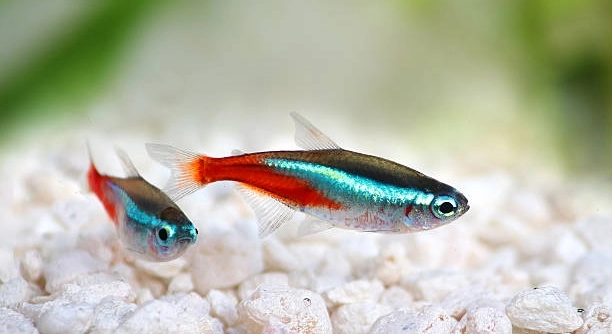
Tetras are popular aquarium fish known for their bright colors and peaceful nature. Many aquarists notice that tetras sometimes school with other species instead of their own. This behavior can be puzzling but has understandable reasons behind it.
Tetra schooling with other species usually happens due to environmental factors, social needs, or safety concerns. These fish may join other groups to feel secure, find food, or cope with changes in their tank conditions. Understanding these causes is important for proper fish care.
Learning why tetras choose to school with other fish helps maintain a healthy and harmonious aquarium environment. This knowledge supports better decisions for tank setup and fish wellbeing.
Tank Size and Population
A small or overcrowded tank can make tetras feel stressed and unsafe. When there are too many fish in a limited space, tetras might look for other groups to join because they cannot find enough of their own kind nearby. In small tanks, natural swimming patterns are disrupted, and tetras may not have enough room to form their usual schools. This can push them to mix with other species that are more available or active around them. Also, overcrowding reduces hiding spots, increasing competition for space and causing discomfort. It’s important to provide enough room for each fish and maintain a balanced population. Doing so allows tetras to behave normally and helps keep the tank peaceful.
Keeping the right tank size and stocking levels encourages natural schooling behavior. It reduces the chance of tetras grouping with other species due to stress or space issues.
Proper tank setup means enough room for all fish to swim freely. Adding plants and decorations creates safe areas and breaks up sightlines. These help tetras feel secure and less likely to seek other schools. Regularly checking the number of fish against tank capacity prevents overcrowding problems before they start.
Water Conditions and Compatibility
Tetras are sensitive to water quality, including temperature, pH, and cleanliness. When water conditions don’t meet their needs, they may become stressed and look for other species that tolerate different or less ideal environments better. Sometimes, tetras school with fish that thrive in similar water parameters because it feels safer or more comfortable. Even slight differences in water chemistry can change fish behavior and social groupings. Keeping stable and appropriate water conditions is key to encouraging tetras to school together as expected.
Incompatible tank mates may also influence tetra schooling. Fish that are aggressive, overly active, or have very different habits can cause tetras to adjust their social behavior. Tetras often avoid conflict by joining calmer groups or hiding with other peaceful species.
Choosing compatible species and maintaining good water quality supports natural schooling behavior. It also ensures a healthy, stress-free aquarium for all its inhabitants. Proper care of water parameters and thoughtful species selection go hand in hand when setting up a tetra tank.
Social Behavior and Stress
Tetras are social fish that rely on schooling to feel safe and secure. When stressed, their behavior changes, and they may join other species for comfort or protection.
Stress can be caused by many factors, including sudden changes in the tank environment, poor water quality, or aggressive tank mates. When stressed, tetras may stray from their usual schools and group with other fish that seem less threatening. This behavior helps reduce anxiety and increases their chances of survival. Understanding and reducing stress triggers is important to keep tetras healthy and encourage normal schooling habits.
Consistent care and a stable environment help tetras feel safe. Providing a peaceful tank with compatible species reduces stress and keeps their natural social patterns intact. Avoid sudden changes like quick water parameter shifts or adding aggressive fish without proper introduction. A calm atmosphere supports the well-being of all aquarium inhabitants and encourages tetras to school properly.
Feeding Habits and Food Availability
Tetras tend to follow groups that offer better access to food. If food is unevenly distributed or scarce, they might school with other species that are more successful at finding meals.
When food is limited or feeding spots are crowded, tetras may leave their own groups to join other species that are actively feeding. This behavior ensures they get enough nutrition, especially in competitive environments. Providing multiple feeding areas and regular meals helps reduce this issue. Ensuring all fish get enough food prevents tetras from wandering into unfamiliar schools just to find their share.
Offering a varied diet suited to tetras encourages healthy growth and natural behavior. Balanced feeding routines also prevent aggression around food and promote harmony. Watching feeding time can reveal social dynamics in the tank and allow adjustments if tetras appear stressed or are joining other groups out of necessity.
Lack of Conspecifics
Tetras naturally prefer schooling with their own kind. When there aren’t enough tetras in the tank, they may join other species to satisfy their social needs. This behavior helps them feel less lonely and more secure.
A small number of tetras makes it hard for them to form a proper school. Without enough conspecifics nearby, they look for other fish groups to stay connected. Keeping a healthy number of tetras ensures they maintain natural schooling habits and feel safer in the tank.
Predation and Safety
Tetras school with other species to reduce risk from predators. Joining larger or more aggressive fish can provide extra protection. This behavior increases their chances of survival in a shared environment.
Environmental Changes
Sudden shifts in light, temperature, or water chemistry can confuse tetras. These changes may lead them to seek other groups that seem stable and safe.
Why do tetras sometimes school with other species?
Tetras school with other species mainly because of environmental or social reasons. If their own kind are few or scattered, they join other groups to feel safer. Changes in water conditions or tank setup can also push them toward different fish. Sometimes, they follow other species to find food or avoid stress.
Is it normal for tetras to mix with other fish?
Yes, it can be normal depending on the tank environment. In the wild, fish often school with other species for safety or better access to food. In aquariums, similar reasons apply, especially if the tank is small, crowded, or the water conditions aren’t ideal. It’s not always a problem but should be monitored.
Can mixing schools cause health problems for tetras?
Mixing schools usually does not directly cause health issues, but it can be a sign of stress or poor tank conditions. Stress weakens the immune system and makes tetras vulnerable to disease. It’s important to maintain good water quality and tank balance to prevent health problems.
How many tetras should I keep to avoid them schooling with other species?
Keeping at least six tetras is recommended to encourage natural schooling behavior. A larger group helps them feel secure and reduces the chance they’ll join other fish. Too few tetras in a tank can lead to loneliness and odd social habits.
What tank conditions help keep tetras schooling together?
Stable water temperature, proper pH, and clean water are key. A tank large enough to provide swimming space and plenty of hiding spots also helps. Avoid aggressive or overly active fish that disturb tetras’ peaceful schooling. Regular maintenance supports a healthy environment.
Should I worry if tetras school with different species?
Not necessarily, but it’s worth checking the tank setup. Mixed schooling can indicate stress, poor water quality, or lack of proper social groups. Fixing these issues usually brings tetras back to normal behavior. Watching their interactions can help spot potential problems early.
How can I encourage tetras to school with their own kind?
Keep a group of six or more tetras in a well-maintained tank. Provide plants and decorations for comfort, and avoid overcrowding. Feed regularly with appropriate food and maintain stable water parameters. Creating a calm environment encourages natural schooling habits.
Do different tetra species school together?
Some species of tetras may school together if they have similar size and temperament, but generally, they prefer their own kind. Mixing species can happen in small or crowded tanks but is less common in well-planned setups. It’s best to research compatibility before mixing species.
Can aggressive tank mates cause tetras to school with other species?
Yes, aggressive or territorial fish can stress tetras and force them to seek safety with other species. Tetras prefer peaceful companions, so avoiding aggressive tank mates helps them maintain their natural social behavior and reduces stress.
What signs show that tetras are stressed and schooling with other species?
Signs include erratic swimming, hiding, loss of color, or unusual groupings with other fish. Stressed tetras may also eat less or show signs of illness. Observing behavior closely helps identify stress early so you can adjust tank conditions or social groups.
Tetras are small, peaceful fish that naturally prefer to swim in groups with their own kind. When they school with other species, it often points to something in their environment or social setting that is causing them to change their normal behavior. This could be because their tank is too small, the number of tetras is too low, or there is stress from water conditions or aggressive tank mates. Understanding these reasons helps aquarists create a better home for their fish. By paying attention to the needs of tetras, we can help them feel safe and encourage their natural schooling habits.
Proper tank care plays a big role in how tetras behave. Keeping the water clean, stable, and within the right temperature and pH range makes a big difference. Also, having enough space and hiding spots helps fish feel comfortable and less stressed. When tetras are stressed, they are more likely to join other species for safety. On the other hand, a calm tank with compatible fish and good care supports healthy, natural schooling. It is important to regularly check the tank conditions and make adjustments if needed. This way, tetras can thrive and show their usual active and social behavior.
Finally, maintaining the right number of tetras in the tank is very important. A group of six or more helps them form strong schools and reduces the chance of mixing with other species. Feeding them properly and avoiding overcrowding also supports their wellbeing. When tetras school with their own kind, it means they feel secure and happy. Watching your fish closely can tell you a lot about their health and comfort. Small changes to the environment often bring big improvements in behavior. By understanding the causes of tetra schooling with other species, you can create a peaceful and balanced aquarium that your fish will enjoy.

Hello,
If you enjoy the content that we create, please consider saying a "Thank You!" by leaving a tip.
Every little bit helps us continue crafting quality advice that supports the health, happiness, and well-being of pets around the world, for pets of all shapes, sizes, and species.
We really appreciate the kindness and support that you show us!