
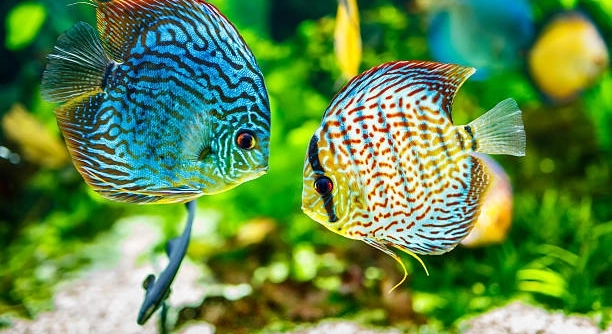
Have you ever watched your discus pair circling each other and wondered what truly sparks the start of their spawning behavior?
Healthy discus begin spawning when specific conditions are met, including stable warm water temperatures, excellent water quality, a protein-rich diet, and a strong social bond between a male and female. These factors promote hormonal changes and breeding readiness.
Understanding these conditions can help you create the right environment to support successful and stress-free spawning in your discus tank.
Key Conditions That Trigger Spawning in Discus
Discus fish need a calm and consistent environment to feel safe enough to spawn. Warm water between 82–86°F, soft water with a pH around 6.0–6.5, and frequent water changes play a key role. Clean, stable water signals to the pair that it’s a good time to reproduce. A protein-rich diet, often including frozen bloodworms or brine shrimp, also supports spawning by strengthening the pair and encouraging hormonal balance. Flat surfaces like broad leaves or slate help them find a suitable spawning spot. If these basics are in place, healthy, bonded discus pairs often begin cleaning a surface and showing increased breeding behavior.
It’s important to keep tank lighting soft and minimize sudden changes in water parameters, which can delay or prevent spawning.
Once a bonded pair is comfortable in their environment, they’ll likely start showing signs like territorial guarding, vertical cleaning, and even mild aggression toward tankmates.
How Diet Influences Breeding Behavior
A nutritious diet boosts the discus pair’s energy and overall health, allowing them to prepare for spawning more effectively.
Feeding discus high-quality protein sources helps stimulate spawning readiness. Live or frozen foods like bloodworms, brine shrimp, and daphnia should be included in their diet regularly. These protein sources promote egg production in females and increase sperm quality in males. Discus fish also benefit from added vitamins and minerals in their diet to maintain health. Feeding them two to three times a day in smaller portions encourages digestion and helps maintain stable water conditions. Overfeeding, on the other hand, can pollute the water, so it’s important to remove uneaten food promptly. Including variety and sticking to a consistent feeding schedule helps balance their digestive system and improves their chances of successful spawning. If your discus aren’t spawning, take a close look at their diet and feeding habits—it could be the missing piece.
Importance of Tank Environment and Setup
The tank environment can either support or stop spawning. Discus need quiet surroundings, clean water, and stable conditions. A poorly maintained tank or sudden changes in temperature and pH can make them too stressed to breed.
Keep the tank in a calm space away from loud noise and foot traffic. Use a heater and filter that maintain consistent temperature and water flow. Avoid strong currents, as discus prefer still water when preparing to spawn. Provide smooth vertical surfaces like ceramic cones, large leaves, or flat stones for egg-laying. Use dim lighting or place floating plants to reduce stress and simulate natural shading. Make sure tankmates are peaceful or remove them entirely to let the pair focus on breeding. A bare-bottom tank is ideal for easier cleaning and better egg survival. With the right setup, discus will feel secure enough to begin their breeding process.
Tank hygiene should not be overlooked. Daily or every-other-day water changes are highly recommended, especially when breeding behavior begins. Residual food, organic waste, or ammonia spikes can lead to stress or fungus that may affect eggs. A clean, quiet space helps the pair focus on bonding and preparing for successful spawning. Pay attention to small environmental shifts—they matter more than you might think.
Role of Behavior and Pair Bonding
Discus spawning behavior often begins with pairing off and becoming territorial. A strong bond between the male and female is essential. You may notice them swimming closely, cleaning a flat surface, and defending their space from other fish.
Pairs usually form naturally in a group of discus, often after several months of growing together. Once formed, the bond strengthens through shared feeding, synchronized swimming, and mutual grooming. These signs often appear days or even weeks before the first spawning attempt. If separated or placed with an unfamiliar mate, discus may become stressed and lose interest in breeding. Some breeders let pairs stay in a separate tank to build trust and reduce outside distractions. It’s also common for the first few spawns to be unsuccessful, with eggs eaten or unfertilized. Don’t be discouraged—it can take several tries before the pair fully settles into their role as parents.
Signs Spawning is About to Begin
Look for frequent surface cleaning, especially on vertical areas like leaves or cones. The pair may also chase away other fish and stay close together, often swimming in circles or shaking slightly near each other.
The female’s breeding tube becomes more visible, and both fish may start to darken slightly in color.
Common Reasons Spawning Fails
Even when conditions seem perfect, first-time pairs often eat their eggs. This can happen due to inexperience, stress, or sudden disturbances around the tank. Inconsistent water parameters, such as small ammonia spikes or pH swings, can also prevent successful fertilization. Too much noise or light around the tank may spook the pair mid-spawn. Aggressive tankmates or excessive algae on the spawning surface can lead to abandonment. Overfeeding or poor diet weakens the pair and affects egg quality. Always check water quality first and make small adjustments before making major changes. Most issues resolve with time and consistency, especially if the pair is otherwise healthy and well-matched.
How Often Healthy Discus Spawn
A healthy pair can spawn every 7 to 10 days if the eggs are removed or don’t hatch. If raising fry, spawning slows.
How long does it take for discus eggs to hatch?
Discus eggs usually hatch within 48 to 60 hours after spawning, depending on the water temperature. Warmer water speeds up development, while cooler water slows it down. Once hatched, the fry remain attached to the spawning surface for a couple of days, absorbing their yolk sacs before becoming free-swimming.
What is the best water temperature for discus spawning?
The ideal temperature range for discus spawning is between 82°F and 86°F (28°C to 30°C). Maintaining stable temperature within this range encourages hormonal changes that trigger breeding behavior. Avoid sudden fluctuations, as they can stress the fish and halt spawning attempts.
Can discus spawn in a community tank?
While discus can spawn in a community tank, it’s often challenging. Other fish might disturb the pair or eat the eggs and fry. For best results, consider moving the breeding pair to a separate tank to reduce stress and protect the eggs.
How do I tell if my discus are a breeding pair?
Breeding pairs show strong bonding behaviors like swimming closely, cleaning the spawning site together, and defending their territory. Females develop a visible breeding tube before laying eggs, and males become more territorial. Consistent interaction and protection of a chosen spot are good signs of a bonded pair.
What should I feed discus to encourage spawning?
A high-protein diet is essential. Foods like frozen bloodworms, brine shrimp, and specially formulated discus pellets support reproductive health. Feed small portions two to three times daily to keep discus strong without polluting the water.
Why do discus eat their eggs?
Egg eating is common, especially for first-time spawners. Stress, poor water conditions, or lack of experience can cause this. Removing the eggs gently or separating the pair sometimes helps prevent this behavior while they gain parenting skills.
How often do discus spawn?
Healthy discus pairs may spawn every 7 to 10 days under ideal conditions. However, spawning frequency often decreases if parents are raising fry or if environmental factors are less than perfect.
What role does water quality play in spawning?
Water quality is critical. High ammonia, nitrite, or nitrate levels stress discus and reduce spawning chances. Regular water changes, stable pH, and clean substrate keep the environment safe for breeding and fry survival.
Can lighting affect discus spawning?
Yes. Bright, constant lighting can stress discus, making them reluctant to spawn. Dim or natural light with a consistent day-night cycle helps create a calm environment that encourages breeding.
What should I do if my discus aren’t spawning?
First, check water parameters and improve diet quality. Make sure the tank is quiet, stable, and offers suitable surfaces for egg-laying. Sometimes, patience is key as discus may need weeks or months to form strong bonds before spawning.
Is it necessary to remove eggs from the tank?
Not always. Many discus pairs care for their eggs, fanning them and keeping them clean. However, if eggs are consistently eaten or fungus develops, removing them to a separate hatching tank may increase survival rates.
How can I tell if the eggs are fertilized?
Fertilized eggs appear clear with a developing embryo inside after 24 hours. Unfertilized eggs turn white or cloudy and should be removed quickly to prevent fungus spread.
What are the early signs of fry health?
Healthy fry become free-swimming around 5 days after hatching. They should be active, respond to light, and show steady growth. Feeding them infusoria or specially prepared fry food helps ensure strong development.
Can temperature changes cause spawning problems?
Yes, sudden drops or spikes in temperature can disrupt hormone levels and prevent spawning. Keeping a steady temperature within the ideal range is essential for breeding success.
Are there any tankmates that encourage spawning?
Peaceful, non-aggressive species that don’t disturb the pair can coexist but don’t directly encourage spawning. Avoid boisterous or fin-nipping fish that might stress the breeding pair.
This FAQ addresses many common concerns and provides clear guidance to support healthy discus spawning. Following these points can help create the right conditions for your discus to breed successfully.
When it comes to spawning discus, patience and consistency are key. These fish respond best to stable, calm environments with carefully maintained water quality. Sudden changes or disturbances can easily stress them and delay breeding. Understanding the specific needs of discus, such as warm, soft water and a protein-rich diet, helps create the right conditions for spawning. The more consistent you can keep their tank environment, the more likely they are to feel secure enough to reproduce. It’s important to observe their behavior closely, as it gives valuable clues about their readiness and comfort level.
Creating a suitable space for discus to spawn also plays a significant role. They prefer flat vertical surfaces like broad leaves, smooth stones, or specially designed breeding cones. This allows them to lay eggs and care for them more easily. Tank setup should include quiet surroundings and minimal disruptions. Additionally, ensuring compatible tankmates or keeping the pair in a separate tank can prevent unnecessary stress or interference. Many breeders find success by slowly adjusting their environment and diet to match the discus’ natural preferences. Over time, this careful attention leads to healthier fish and more frequent spawning events.
Finally, it’s helpful to remember that not every spawning attempt will succeed right away. Discus may eat their eggs or abandon the spawning site during their first few tries, especially if they are young or inexperienced. This is a natural part of the process and does not mean the pair won’t breed successfully in the future. By maintaining good water quality, feeding a balanced diet, and providing a peaceful environment, you give your discus the best chance at successful breeding. Consistent care and patience make all the difference in helping your discus thrive and reproduce.

Hello,
If you enjoy the content that we create, please consider saying a "Thank You!" by leaving a tip.
Every little bit helps us continue crafting quality advice that supports the health, happiness, and well-being of pets around the world, for pets of all shapes, sizes, and species.
We really appreciate the kindness and support that you show us!