
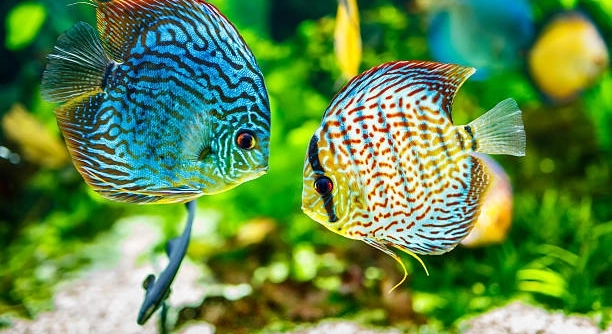
Discus breeding can be a rewarding yet challenging hobby for many fish enthusiasts. Understanding common problems during breeding helps improve success rates and creates a healthier environment for these beautiful fish. This article explains typical breeding failures clearly.
Seven common discus breeding failures include poor water quality, improper diet, inadequate tank setup, stress, disease, incompatible pairs, and incorrect spawning conditions. Identifying and addressing these issues is essential for successful breeding and raising healthy fry in captivity.
Knowing these factors will help you create better conditions for your discus and avoid common mistakes that hinder breeding success. This information can improve your fish’s wellbeing and increase your breeding achievements.
Poor Water Quality
Maintaining clean, stable water conditions is essential for discus breeding. Poor water quality stresses the fish and disrupts their natural breeding behaviors. High levels of ammonia, nitrites, or nitrates can harm both adult discus and their fry. Frequent water changes and proper filtration help keep the tank environment healthy. Temperature and pH should also be closely monitored. Discus prefer slightly acidic to neutral water, typically around 6.0 to 7.0 pH, with temperatures between 82°F and 86°F. Sudden fluctuations in these parameters can cause stress and breeding failure. Regular testing and adjustments are necessary to ensure optimal conditions. Clean water supports strong immune systems, reduces disease risks, and encourages natural spawning.
Water quality directly affects breeding success. Keeping the tank clean and stable creates a safe space for discus to reproduce and raise fry.
Proper water management can prevent many common breeding problems. It supports healthy fish behavior and improves fry survival rates. Monitoring and adjusting water conditions consistently are key steps toward better breeding outcomes.
Inadequate Diet
Discus require a balanced diet to support breeding and fry development. Without proper nutrition, fish may lack the energy or health needed to spawn. Feeding a mix of high-quality flakes, pellets, frozen foods like bloodworms, and live foods provides essential vitamins and proteins. Overfeeding should be avoided, as it can pollute the water and harm the tank environment. A varied diet helps discus build strength and increases the chances of successful spawning. Conditioning fish with nutritious food before breeding encourages better egg production and parental care. Poor diet weakens immune systems, making fish more susceptible to illness during the breeding period.
A well-rounded diet is a critical factor in successful discus breeding.
Consistent feeding routines and high-quality food promote healthier, more fertile discus. By providing diverse nutrition, you support both adult fish and their developing fry. Proper feeding is an important foundation for a thriving breeding setup and healthier offspring.
Stress
Stress negatively impacts discus breeding by disrupting natural behaviors and weakening immune responses. Stressors can include overcrowding, loud noises, or frequent handling.
When discus are stressed, they may stop spawning or abandon their eggs. Creating a calm environment is crucial. Avoid sudden changes in tank conditions and keep the tank in a quiet location. Limiting disturbances and maintaining a stable routine help reduce stress levels. Providing adequate hiding spaces also gives the fish a sense of security, which encourages breeding activity.
Stress not only halts spawning but can lead to disease outbreaks. Fish under stress have weakened defenses and are more vulnerable to infections. Reducing stress is a simple yet effective way to improve breeding success and fry survival. Consistency in care and a peaceful tank environment make a significant difference.
Disease
Disease can interfere with discus breeding by harming the health of adults and fry. Common illnesses include fungal infections, parasites, and bacterial diseases. Sick fish rarely breed successfully.
Preventing disease starts with quarantine procedures for new fish and maintaining good water quality. Early detection and treatment are essential to avoid spreading infections. Signs like lethargy, unusual spots, or loss of appetite should prompt immediate action. Healthy discus have a better chance of producing viable offspring.
Disease outbreaks can devastate a breeding tank if left unchecked. Consistent monitoring and prompt treatment protect the entire population. A strong immune system, supported by proper nutrition and clean water, reduces disease risks. Keeping your discus healthy is critical for sustained breeding efforts.
Incompatible Pairs
Not all discus pairs are compatible for breeding. Some fish simply do not bond well, leading to aggression or lack of spawning.
Choosing compatible pairs involves observing behavior and sometimes separating aggressive or uninterested fish. Patience is important to find the right match.
Incorrect Spawning Conditions
Spawning requires specific tank conditions, including clean surfaces for egg laying and the right water parameters. Without these, discus may not spawn or may eat their eggs.
A flat, smooth surface like a slate or broad leaf encourages spawning. Maintaining stable temperature and pH is essential to support reproductive behavior.
Inexperienced Parents
Discus parents sometimes lack the instinct or experience to care for their eggs and fry properly. This can result in egg loss or fry mortality.
Providing a stress-free environment and observing parental behavior can help. In some cases, artificial intervention may be needed to protect the offspring.
FAQ
What causes discus to eat their eggs?
Discus often eat their eggs due to stress, poor water conditions, or if they sense the eggs are unhealthy. Sometimes first-time parents are unsure how to care for the eggs properly. Maintaining clean water, stable conditions, and minimizing disturbances helps reduce this behavior.
How can I tell if my discus pair is compatible?
Compatible discus pairs usually show calm, cooperative behavior around each other. They may clean a spawning site together and guard their territory without aggression. If fish fight frequently or avoid each other, they are likely incompatible. Patience and observation are key to pairing success.
How often should I change water during breeding?
Frequent small water changes are best during breeding—around 20-30% every few days helps maintain water quality without stressing the fish. Large or sudden changes can shock discus and disrupt spawning behavior. Always match new water temperature and parameters closely.
Can diet affect fry survival?
Yes. Adult discus need proper nutrition to produce healthy eggs, and fry require specialized food after hatching. Feeding a varied, high-quality diet to adults and providing appropriate fry food supports survival and growth. Poor nutrition leads to weak fry and breeding failures.
What is the ideal tank setup for breeding discus?
A breeding tank should be quiet, spacious enough to reduce stress, and have flat surfaces like slates for egg laying. Soft, slightly acidic water with temperatures around 82-86°F encourages spawning. Adequate filtration and gentle water flow keep conditions stable.
How long does discus spawning take?
Spawning usually lasts a few hours to a day, during which eggs are laid and fertilized. Parents then guard the eggs for about 48-60 hours until they hatch. After hatching, fry remain attached to parents for several days while absorbing their yolk sacs.
What signs indicate successful spawning?
Successful spawning includes clean, adhesive eggs laid on a flat surface, with parents actively guarding and fanning the eggs. The eggs appear clear or slightly yellowish, not cloudy or fungus-covered. Parents stay near the eggs and chase away intruders.
When should I separate the fry from the parents?
Fry usually stay with parents for 2-3 weeks before becoming independent. Separation depends on parental behavior and tank conditions. If parents show aggression or fry health declines, it may be necessary to move fry to a separate rearing tank.
Can I breed discus in a community tank?
Breeding discus in a community tank is difficult due to stress and predation risks. Other fish may eat eggs or fry, and discus may not feel secure enough to spawn. A dedicated breeding tank offers a safer, more controlled environment for successful breeding.
How do I treat common diseases during breeding?
Disease treatment during breeding requires caution to avoid harming eggs or fry. Quarantine sick fish and maintain optimal water quality. Use mild medications safe for breeding tanks if necessary, and remove affected individuals quickly to prevent spread. Early detection is crucial.
What causes poor fry growth?
Poor fry growth is often due to inadequate nutrition, poor water quality, or disease. Providing appropriate fry food, frequent water changes, and monitoring health helps support steady growth. Overcrowding also reduces growth rates by increasing stress and competition.
Is it necessary to use live food for discus breeding?
Live food is highly beneficial but not always necessary. It encourages natural feeding behavior and provides high nutrition. Alternatives like frozen or high-quality prepared foods can work if balanced correctly. Including live food improves conditioning and breeding success.
How do I encourage spawning if my discus refuse?
To encourage spawning, ensure ideal water conditions, stable temperature, and good nutrition. Reduce stress by limiting disturbances and providing suitable spawning surfaces. Sometimes separating pairs and reintroducing them after conditioning helps trigger spawning behavior.
What should I do if eggs develop fungus?
Remove affected eggs gently to prevent fungus spread. Increasing water flow and maintaining clean water helps reduce fungal growth. In some cases, adding antifungal treatments safe for breeding tanks can be necessary. Preventing fungus starts with optimal water quality and good parental care.
Can stress cause breeding failure?
Yes, stress is a major factor causing breeding failure. It disrupts hormone levels and fish behavior, leading to abandoned eggs or no spawning at all. Minimizing stress through stable environments, gentle handling, and reducing noise supports successful breeding.
These questions cover common concerns about discus breeding. Addressing each carefully improves the chances of healthy fry and a successful breeding experience.
Final Thoughts
Breeding discus fish can be both challenging and rewarding. Many factors contribute to success or failure, and understanding these helps create better conditions for the fish. Water quality, diet, and stress levels are among the most important elements to control. Keeping the water clean and stable prevents many health problems and encourages natural breeding behavior. Feeding a balanced, nutritious diet supports the health of both adult discus and their fry. Reducing stress by providing a calm, quiet environment helps the fish feel safe and more likely to spawn. Paying attention to these basics makes a big difference in breeding results.
It is also important to recognize that not every breeding attempt will be perfect. Some pairs may not be compatible, and inexperienced parents might have trouble caring for their eggs or fry. Problems like disease or poor spawning conditions can also occur. When challenges arise, carefully observing the fish and making adjustments can improve the chances of success. Patience and persistence are key. Sometimes small changes in tank setup, water parameters, or diet are enough to overcome breeding difficulties. Learning from each experience helps improve the process over time.
Finally, successful discus breeding requires ongoing care and attention. Regular monitoring of water quality, feeding routines, and fish behavior ensures the environment stays favorable. Promptly addressing any signs of disease or stress protects both parents and fry. While breeding discus can be demanding, the reward of watching healthy fry grow and thrive makes the effort worthwhile. Keeping a steady routine and a close eye on conditions supports a healthy breeding cycle. This thoughtful approach helps create a better home for discus and increases the likelihood of successful reproduction.

Hello,
If you enjoy the content that we create, please consider saying a "Thank You!" by leaving a tip.
Every little bit helps us continue crafting quality advice that supports the health, happiness, and well-being of pets around the world, for pets of all shapes, sizes, and species.
We really appreciate the kindness and support that you show us!