
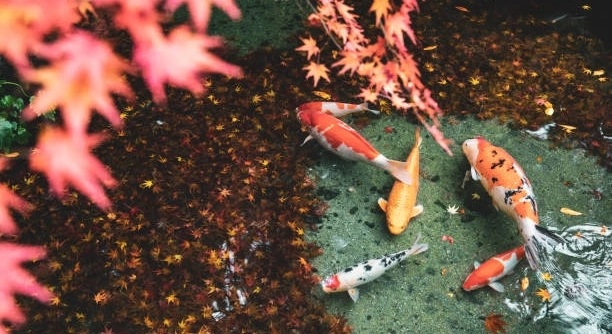
Koi fish are sensitive creatures that respond in different ways to changing weather. Their behavior and activity can shift depending on temperature, light, and other environmental factors. Observing these reactions reveals much about their natural instincts.
Koi react to the weather through changes in movement, feeding habits, and social behavior. Temperature shifts influence their metabolism, while sunlight and rain affect their activity levels. These responses help koi adapt and survive in their aquatic environment.
Understanding these behaviors can help koi owners care for their fish better. Observing weather-linked changes offers valuable insights into koi health and well-being.
How Koi React to Cold Weather
When the temperature drops, koi slow down considerably. Their metabolism decreases, making them less active and less hungry. In colder weather, koi tend to stay near the bottom of the pond where the water is warmer. They move sluggishly and often rest for longer periods. This behavior helps them conserve energy during times when food is scarce. Cold weather can also cause koi to become more vulnerable to diseases because their immune systems weaken. It’s important to monitor water temperature and provide proper care to support their health through the winter months. Keeping the pond clean and avoiding sudden temperature changes can help koi manage colder conditions better.
Koi’s reduced activity in cold weather is a natural survival response. Their bodies adjust to preserve energy until temperatures rise again.
Watching koi slow down can feel quiet and calm, showing how deeply their behavior connects to the seasons and their environment.
Koi and Rainy Days
Rain often stirs up koi activity. The cooler water and added oxygen from rain can encourage koi to swim more actively near the surface. Rain can also wash nutrients into the pond, sometimes increasing feeding behavior. However, heavy rain might lower water temperature quickly, causing koi to react by slowing down after an initial burst of energy. Koi are sensitive to water quality changes, so rain can impact them in various ways. Monitoring the pond after rain is important to ensure the environment stays healthy. Some koi may seek shelter under plants or rocks during heavy rain, showing their natural response to weather changes. Understanding these behaviors helps keep koi safe and comfortable through wet weather periods.
Koi Behavior on Sunny Days
Koi tend to be more active on sunny days. They often swim closer to the surface and enjoy basking in the warmth. Sunlight helps boost their energy and appetite.
Sunlight warms the pond water, which increases koi metabolism. As a result, koi become more lively and eager to feed. They may swim in groups near the surface, showing bright colors that seem to shine more under direct light. However, too much sun can cause the water to heat up too much, leading koi to seek shaded areas to stay cool and avoid stress. Pond plants and shaded spots become important refuges during intense sunny periods.
On sunny days, koi activity levels peak, and their natural colors appear more vivid. Watching them glide gracefully in clear, warm water can be quite calming and beautiful. The sunlight supports their overall health, encouraging feeding and social behavior.
How Koi Respond to Windy Weather
Windy weather often stirs the water surface, affecting koi behavior. They may become more cautious or hide in calmer parts of the pond. Wind can create waves and water movement that koi avoid at times.
The movement caused by wind can lower water temperature slightly and disrupt the pond’s surface, which koi find unsettling. Some koi may swim more slowly or retreat to deeper water where conditions are steadier. Wind can also increase oxygen levels in the water, which koi benefit from. However, strong winds may bring debris into the pond, reducing water clarity and stressing the fish. Keeping the pond clean after windy days helps koi stay comfortable and healthy. Providing sheltered areas in the pond allows koi to find calm spots when the weather is rough.
Koi During Overcast Skies
Koi become calmer when the sky is overcast. They tend to swim slowly and stay deeper in the pond.
The reduced light means less heat, so koi conserve energy and avoid too much movement. Overcast days create a peaceful environment for them to rest.
Koi in Humid Conditions
High humidity affects koi by increasing water moisture and sometimes temperature. This can make koi more active and encourage feeding. They tend to swim near the surface, enjoying the warmer, moist air.
Koi’s Reaction to Sudden Temperature Changes
Koi can become stressed if water temperature shifts quickly. They may hide or slow down to adjust. Sudden changes affect their metabolism and immune system, so gradual temperature shifts are better for their health.
What causes koi to change their behavior during different weather?
Koi change behavior mainly because of how weather affects their environment. Temperature, light, and oxygen levels in the water shift with weather conditions, impacting koi metabolism and comfort. For example, colder weather slows their metabolism, making them less active, while warmer, sunny days boost their energy. Changes in water oxygen also affect swimming and feeding habits. These natural responses help koi survive and stay healthy in varying conditions.
How do koi handle sudden temperature drops?
Sudden temperature drops cause stress to koi. Their bodies need time to adjust, so they may become sluggish or hide to conserve energy. Rapid cooling can weaken their immune system, making them more prone to illness. It’s important to avoid abrupt changes in pond temperature by using pond heaters or insulating the pond during cold spells. Keeping temperature changes gradual supports koi health and reduces shock.
Why do koi swim near the surface on sunny days?
Koi swim near the surface on sunny days because the water warms up there first. Sunlight increases water temperature and oxygen levels near the surface, making it more comfortable and energizing for koi. They also enjoy basking in the light, which can help boost their metabolism and appetite. However, they seek shade if the sun gets too strong to avoid overheating or stress.
What happens to koi during heavy rain?
Heavy rain can lower pond water temperature quickly and stir up debris, which stresses koi. Initially, koi may become more active because rain increases oxygen in the water. But if the rain is intense, koi might seek shelter under plants or rocks to avoid rough water conditions. Monitoring water quality after rain is important, as pollutants and debris can build up, affecting koi health.
How does wind affect koi behavior?
Wind causes waves and water movement that koi sometimes avoid by swimming deeper or staying in calmer parts of the pond. Wind increases oxygen levels, which koi need, but strong winds can also bring debris and lower water clarity. Providing sheltered spots helps koi feel safe and less stressed during windy days.
Are koi more vulnerable to disease in certain weather?
Yes, koi can be more vulnerable to disease when stressed by extreme weather changes, like sudden temperature shifts or very cold weather. These conditions weaken their immune system, making it easier for infections to take hold. Good pond maintenance, stable temperatures, and clean water help protect koi from illness during harsh weather.
Do koi eat less in cold weather?
Koi eat less when water temperatures drop because their metabolism slows down. In cold weather, their digestive systems become less active, so they need less food. Overfeeding in cold conditions can cause health problems, so it’s best to reduce feeding or stop feeding during winter months when koi are mostly resting.
How can pond owners help koi during different weather conditions?
Pond owners can support koi by monitoring water temperature, maintaining good water quality, and providing shelter from extreme weather. Using pond heaters in winter, adding plants for shade, and cleaning debris after storms keep the environment stable. Gradual changes in feeding and watching koi behavior closely can also ensure their well-being through weather shifts.
Why do koi seek shelter during bad weather?
Koi seek shelter during bad weather to avoid stress from strong currents, temperature extremes, or rough water surfaces. Plants, rocks, and shaded areas provide protection and calm. These safe spots help koi conserve energy and reduce the risk of injury or illness during harsh weather conditions.
Can weather affect koi coloration?
Yes, weather can influence koi coloration. Bright sunlight can make their colors appear more vibrant, while cloudy or cold weather might dull their appearance temporarily. Stress from poor weather conditions may also impact their color. Healthy koi in stable environments generally show their best, brightest colors.
Koi are fascinating fish that show many different behaviors depending on the weather. Their reactions are natural ways to cope with changes in temperature, light, and water conditions. Whether it is cold, sunny, rainy, or windy, koi adjust their movement, feeding, and social habits to stay healthy. Understanding these changes can help anyone who cares for koi to provide better support and create a more comfortable environment for them.
Watching koi respond to the weather can also be quite peaceful. Their slow movements on cold days, energetic swims on warm, sunny days, and cautious behavior during storms all show how closely tied they are to their surroundings. It’s important to remember that koi need stable water quality and proper care during weather changes to avoid stress or illness. Simple steps like providing shelter, monitoring water temperature, and adjusting feeding can make a big difference in their well-being.
Overall, koi are sensitive to their environment, and their behavior offers clear signs of how the weather impacts them. By paying attention to these signs, koi owners can better protect their fish through different seasons. The goal is to keep koi safe, comfortable, and healthy no matter what the weather brings. These beautiful fish deserve care that respects their natural reactions and supports their long-term happiness.

Hello,
If you enjoy the content that we create, please consider saying a "Thank You!" by leaving a tip.
Every little bit helps us continue crafting quality advice that supports the health, happiness, and well-being of pets around the world, for pets of all shapes, sizes, and species.
We really appreciate the kindness and support that you show us!