
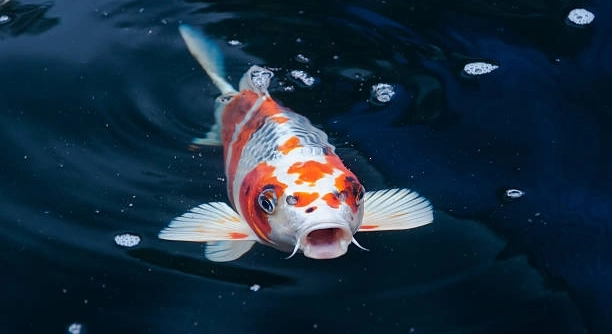
Koi ponds are a beautiful addition to any garden, but constant splashing can become a nuisance. Many pond owners notice this behavior, which can disturb the water and surrounding environment. Understanding why koi splash is the first step to managing it effectively.
Koi splash frequently due to excitement, territorial behavior, or environmental stressors such as water quality and feeding habits. Reducing splashing involves improving pond conditions, providing ample space, and minimizing sudden disturbances that trigger their natural reactions.
Controlling koi splashing can improve your pond’s tranquility and maintain a healthier environment for your fish. Let’s explore practical ways to keep your koi calm and your pond peaceful.
Why Koi Splash So Much
Koi splash for several reasons, often related to their natural instincts and environment. One common cause is excitement, especially during feeding times when they eagerly compete for food. They may also splash to mark their territory, signaling dominance or warning other fish to stay away. Sometimes, splashing happens because of stress from poor water quality or inadequate pond conditions. If the water is too shallow or crowded, koi tend to become restless and splash more frequently. Environmental changes, like loud noises or sudden movements near the pond, can also provoke this behavior. Understanding these triggers helps you create a calm environment for your koi and reduces unnecessary splashing. Maintaining a balanced pond setup with enough space, good water quality, and regular feeding routines is essential to minimizing their splashy habits.
Keeping track of water conditions and koi behavior helps identify what might be causing excess splashing. Observing your pond daily can make a big difference.
Controlling splashing means addressing the root causes. Start by ensuring your pond is deep enough—ideally at least three feet—to give koi space to swim comfortably. Avoid overcrowding by limiting the number of fish according to pond size. Regularly test and maintain water quality, checking for ammonia, nitrites, and pH levels. Feeding your koi smaller amounts more frequently can prevent aggressive competition and reduce excitement. Adding plants or hiding spots offers koi safe areas, lowering territorial disputes. Lastly, minimize loud noises and sudden movements near the pond to keep your koi relaxed. These steps create a peaceful environment where koi are less likely to splash constantly, improving both their health and your enjoyment of the pond.
How to Modify Your Pond Setup
Adjusting your pond setup can significantly reduce koi splashing. Simple changes like adding plants or adjusting water depth create a better habitat.
Adding floating plants or underwater cover helps koi feel secure and reduces splashing caused by territorial behavior. Deepening shallow areas of the pond gives fish enough room to swim calmly. Proper filtration and aeration improve water quality, which lowers stress and splash frequency. Ensuring the pond isn’t overcrowded also keeps koi from becoming aggressive. With these adjustments, your pond environment supports calmer koi and less disturbance. Taking time to improve the habitat benefits both the fish and the overall pond experience.
Feeding Practices to Reduce Splashing
Feeding koi calmly and consistently helps reduce splashing. Avoid overfeeding and use smaller portions spread out over the day.
Feeding koi too much at once often causes excitement and frantic splashing as they compete for food. By offering smaller amounts multiple times daily, koi stay calmer and are less likely to splash aggressively. Using sinking pellets instead of floating food also reduces surface disturbance, which can lead to less splashing. Watching koi while feeding lets you adjust portions based on their appetite, preventing waste and excess behavior.
Additionally, feeding koi in the same area every time helps establish routine and predictability, which lowers stress. Avoid sudden movements during feeding sessions to keep koi relaxed. These small adjustments improve koi behavior and pond tranquility significantly over time.
Managing External Disturbances
External noises and movements can make koi splash more frequently. Minimizing these disturbances helps maintain a calm pond environment.
Loud noises from nearby traffic, pets, or lawn equipment often startle koi, triggering splashing as a defensive response. Keeping the pond area quiet during sensitive times reduces these reactions. Landscaping with shrubs or barriers can block sound and shield koi from sudden sights. Limiting foot traffic or children’s play near the pond also prevents constant disruptions. Maintaining a calm environment around your pond benefits koi health and reduces stress-induced splashing, making your pond a more peaceful place.
Aeration and Water Movement
Proper aeration helps keep koi comfortable and reduces splashing. Balanced water movement prevents stress caused by stagnant or overly turbulent water.
Too little oxygen in the pond can make koi restless, leading to increased splashing. Installing an aerator or waterfall helps maintain oxygen levels and creates gentle water circulation. This reduces boredom and agitation, promoting calmer behavior.
Adding Hiding Spots
Providing places for koi to hide lowers stress and splash frequency. Use plants, rocks, or artificial caves to create safe zones.
Hiding spots make koi feel secure and help reduce territorial splashing. These areas offer refuge from aggressive fish or sudden disturbances, improving overall pond harmony.
Avoid Overcrowding
Overcrowded ponds cause stress and frequent splashing. Keep fish numbers appropriate for your pond’s size and filtration capacity to maintain balance.
FAQ
Why do koi splash so much?
Koi splash mainly due to excitement, territorial instincts, or stress. When feeding, they get excited and may splash to compete for food. Territorial behavior causes splashing to warn others or claim space. Stress from poor water quality, overcrowding, or sudden disturbances can also increase splashing. Understanding these triggers helps manage and reduce the behavior.
Can splashing harm my koi or pond?
Excessive splashing can disturb the pond’s ecosystem by increasing evaporation and spreading debris. It may also stress the fish, affecting their health and immune system. Over time, constant splashing can damage pond edges or plants. Managing splashing improves the environment and helps keep koi healthy.
How deep should my pond be to reduce splashing?
A depth of at least three feet is ideal for koi ponds. Deeper water gives koi room to swim calmly and avoid stress. Shallow ponds can cause fish to feel exposed and restless, leading to more splashing. Proper depth also helps maintain stable water temperatures and quality.
Does feeding koi less reduce splashing?
Yes. Feeding smaller amounts more frequently prevents aggressive competition and excitement that causes splashing. Overfeeding leads to frantic behavior and water disturbance. Using sinking pellets instead of floating food also helps reduce surface splashes.
Will adding plants help with splashing?
Adding plants provides koi with hiding spots and reduces territorial disputes, which lowers splashing. Plants also improve water quality and create natural barriers that calm the pond environment. Both floating and submerged plants are beneficial for reducing stress-related splashing.
Can loud noises affect koi behavior?
Yes. Loud noises and sudden movements can startle koi, causing them to splash as a defensive response. Minimizing noise around the pond and adding barriers like shrubs can reduce disturbances. Keeping the area calm helps koi stay relaxed and splash less.
How many koi should I keep in my pond?
Stocking koi appropriately is essential. A general guideline is about 250 gallons of water per adult koi. Overcrowding leads to stress, aggression, and increased splashing. Make sure your pond size and filtration system can support the number of fish you have.
Will improving water quality reduce splashing?
Improving water quality lowers stress in koi, which reduces splashing. Regular testing and maintenance keep ammonia, nitrite, and pH levels balanced. Clean, well-oxygenated water promotes calm behavior and healthier fish.
Is it normal for koi to splash during mating?
Yes. During spawning season, koi splash more due to excitement and mating behaviors. This splashing is temporary and usually decreases once the season ends. Providing plenty of space and hiding spots helps reduce related stress.
Can koi splash damage pond structures?
Constant splashing may erode pond edges, disturb plants, and cause wear on liners or rocks over time. Maintaining calm koi behavior through proper care helps protect your pond’s structure and longevity.
What kind of aeration helps reduce koi splashing?
Gentle aeration methods like diffusers or waterfalls add oxygen and create mild water movement, which relaxes koi. Avoid strong jets or pumps that cause turbulence and increase splashing. Balanced aeration supports fish health and reduces restless behavior.
How do I know if my koi are stressed?
Signs of stress include frequent splashing, erratic swimming, loss of appetite, and faded colors. Stress can come from poor water quality, overcrowding, or disturbances. Addressing these issues quickly helps restore koi health and calm behavior.
Are there specific koi breeds that splash more?
No breed is known to splash more consistently. However, individual koi personalities vary, with some more active or territorial. Environmental factors usually play a bigger role in splashing behavior than breed differences.
Can covering part of the pond reduce splashing?
Partial shading or covering with plants or screens can help koi feel safer, reducing splashing caused by exposure. Shade also protects from harsh sunlight, improving water temperature stability and koi comfort.
How long does it take to reduce koi splashing?
Reducing splashing depends on the causes and changes made. With proper pond depth, water quality, feeding habits, and habitat improvements, noticeable calmness can appear within weeks. Patience and consistent care are key to long-term results.
Final thoughts on managing koi splashing highlight the importance of understanding why koi behave this way. Splashing is a natural behavior caused by various factors such as excitement, stress, or territorial instincts. It can be a sign that koi are reacting to their environment, which means there are ways to help them feel more comfortable and reduce excessive splashing. Recognizing these reasons allows pond owners to take practical steps in creating a calmer and healthier space for their fish.
One of the most effective ways to reduce splashing is to improve the pond environment. This includes maintaining good water quality, providing enough space, and adding hiding spots or plants. Clean water with proper oxygen levels helps koi stay relaxed and healthy. Overcrowding can increase stress and aggressive behavior, so keeping the right number of fish for the pond size is crucial. Also, introducing plants and structures for koi to hide or explore lowers their stress and territorial behavior, which naturally cuts down on splashing.
Feeding habits also play a significant role in managing koi splashing. Feeding smaller portions more often instead of one large meal helps prevent excitement and competition among the fish. Using sinking pellets instead of floating food reduces surface disturbance and splashing. Additionally, creating a consistent feeding routine makes koi less anxious and more predictable in their behavior. Overall, a combination of environmental care and mindful feeding can greatly improve pond tranquility and koi well-being. By making these adjustments, pond owners can enjoy a more peaceful atmosphere while ensuring their koi thrive.

Hello,
If you enjoy the content that we create, please consider saying a "Thank You!" by leaving a tip.
Every little bit helps us continue crafting quality advice that supports the health, happiness, and well-being of pets around the world, for pets of all shapes, sizes, and species.
We really appreciate the kindness and support that you show us!