
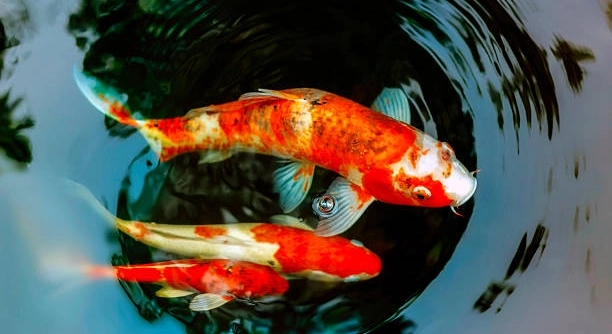
Koi fish are popular pets known for their bright colors and graceful swimming. Many koi owners hope their fish will grow large and healthy over time. Sometimes, however, koi do not reach their expected size despite proper care.
Koi fish might not grow fully due to several factors including poor water quality, inadequate nutrition, overcrowding, stress, disease, genetics, and improper tank or pond conditions. Each of these elements can significantly impact their growth rate and overall health.
Understanding these reasons can help koi owners improve their fish’s environment and care. This article explains the key factors behind koi growth issues to support healthier, larger fish.
Poor Water Quality
Koi fish depend heavily on clean, well-maintained water for proper growth. When water quality is poor, toxins like ammonia and nitrites can build up, which stress the fish and slow their development. In stagnant or dirty water, koi use more energy to survive instead of growing. Water temperature also plays a role; temperatures that are too cold or too warm can disrupt metabolism and stunt growth. Regular water testing and changes are essential to keep these levels safe. Filtration systems help maintain water clarity and remove waste, creating a healthier environment. Even slight imbalances can have a noticeable effect on koi size over time. Proper oxygenation through aeration is another key factor. Without it, koi may struggle to breathe, further affecting their health and growth rate.
Maintaining good water quality requires consistent monitoring and routine cleaning. This is crucial for koi to thrive and grow well.
Checking water parameters weekly and performing partial water changes can significantly improve koi growth and overall wellbeing.
Inadequate Nutrition
Koi require a balanced diet rich in protein, vitamins, and minerals to reach their full size. Feeding low-quality or inappropriate food limits the nutrients they receive, leading to slower growth and weaker immune systems. Overfeeding can also be harmful, causing poor water quality and obesity, both of which affect growth negatively. It’s important to offer food formulated specifically for koi, which supports muscle development and vibrant coloration. Seasonal changes affect dietary needs too; in colder months, koi eat less and grow slower, so adjusting feeding routines is necessary. Supplementing with fresh vegetables or treats occasionally can enhance their diet, but staple food must meet their nutritional requirements. Feeding smaller portions multiple times a day helps avoid wastage and keeps the fish active.
Proper nutrition supports not only growth but also disease resistance and overall vitality.
Consistent, high-quality feeding routines tailored to koi’s needs are essential for optimal growth.
Overcrowding
Too many koi in one pond or tank reduce available space, limiting growth potential. Crowding increases competition for food and oxygen, which can stress fish and stunt their development.
Overcrowding leads to poor water circulation and higher waste levels. This worsens water quality and raises the risk of illness, both harmful to koi growth. When koi are cramped, they may also become aggressive, causing injuries that impact health. Sufficient space allows koi to swim freely and exercise, promoting better muscle development. Ideally, ponds should provide at least 250 gallons of water per adult koi to support healthy growth.
Ensuring enough space for each koi is a simple way to improve their environment and growth. Regularly checking fish density can prevent stress and promote well-being. If needed, consider adding more pond space or reducing the number of fish to help koi grow properly.
Stress and Disease
Stress from poor conditions or handling weakens koi’s immune systems, slowing growth and increasing susceptibility to disease. Illness diverts energy from growth to healing, further stunting development.
Diseases like parasites, bacterial infections, and fungal problems are common in koi kept in suboptimal conditions. Early detection and treatment are critical to minimize damage. Stressors include sudden temperature changes, poor water quality, and overcrowding, which can all trigger health issues. Keeping a clean pond, stable environment, and monitoring fish behavior helps reduce stress and prevent illness. Healthy koi invest more energy in growth and maintain better coloration and vitality.
Proactive care and prompt response to health problems improve koi’s chances of growing fully and living longer. Regular observation allows early intervention to support their health and size.
Genetics
Genetics play a significant role in how large koi fish can grow. Some koi are naturally smaller due to their breed or lineage.
Even with ideal conditions, genetic limits can prevent koi from reaching very large sizes. Understanding this helps set realistic expectations for growth.
Improper Tank or Pond Conditions
Koi need the right environment to thrive. This includes adequate depth, proper filtration, and stable water temperature. Shallow ponds can cause stress and limit swimming space, affecting growth. Filtration keeps the water clean, while stable temperatures support healthy metabolism. Sudden changes in conditions shock koi and slow development. A well-maintained pond that mimics natural conditions promotes better health and growth. Providing shelter and hiding spots reduces stress and allows koi to rest.
Seasonal Changes
Koi growth slows down naturally in colder months due to lower metabolism. They eat less and are less active, which reduces growth until conditions improve.
FAQ
Why is my koi fish not growing despite good care?
Even with attentive care, several factors may limit koi growth. Poor water quality, improper nutrition, or overcrowding can stress fish and stunt development. Genetics also play a role; some koi naturally remain smaller. Disease or stress from environmental changes may reduce growth as energy goes to healing instead of size increase.
How often should I test my pond water?
Testing water weekly is ideal to catch issues early. Regular checks for ammonia, nitrites, nitrates, pH, and temperature ensure a stable environment. Keeping these parameters balanced supports koi health and growth, preventing conditions that slow their development.
What is the best diet for koi growth?
A high-quality commercial koi food with balanced protein, fats, and vitamins is best. Feeding multiple small meals daily encourages proper digestion and energy use. Seasonal changes should adjust feeding amounts—less in cold months, more during warmer periods when koi grow faster.
Can overcrowding really stunt koi growth?
Yes, overcrowding causes competition for food and oxygen, stressing koi and limiting their size. Crowded ponds also have poor water circulation and higher waste levels, which harm growth. Providing enough space per fish is critical to avoid these problems.
How can I reduce stress in my koi pond?
Maintain stable water conditions and avoid sudden temperature or pH changes. Minimize handling, provide hiding places, and keep the pond clean. Reducing stress helps koi focus energy on growth and immune function rather than survival.
Do koi grow faster in warmer water?
Warmer water raises koi metabolism, which can speed growth up to a point. However, too high temperatures cause stress and reduce oxygen levels, which harms growth. Ideal water temperature ranges between 65°F and 75°F for healthy development.
Is it normal for koi growth to slow in winter?
Yes, koi naturally slow down in cold weather. Lower temperatures reduce metabolism and appetite, so growth slows until warmer months return. Adjust feeding accordingly to avoid overfeeding during this time.
How do I know if my koi is healthy?
Healthy koi swim actively, eat well, have bright colors, and show no signs of injury or disease. Regularly observe behavior and appearance for changes like lethargy, spots, or abnormal swimming patterns, which indicate health problems.
Can genetics be changed to get larger koi?
Genetics cannot be changed after fish are bred. Selecting koi from larger strains or breeding specifically for size can improve growth potential in future generations. However, environment and care still heavily influence final size.
What should I do if my koi gets sick?
Isolate the affected fish to prevent spreading illness. Identify the disease type and treat it promptly with appropriate medication or pond management changes. Maintaining good water quality and reducing stress support recovery and future growth.
How much space does one koi need?
Generally, each adult koi requires at least 250 gallons of water. This space supports swimming, reduces waste concentration, and improves oxygen levels. Adequate space prevents stress and promotes healthy growth.
Can feeding too much affect koi growth?
Yes, overfeeding leads to poor water quality and obesity, both harmful to growth. Excess food decomposes in the pond, increasing toxins and stressing fish. Feeding controlled portions multiple times daily avoids this issue and supports steady growth.
Are there signs my koi are not growing properly?
Signs include slow size increase, dull coloration, lethargy, and frequent hiding. Poor appetite or visible illness also indicate problems affecting growth. Monitoring these signs early allows intervention before serious issues develop.
Does pond depth affect koi growth?
Yes, deeper ponds provide more stable temperatures and space for swimming, which encourage growth. Shallow ponds can cause temperature swings and stress, hindering development. A depth of at least 3 feet is recommended for healthy koi growth.
How important is filtration for koi growth?
Filtration is essential to maintain clean water by removing waste and toxins. Good filtration reduces stress and disease risk, allowing koi to use energy for growth rather than fighting poor conditions. Regular filter maintenance ensures optimal function.
Final Thoughts
Koi fish growth depends on several key factors working together. Proper nutrition, good water quality, enough space, and a stress-free environment all play important roles. Even when everything seems right, genetics can limit how large a koi will grow. Understanding these factors helps set realistic expectations for koi size and overall health. It is important to pay attention to each aspect of care rather than focusing on just one, as problems often arise when multiple factors are not balanced.
Maintaining a clean and well-oxygenated pond is vital for koi to grow fully. Regular water testing and filter maintenance keep the environment stable and safe. Overcrowding should be avoided to reduce competition and stress. Providing appropriate shelter and a balanced diet supports health and development throughout the year. Seasonal changes will naturally affect growth rates, especially in colder months when koi become less active. Adjusting care according to these changes can help koi stay healthy and prepare for growth during warmer seasons.
Patience is necessary when caring for koi. Growth does not happen quickly, and setbacks can occur due to illness or environmental issues. Monitoring koi regularly for signs of stress or disease allows for timely intervention and better results. With consistent care and attention to their needs, koi fish have the potential to reach their full size and live healthy lives. Keeping realistic expectations and focusing on long-term health ensures a positive experience for both koi and their keepers.

Hello,
If you enjoy the content that we create, please consider saying a "Thank You!" by leaving a tip.
Every little bit helps us continue crafting quality advice that supports the health, happiness, and well-being of pets around the world, for pets of all shapes, sizes, and species.
We really appreciate the kindness and support that you show us!