
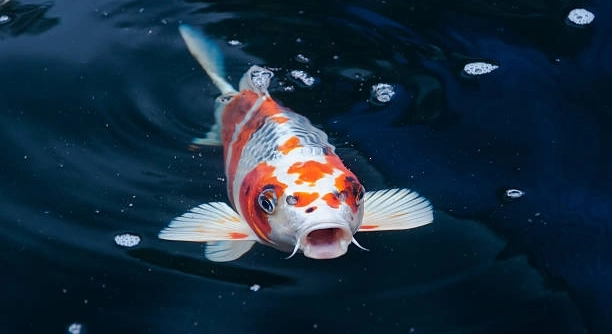
Koi fish are often seen floating quietly in ponds, sometimes motionless for hours. This stillness can seem unusual to observers who expect constant movement from these colorful creatures. Understanding why koi behave this way helps in caring for them properly.
Koi fish may lay still for extended periods due to factors such as resting, conserving energy, adjusting to water temperature, or recovering from stress or illness. This behavior is a natural response to their environment and health conditions.
Recognizing these reasons can improve koi care and ensure their well-being in home ponds and water gardens. The following details will clarify common causes behind their stillness.
Reasons Koi Fish Lay Still for Hours
Koi fish laying still can be due to several natural reasons. One common cause is rest. Just like other animals, koi need to conserve energy, especially during cooler parts of the day or night. When the water temperature drops, koi slow their metabolism and reduce activity to maintain balance. Another reason is digestion. After feeding, koi often rest quietly to properly process their food. Stress or illness can also make koi less active. Poor water quality, changes in environment, or disease can cause koi to stay still as they recover. Observing your koi regularly helps spot changes in behavior early. If koi stay motionless for very long periods or show other symptoms like loss of appetite or discoloration, it is important to check water conditions and consider veterinary advice. Resting behavior is usually normal, but ongoing inactivity should be monitored closely.
This behavior is mostly a survival tactic. Koi fish use stillness to adapt to their environment and conserve energy effectively.
Understanding these factors will help you maintain a healthy pond environment and respond promptly to your koi’s needs. Regular water testing and appropriate feeding schedules also support their well-being.
Environmental Influences on Koi Activity
Water temperature significantly influences koi activity levels. When the water is colder, koi reduce their movements and lay still for longer periods.
Koi are cold-blooded animals, meaning their body temperature depends on the surrounding water. In colder water, their metabolism slows down, leading to decreased energy and less movement. This is a natural response to preserve energy during unfavorable conditions. Seasonal changes can also impact their activity. During winter, koi may enter a state similar to hibernation, remaining mostly still. In warmer months, they tend to be more active and swim frequently. Water quality is equally important. Poor water conditions with low oxygen or high waste levels stress koi, causing lethargy. Ensuring proper filtration, aeration, and regular cleaning supports healthy behavior. By monitoring these environmental factors, koi owners can better understand why their fish might lay still and create a balanced habitat that encourages natural movement and rest.
Health Indicators in Koi Behavior
Koi laying still can sometimes indicate health issues. Watch for signs like abnormal swimming, discoloration, or loss of appetite. These may signal infections, parasites, or poor water quality.
Illness often causes koi to reduce movement to conserve energy. Bacterial infections, fungal growth, or parasites commonly affect koi, leading to lethargy. Poor water conditions can weaken their immune system, making them vulnerable. Regular observation helps detect these signs early. If koi exhibit unusual stillness combined with other symptoms, prompt water testing and treatment are necessary. Veterinarian consultation might be required to diagnose and treat specific diseases. Taking quick action can improve recovery chances and prevent problems from spreading to other fish.
Maintaining good water quality and a clean pond environment is key to preventing health problems. Proper nutrition and stress reduction also support koi’s immune system, helping them stay active and healthy.
Effects of Stress on Koi Fish
Stress is a major factor that can cause koi to remain still for hours. Common stressors include sudden changes in water temperature, overcrowding, or loud noises near the pond.
When stressed, koi tend to become inactive as a protective response. Stress weakens their immune system, increasing susceptibility to illness. Environmental changes, such as new tank mates or relocation, also contribute to stress. Handling koi roughly or poor water quality add to their discomfort. Reducing stress involves maintaining stable water conditions, providing enough space, and minimizing disturbances. Creating a calm pond environment promotes natural behavior and prevents prolonged inactivity. Stress management is essential to keeping koi healthy and active over time.
Rest and Energy Conservation
Koi fish often lay still to rest and conserve energy. This behavior is especially common during cooler temperatures or after feeding.
Resting helps koi maintain their energy balance and supports overall health. It is a normal part of their daily routine and should not cause concern unless prolonged.
Seasonal Behavior Changes
Koi activity varies with the seasons. In colder months, they slow down and remain still for longer periods.
This change is due to their cold-blooded nature, which makes their metabolism depend on water temperature. During winter, koi enter a low-activity state similar to hibernation to survive colder conditions.
Impact of Water Quality on Koi Movement
Poor water quality reduces koi activity. High ammonia or low oxygen levels stress fish and cause lethargy.
Regular water testing and proper filtration keep the pond healthy and koi active. Clean, balanced water prevents many health issues linked to stillness.
Feeding and Koi Stillness
After eating, koi often remain still to digest food properly. This quiet period supports digestion and nutrient absorption.
FAQ
Why does my koi lay still at the bottom of the pond?
Koi often rest at the bottom to conserve energy, especially when water temperatures are low. It can also be a sign they are feeling unwell or stressed. Checking water quality and observing for other symptoms helps determine if this behavior is normal or a warning sign.
Is it normal for koi to be inactive for several hours?
Yes, koi can stay still for hours during rest or colder weather. Prolonged inactivity accompanied by loss of appetite or changes in appearance may indicate health problems and should be investigated.
Can poor water quality cause koi to lay still?
Absolutely. Poor water conditions, like high ammonia, nitrites, or low oxygen, stress koi and reduce their movement. Regular water testing and maintenance are essential to keep koi healthy and active.
How does water temperature affect koi activity?
Koi are cold-blooded, so their metabolism slows in cold water. This causes them to move less and rest more. In warmer water, they become more active and swim frequently.
What are the signs of illness in koi besides laying still?
Other signs include changes in color, visible wounds or spots, rapid breathing, clamped fins, or loss of appetite. If these appear alongside stillness, it’s important to test water and possibly seek veterinary care.
Could stress cause koi to stop swimming?
Yes, stress from overcrowding, sudden changes in environment, or loud noises can cause koi to become inactive. Reducing stressors helps koi regain normal activity levels.
How often should I check water quality to prevent koi inactivity?
Weekly testing of ammonia, nitrite, nitrate, pH, and oxygen levels is recommended. Consistent water quality helps prevent stress and illness that can lead to stillness.
Should I be concerned if my koi lays still after feeding?
No, this is common as koi rest to digest food properly. However, if koi remain inactive long after feeding or refuse food, it might signal health issues.
Can koi recover from illness that causes stillness?
Many koi recover with proper care, including improving water conditions and appropriate treatment. Early detection and action improve chances of full recovery.
Is koi stillness a way to avoid predators?
Laying still can be a defense mechanism to avoid drawing attention. It helps koi blend into their environment and stay safe from threats.
Final thoughts on why koi fish might lay still for hours revolve around understanding their natural behavior and environmental needs. Koi resting quietly is often a normal part of their daily routine, especially during cooler temperatures or after eating. This stillness helps them conserve energy and maintain balance in their metabolism. It is important to recognize that koi, like many other animals, have periods of low activity that support their overall health. Not every moment of stillness indicates a problem. Observing these moments as part of a natural rhythm can help koi owners provide better care and a more comfortable environment.
However, stillness can also be a sign of underlying issues. Poor water quality, illness, or stress can cause koi to remain inactive for extended periods. Regular monitoring of water conditions, including parameters like ammonia, nitrite, nitrate, and oxygen levels, is essential for koi health. Clean and well-maintained ponds reduce stress and help prevent diseases that might make koi lay still. Additionally, changes in koi appearance, behavior, or appetite combined with stillness should prompt further attention. Early detection of problems and timely interventions increase the chances of recovery and reduce risks for the whole pond population. Maintaining a stable and healthy habitat is key to preventing extended inactivity caused by health concerns.
Understanding koi behavior requires patience and attention to detail. By recognizing when stillness is normal and when it might indicate a problem, koi keepers can better support their fish’s well-being. Creating an environment with stable water quality, proper temperature, balanced feeding, and minimal stress helps koi thrive and display natural activity levels. While koi laying still for hours can seem unusual, it is often a harmless and natural behavior. Observing them carefully and responding when necessary ensures koi remain healthy and active, allowing them to live longer and more comfortable lives in their ponds.

Hello,
If you enjoy the content that we create, please consider saying a "Thank You!" by leaving a tip.
Every little bit helps us continue crafting quality advice that supports the health, happiness, and well-being of pets around the world, for pets of all shapes, sizes, and species.
We really appreciate the kindness and support that you show us!