
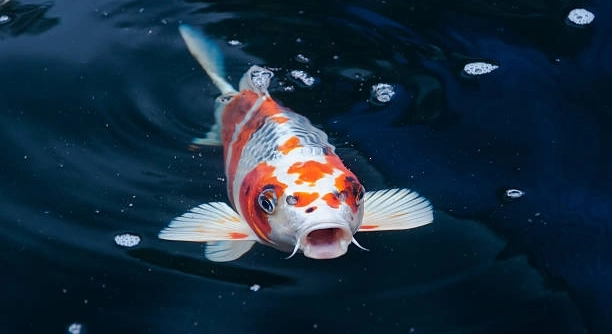
Koi fish are often seen swimming in tight circles in ponds and water gardens. This behavior is common and can be noticed during their daily activity. Understanding why koi swim this way helps clarify their natural instincts and environment.
Koi fish swim in tight circles primarily due to social interaction, territorial behavior, and environmental stimuli. This circular swimming allows them to establish dominance, communicate, or navigate confined spaces while responding to water flow and food availability.
Recognizing these patterns can improve care and management of koi in home ponds. The reasons behind this swimming behavior reveal important aspects of koi biology and their environment.
Social Behavior and Territoriality in Koi
Koi fish are social creatures that interact constantly with others in their pond environment. Swimming in tight circles is often a form of communication or a way to establish social ranking among the group. When koi circle around each other, they may be showing dominance or signaling their presence. This behavior helps maintain order within the group, reducing aggression and conflicts. Territorial koi might also swim in circles to mark their preferred area, especially near food sources or shelter. This swimming pattern is more noticeable in crowded ponds or during feeding times when competition increases. Understanding this behavior allows pond owners to create a balanced environment, minimizing stress and promoting peaceful coexistence among koi. The circles are not random but purposeful movements tied to the koi’s social needs and instincts. Recognizing these signs can help maintain a healthier pond ecosystem for the fish.
Circular swimming supports group dynamics, aiding koi in managing space and hierarchy.
This behavior highlights koi’s natural instincts to communicate and secure their place in the group. By respecting their social structure, pond owners can better meet the needs of their koi population.
Environmental Factors Affecting Swimming Patterns
Water conditions and pond layout strongly influence how koi move. Flowing water currents, temperature, and available space impact their swimming routes. In ponds with strong currents or filters, koi may swim in circles to resist the flow or to find calmer areas. Tight spaces or obstacles can force koi into circular patterns as they navigate the environment. Changes in temperature or oxygen levels can also alter activity, sometimes increasing repetitive swimming behaviors. Lighting conditions and feeding schedules affect koi movement too, with more active swimming around feeding times. Pond design that includes open areas, hiding spots, and gentle water flow helps reduce continuous circular swimming by giving koi freedom to explore varied spaces. Proper maintenance of water quality and habitat design supports natural behavior and reduces stress-related repetitive swimming.
Water flow and pond structure guide koi swimming, shaping their movement patterns.
Careful pond management, including controlling water flow and space, encourages diverse swimming behavior and improves koi well-being. Adjusting these factors can create a more natural, comfortable environment.
Health and Stress Indicators
Swimming in tight circles can sometimes indicate stress or health issues in koi. Changes in behavior, such as persistent circling, might signal discomfort or illness. Monitoring these patterns helps detect problems early, allowing timely care.
Stressors like poor water quality, overcrowding, or parasites often cause abnormal swimming. Koi may circle repeatedly if they feel threatened or uneasy. This behavior can also indicate neurological problems or infections affecting balance and coordination. It is important to regularly check water parameters and watch for other symptoms like loss of appetite or discoloration. Early intervention improves chances of recovery and prevents worsening conditions. Keeping the pond clean and providing sufficient space reduces stress and supports healthy swimming behavior.
Observing koi behavior closely offers insight into their well-being. Addressing environmental or health factors promptly ensures koi remain active and comfortable in their habitat. Regular health checks combined with proper pond care create an environment where koi thrive naturally, avoiding stress-induced swimming patterns.
Feeding Behavior and Circling
Koi often swim in circles around feeding times as part of their natural response to food presence. This behavior helps them compete and locate food efficiently.
When koi detect food, they become more active and swim in tight circles to position themselves near the source. This movement allows them to claim feeding spots and prevents others from accessing the same area easily. Feeding schedules influence how frequently this circling occurs, with more intense activity during predictable meal times. Providing multiple feeding areas or spreading food evenly reduces competition and excessive circling. Offering appropriate food portions helps prevent aggressive behavior tied to hunger. Recognizing feeding-related swimming patterns helps manage koi behavior and ensures a peaceful feeding environment.
Adjusting feeding methods can promote calmer swimming and reduce territorial disputes, contributing to overall pond harmony. Managing koi feeding properly supports their health and natural instincts without causing unnecessary stress or conflict.
Water Quality and Its Impact
Poor water quality can cause koi to swim in tight circles as a response to discomfort. High ammonia or nitrite levels irritate their gills and skin.
Maintaining proper pH, oxygen, and cleanliness is essential. Regular testing and water changes help keep conditions stable and reduce stress-related swimming behaviors.
Social Group Dynamics
Koi adjust their swimming based on the size and behavior of the group. In larger groups, tight circling may increase to maintain social bonds or avoid conflict.
Understanding group size effects helps create balanced environments that minimize stress and promote peaceful interactions.
Exercise and Play
Circling can be a natural form of exercise or play for koi, helping them stay active and healthy.
Encouraging varied pond environments supports this behavior positively.
FAQ
Why do koi fish swim in tight circles instead of straight lines?
Koi swim in tight circles mainly for social reasons and environmental responses. Circling helps establish dominance within the group or mark territory. It also assists them in navigating the pond, especially if water currents or pond structure influence their movement. This behavior is instinctual and helps koi communicate with one another.
Is tight circling a sign of illness in koi fish?
Not always, but persistent circling can indicate health problems such as infections or neurological issues. If circling is accompanied by other symptoms like loss of appetite, discoloration, or lethargy, it may be a sign of stress or disease. Monitoring water quality and observing overall behavior is essential to detect health concerns early.
Can tight circling be caused by poor water conditions?
Yes, poor water quality often leads to stress in koi, which can cause repetitive swimming patterns like circling. High ammonia, nitrites, or low oxygen levels irritate koi and disrupt their natural behavior. Regular water testing and maintenance help prevent these conditions and promote healthy swimming.
Does the size of the pond affect how koi swim?
Pond size impacts koi swimming patterns significantly. In smaller ponds, koi have limited space, which may force them into circular swimming. Larger ponds allow more freedom, reducing repetitive movements. Proper pond design with ample space encourages more natural swimming behavior.
How does feeding influence koi swimming in circles?
Koi tend to swim in circles around feeding times to compete and position themselves near food. This behavior ensures they get access to food and marks feeding territory. Spreading food evenly or offering multiple feeding spots helps reduce aggressive circling and stress.
Can tight circling be a form of exercise for koi?
Yes, circling can serve as natural exercise and play. It keeps koi active and healthy by encouraging movement. Providing a varied environment with enough space supports this behavior positively without causing harm.
What role does social hierarchy play in circling behavior?
Social hierarchy is key in koi groups. Circling helps koi display dominance or submission, reducing direct aggression. This organized interaction maintains peace in the pond by clarifying roles and boundaries among fish.
How can pond owners reduce excessive circling behavior?
Owners can reduce circling by improving water quality, increasing pond size, and managing feeding routines. Adding hiding spots and calming water flow also helps. Reducing stressors and providing a balanced environment encourages koi to swim naturally without repetitive patterns.
Are there any signs to watch for that indicate circling is problematic?
Yes, if circling is constant, frantic, or paired with other signs like rubbing against surfaces, loss of appetite, or discoloration, it suggests a problem. These behaviors warrant immediate attention to water conditions or health evaluation.
Is circling behavior the same in all koi fish?
While most koi display circling to some degree, individual behavior can vary based on personality, health, and environment. Some koi may circle more frequently due to dominance or stress, while others swim calmly without repetitive motions. Recognizing individual differences helps tailor care effectively.
Does water temperature affect circling?
Temperature affects koi activity levels. In warmer water, koi are more active and may circle more during feeding or social interaction. Cold water slows their metabolism, reducing movement. Maintaining a stable temperature range supports healthy behavior.
Can circling behavior cause physical harm to koi?
Generally, circling does not cause harm if it is part of natural behavior. However, excessive or frantic circling due to stress or illness may lead to injury or exhaustion. Monitoring behavior helps prevent potential problems and ensures koi well-being.
Final Thoughts
Koi fish swimming in tight circles is a behavior that can have multiple explanations. It is often part of their natural instincts related to social interaction, feeding, or exploring their environment. This circling can help koi establish their position within the group or compete for food. It also serves as a way to stay active and healthy. Observing this behavior can provide insight into how the koi interact with each other and respond to their surroundings.
At the same time, tight circling can sometimes be a sign of underlying problems. Poor water quality, stress, or illness may cause koi to swim in repetitive patterns as a reaction to discomfort. When this happens, it is important to pay attention to other signs like changes in appetite, color, or energy levels. Regular pond maintenance, including water testing and cleaning, plays a crucial role in preventing conditions that lead to stress and unusual behavior. Providing enough space and avoiding overcrowding also helps keep koi comfortable and reduces the chance of excessive circling.
In summary, tight circling in koi fish is not always a cause for concern but should be monitored carefully. Understanding the reasons behind this behavior allows pond owners to respond appropriately, ensuring the fish remain healthy and stress-free. Maintaining good pond conditions and providing a balanced environment supports natural koi behavior. This knowledge helps keep koi active, comfortable, and thriving in their habitat over time.

Hello,
If you enjoy the content that we create, please consider saying a "Thank You!" by leaving a tip.
Every little bit helps us continue crafting quality advice that supports the health, happiness, and well-being of pets around the world, for pets of all shapes, sizes, and species.
We really appreciate the kindness and support that you show us!